Richard Collins: Species doing their best to put up with us
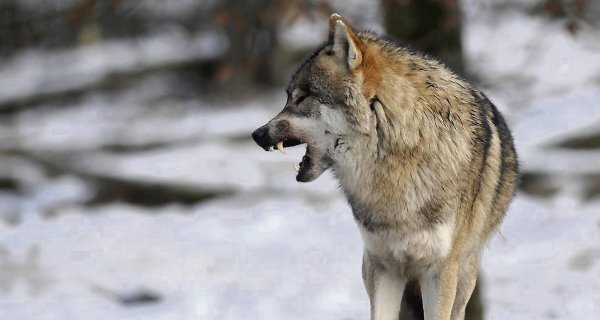
We are the neighbours from Hell, as far as wild creatures are concerned, writes
Our offences are legion; habitat destruction, climate change, plastic debris strewn everywhere, relentless harassment and disturbance. Artificial light turns night into day.
Underwater noise makes life unbearable for whales.
Are we a disease of the planet?
But not all species are taking the onslaught ‘lying down’. ‘If you can’t beat them, join them’ is one option; swallows and swifts led that charge, abandoning their traditional cliff ledges to nest in buildings.
Likewise, some pine martens raise their young in the attics of occupied houses. ‘Seagulls’ follow the plough, scavenge on town dumps and nest on city roofs.
Dublin was colonised by magpies. In 1983, Brendan Kavanagh recorded 29 breeding pairs per square-kilometre there, the highest density found in any city.
But the new urbanites are not just scavenging gulls and crows.
The world’s fastest creature, the peregrine, nests on tower blocks and church steeples, while living off another city dweller, the street pigeon.
Foxes have become established citizens and I encountered a badger in the leafy suburbs last month. Leopards prowl Indian cities at night.
They have a penchant for the flesh of stray dogs but know better than to harm people.
According to reports from the European Wilderness Society (EWS) and the French National Hunting and Wildlife Office (ONCFS), other elusive species, although still avoiding built-up areas, are reaching an accommodation with us.
Should we always try to solve conflicts, or should we try to coexist with a certain conflict level? Read more about this interesting vision. https://t.co/2sKgXxx6nx pic.twitter.com/5W6XzERMKV
— European Wilderness (@EUWilderness) January 18, 2019
The EWS say that beavers have returned to the northeast of Italy after an absence of five centuries.
A camera trap, set by scientists studying otters, has recorded a male, the first documented sighting of the species since 1471.
In medieval times, Europe’s largest rodent was found, not only in Italy, but throughout much of the continent.
Its flesh was eaten, clothes were made from its fur and aromatic oil, thought to have medicinal properties, was extracted from the scent glands.
Hunting pressure became so relentless that beavers managed to survive only in remote locations of Scandinavia, eastern Germany and Russia.
Helped by strategic reintroductions during the 20th Century, numbers have increased in Central and Eastern Europe.
The species is recovering in France and Britain.
There is no evidence that beavers were ever in Ireland.
Aristotle wrote that jackals are friendly towards people, but these wild dogs were hated.
Persecuted outcasts, they survived only in the Balkans.
Slovenia was colonised during the 1950s, Bulgaria in the early 1960s.
Stragglers visited Austria Hungary and Italy during the 1980s.
The golden jackal is now a protected species throughout the EU.
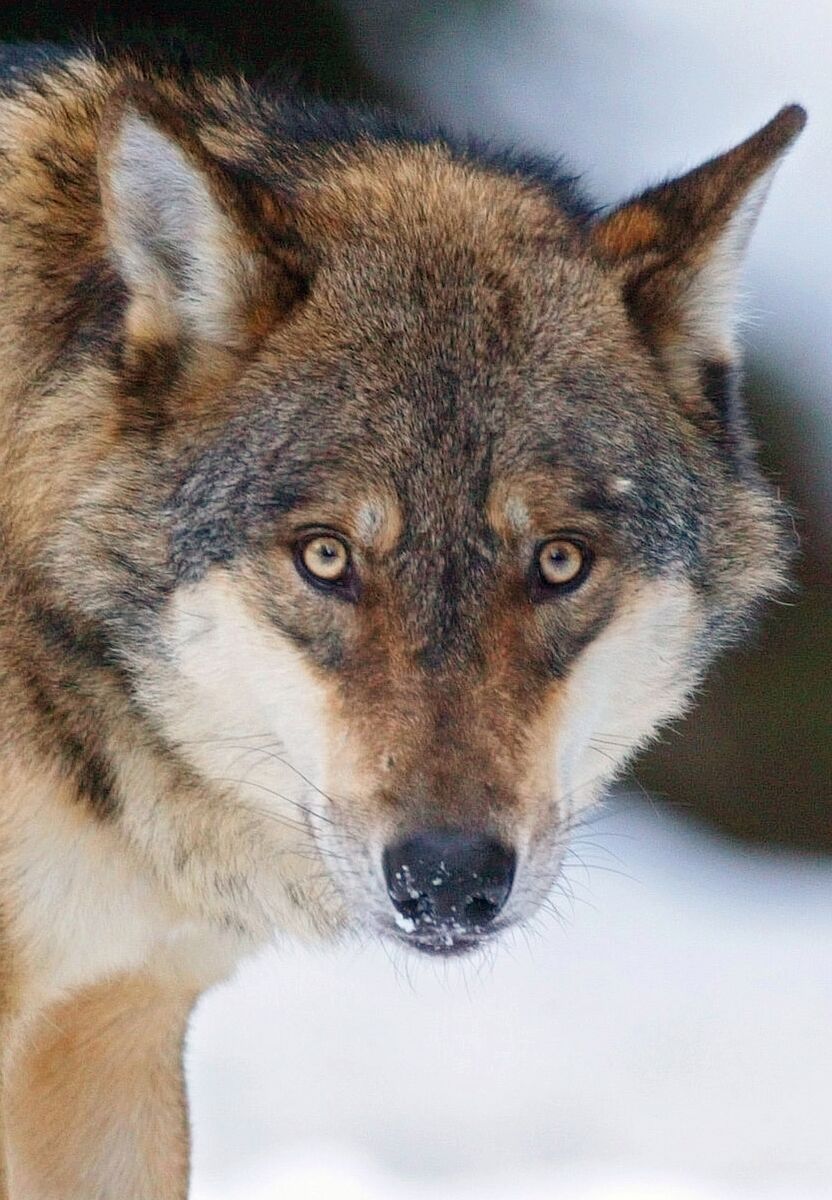
Meanwhile the ONCFS claims that the wolf population has reached ‘demographic viability’ in France. Exterminated during the 1930s, the species was absent from France for half a century.
Then, in 1993, a pair crossed the Alps from Italy and settled in the Mercantour National Park. There are now over 500 wolves in 72 French packs. However, not all experts agree that the species is no longer at risk. Farmers, fearful for their livestock, want these predators gone.
Experience elsewhere in Europe has been similar. Wolves crossed from Poland into Germany, where pups were born in 2000. There are now at least 14 German packs.
A pair has bred in Denmark and there have been sightings in the Netherlands. Were they able to cross the sea, wolves would surely be back in Ireland by now.
The last Irish one is said to have been shot in 1786.

CONNECT WITH US TODAY



Be the first to know the latest news and updates