When branching out can be good for survival
We ‘fish’ for fish but we don’t ‘deer’ for deer or ‘rabbit’ for rabbits, says marine biologist Helen Scales in Eye of the Shoal, a Fishwatchers Guide to Life the Ocean and Everything, her latest book.
‘Brexit’, and its offspring ‘brexiteer’, are more recent constructs. Can the verb ‘to brexit’ be far behind? Lovers ‘brexit’ romantic relationships, politicians turn their backs on former colleagues while businessmen desert partnerships to ‘go it alone’. Though not in the Judas Iscariot league, the term carries a whiff of betrayal: ‘Thy sting is not so sharp, as friend remembered not.’ Palaeontologists, might embrace the new verb; ‘brexiting’ goes back a very long way. All creatures, great and small, are products of it.
Sea-squirts, soft-bodied whitish animals up to 13cm long, attach themselves to rocks on Irish shores. The tadpole-like larvae of an ancestor developed a primordial backbone 570 million years ago. The first fish may have evolved from these proto-vertebrates.
Some 30,000 fish species are alive today, more than the combined total of amphibians, reptiles, mammals and birds. Fish exhibit almost every major adaptation found among the other vertebrates. They outdo birds in the profusion of their colours. Eels and salmon make extraordinary journeys in the murky ocean depths. Sharks detect the tiny electric fields generated by the muscles of their prey. Cleaner fish enter the mouths of fearsome predators. ‘Intelligent’ ones use stones to smash open the shells of molluscs. Others hunt cooperatively, even across the species divide.
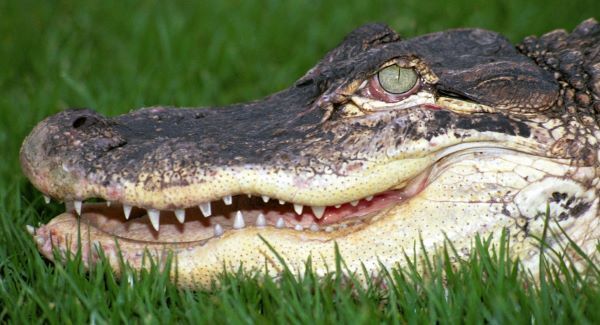
Electric ‘eels’, which aren’t actually eels, can deliver painful shocks. Some fish even fly. Around 400 million years ago, ‘amphi-brexit’ took place. Fins developed into legs suitable for walking along the bottoms of shallow seas. Footprints imprinted on rocks at Valentia Island were made by these ‘tetrapods’, the early amphibians. Their descendants, the frogs and toads, have been moderately successful, at least until now; of the 4,000 surviving species, 1,400 are considered ‘threatened’. Amphibians, lacking water-proof skins, are constrained by their aquatic origins. They must lay their eggs in water. About 312 million years ago, some of them developed scales and began laying hard-shelled eggs so that they could live full-time on land. ‘Rept-exit’ has been a spectacular success; some 10,200 reptile species, including snakes turtles and crocodilians, are alive today.
But ‘brexiting’ is always risky; prodigal sons seldom prosper. Even that spectacularly successful branch of the reptiles, the dinosaurs, came to grief in a freak cosmic accident. Contrary to popular belief, however, the giant reptiles are not actually extinct. Thanks to ‘bird-exit’, their descendents are all around us; feather-covered reptiles had split from their giant relatives some 80 million years before the fateful meteorite struck. Thanks to a warm-blooded clause in their ‘brexit’ deal, birds survived the great catastrophe.
The first true mammals were little shrew-like creatures which lived a quiet, mainly nocturnal, life about 160 million years ago. Being warm-blooded, they prospered once the dinosaurs were gone. A succession of further ‘brexits’ among their descendants led on to the primates, then to the monkeys, the great apes, the early hominids, and us. Bird-watching is universally popular, yet birds are not on our ancestral line. Fish are. Helen Scales seeks ‘parity of esteem’ for our aquatic forebears. Her fascinating book, packed with colourful facts and anecdotes, does them justice. Despite all that ‘brexiteering’, we humans are still just precocious fishes.
- Eye of the Shoal, a Fishwatchers Guide to Life, the Ocean and Everything by Helen Scales (Bloomsbury Sigma £16.99).

CONNECT WITH US TODAY



Be the first to know the latest news and updates