Birds of a feather often get drunk together
Were gulls victims of the recent heatwave? According to the Plymouth Herald, firemen were called to a sick one stuck on a roof.
By the time they arrived, the bird had fallen to the ground and was ‘sitting, shaking its head’. Botulism is the main suspect in cases of disorientated gulls, particularly in warm weather, but the culprit wasn’t the notorious toxin; the victim was drunk and ‘reeking of beer’.
Unable to stand, it vomited on one of the rescuers. Having emptied its stomach, the patient perked up and flew off.
There were at least 30 such cases in Devon and Dorset during the hot weather. But what made the gulls turn to drink? Had they consumed beer in debris left on beaches by drinking parties? The RSPCA thinks not.
The victims regurgitated a ‘pulpy brown substance’, identified as a bi-product of the brewing process. It’s no wonder they smelled of beer. Breweries are being asked to ensure that birds can’t get access to this waste.
We humans are to blame for drunkenness in gulls. Vervet monkeys in the Caribbean are other such victims; they get high on fermented sugar cane.
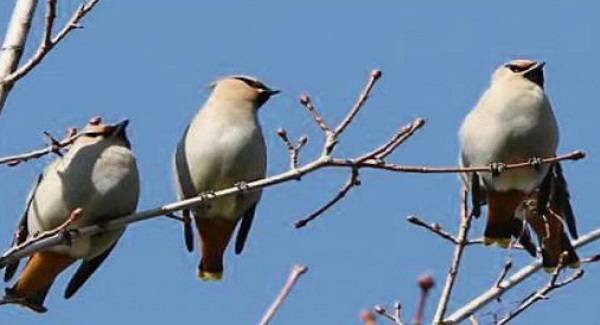
But intoxication is also a ‘natural’ phenomenon; wild creatures sometimes get drunk without our help. Waxwings, the glamorous little Scandinavian birds that visit Ireland in winter, will gorge themselves on fermented berries, become intoxicated, and crash into buildings.
A drunken elk, which became stuck up a tree in Sweden two years ago, featured in TV reports around the world. It had eaten fermenting apples.
Elk, the largest land animals in Europe, cause road accidents in Scandinavia. Having gorged themselves on alcohol-rich fruit under the snow, they stagger onto roads.
Drunken pilots would present an even greater hazard; intoxicated fruit bats in Egypt crash into obstacles. Their cousins in South America, however, are able ‘to hold their liquor’. With blood alcohol levels several times higher than the legal limit for human drivers, they can still echolocate safely.
There is an incentive to develop resistance to the drug; a drunkard can’t hunt and is a sitting duck for predators. Some plants and animals even turn alcohol to their advantage.
Creatures able to cope with the drug’s ill-effects can consume fermented foods, which those without this immunity must avoid. German researchers have studied nectar-feeding tree-shrews, which have this ability.
Nectar can ferment. In the rainforests of Western Malaysia, the flower buds of the bertam palm contain fermenting yeast species, some of them new to science.
With the highest alcohol concentration yet found in a natural food, the plants offer nectar to tree-shrews, which become pollinators, moving from plant to plant just as bumblebees do in Ireland.
Creatures feeding on the nectar, you might expect, would soon become addicted, but the researchers found at least seven nectar-consuming tree-shrew species which don’t.
The concentrations of alcohol-derived substances in shrew hair samples were higher than those found in heavy-drinking people. The animals can swallow enough alcohol to make a person drunk, without showing signs of inebriation.
The researchers don’t know how the shrews ‘mitigate the risk of continuous high blood alcohol concentrations, but these mammals and their nectar-offering host plants have co-evolved a relationship to their mutual advantage’.
The nectar can only be eaten by alcohol-resistant shrews. It’s a food reserved for them, while pollen isn’t wasted by being dispersed to other plant species.
Frank Wiens et al. Chronic intake of fermented floral nectar by wild tree shrews. Proceeding of the National Academy of Sciences. 2016.
CONNECT WITH US TODAY



Be the first to know the latest news and updates