Donal Hickey: Sluggish? Not this snail
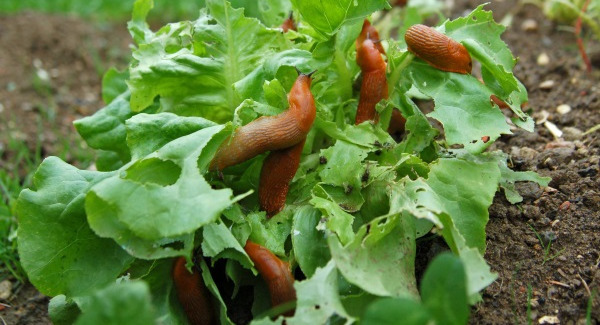
Can you imagine how long it would take a slug, or a snail, to crawl 200km? In space travel parlance, it would take millions of light years. Unless it hitched a lift.
Scientists are trying to work out how the protected Kerry slug got from its habitat at Cascade Wood, near Ballyvourney, Co Cork, to a wooded area in Co Galway.
It had been believed that the slug was found only in West Cork and Kerry and in remote areas of Spain and Portugal.
Until a decade ago, this slug lived a quiet life, but found itself in the headlines amid claims its presence in a special area of conservation (SAC) was holding up progress on the Macroom bypass, which also takes in Ballyvourney.
There was talk of rerouting a section of the bypass, resulting in protests from politicians, like Danny Healy-Rae, who proposed the slug be moved to another area and the bypass proceed as planned.
Latest research published by the Royal Irish Academy looks at how the slug got to a conifer plantation, Cloosh Forest, in Co Galway, 200kms away.
The slug is found in sandstone and rock outcrops in woodland, or in boulders in blanket bog. It doesn’t like limestone and is most unlikely to have crawled all the way northwards across a great deal of limestone land.
According to the research group, based largely in UCG, it is most likely the spotted, medium-sized slug was brought there by people during forestry operations.
In the 1970s, young trees were transported from a nursery, not far from the Ballyvourney site, while the slug could also have travelled on wooden pallets used to bring fertiliser bags from the south-west to Co Galway, during planting and harvesting.
Writing in the academy’s journal, ‘Biology and Environment’, the researchers caution that, while slugs are often spread through horticultural operations, “none of the above pathways can be substantiated without future research”.
Ireland has a pivotal role in protecting the slug and its habitat, given its global rarity. Its presence in conifer plantations could result in restrictions to commercial forestry practices.
The research team included Dr Rory McDonnell, of UCG, who has described the slug as an internationally important invertebrate.
There are seven SACs dedicated to the slug in Cork and Kerry. The Galway slug is the same genetically as that in Ballyvourney.
Meanwhile, Cork County Council is to seek tenders for the 22km bypass, later this summer, with work due to start late next year or in early 2020.
And, moving the slug from Ballyvourney to another compatible area will be part of the bypass process.

CONNECT WITH US TODAY



Be the first to know the latest news and updates