Chef de Cabinet: How designer Martin Horgan swapped the kitchen for the workshop
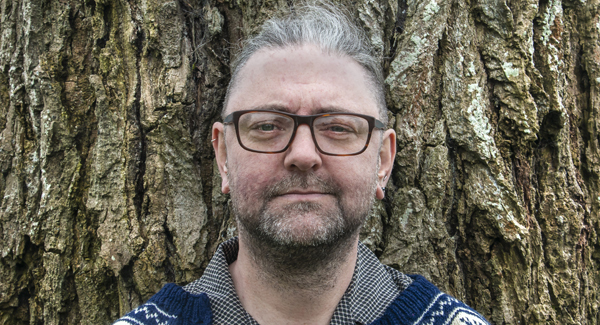
What’s your background?
I grew up in Kinsale, and I ended up in the kitchen on summer jobs.
I did a chef’s course in the RTC [now CIT], and, after a year or two in Kinsale, moved to the States.
I burnt out of cooking when I was around 30. My girlfriend at the time got me a night class in woodworking, and I fell in love with it.
My dad was getting older, so I moved back to Ireland in 2003, and did a two-year course at Coláiste Stiofáin Naofa. It was amazing.
I started a bachelor’s degree in Bucks New University, just outside London. In second year, I had an exchange programme with HDK Steneby, a small craft school in Sweden, and almost instantly transferred to Sweden.
There was a lot of emphasis on the design process and how it works. Up until then it had been more about making furniture than designing.
I did two years there to finish my degree. Then I was back in Ireland, working as a cabinet-maker. It was right at the collapse when I came back.
I was trying to start my own company, but I was also working part-time. I worked for a designer in London for a while, Gareth Neal. Then I went back to Sweden to do a masters in the same school.
Craftek began in Cork in 2016, that’s the product brand name for my work and some friends as well.
It’s meant to be not just me but other designers along the way.
.
What’s a typical workday like for you?
Morning is computer work: emailing, drawings; website; admin; modelling, and some 3-D printing.
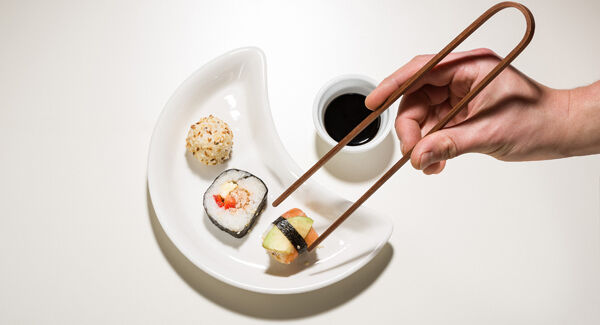
#wutong and #sushi at #showcaseirand pic.twitter.com/FlRJbsaHae
— CRAFTEK (@Craftek_co) January 24, 2016
Then I try to get into the workshop to get my hands dirty, as a reward for doing the paperwork.
Tell us about a recent project or design you have worked on?
I am involved with Benchspace Cork. It’s a shared workspace for woodworkers — to help beginner makers, graduates, or small companies get up on their feet.
In the evenings there are night classes in basic woodworking or machines. We hope to add a FabLab, (fabrication laboratory), and metal workshop and ceramic workshop etc — a whole hub of making to reinvigorate all the different skills and materials together in the one building.
I’ve spent quite a bit of time working on that in the last six months or so.
What’s your design style?
If it was one word, it would be Modernist. That would cover the majority of how I think and work.
What/Who inspires your work?
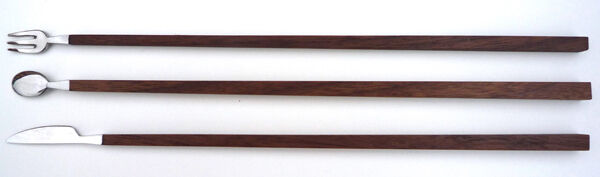
Everyday things: like with the Cork Boy range, for example, hating the plastic spatula inspired me to make the wooden spatula, or seeing a wooden butter knife in Sweden inspired me to make my butter knife.
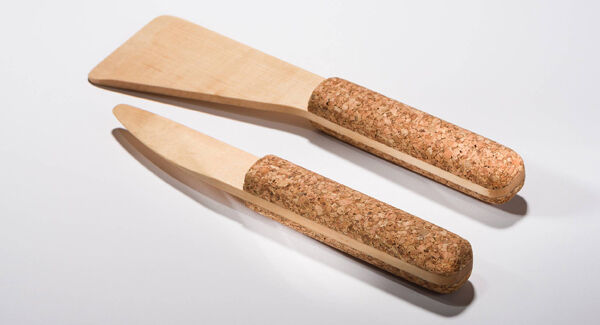
I guess it comes from my cooking as well. I want to get away from the plastic and the disposable.
What’s your favourite trend at the moment (if you have any)?
There’s a trend towards crafts and material again and a trend away from plastic — those trends are amazing. The Maker Movement may be the Arts and Crafts Movement of the 21st century.
What’s your most treasured possession?
The most important thing would be my PC. There’s so many hours of work in it that haven’t been realised. It’s essential. It has my pictures, music, films, drawings and notes.
Who would be your favourite designer, or style inspiration?
My hero would be Gerrit Rietveld, the Dutch furniture designer and architect.
What would be a dream project for you to work on?
My own house in the countryside – I have ideas for it, but not on paper yet.
Have you any design tips for us?
Design is basically problem-solving, so the first thing is to identify the problems or what you need. Keep it simple and keep it fun. Use natural materials and local would be good.
There is a lot of research and testing, sketching and generating the ideas at the very start. That would be the hardest part, and then it’s testing and model-making and prototyping and then the final piece. It’s a long process but you’ve got to do all the steps.
martinhorgan.com; craftek.co
@Craftek_co
@craftek, @martinhorgandesigns
@craftek, @martinhorgan
CONNECT WITH US TODAY



Be the first to know the latest news and updates