Donald Hickey: A life of fishing on Shannon
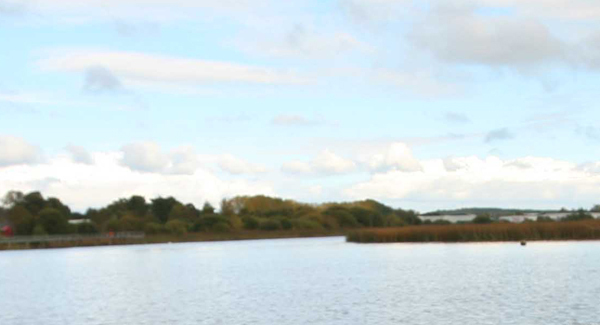
“ALL before me have been boatmen and fishermen, so it’s heritage really.” The words of Harry Blackwell whose family have been pilots guiding ships up the River Shannon and traditional salmon fishermen in Limerick for generations. They were also farmers on Greenish Island.

Donald Hickey: A life of fishing on Shannon

“ALL before me have been boatmen and fishermen, so it’s heritage really.” The words of Harry Blackwell whose family have been pilots guiding ships up the River Shannon and traditional salmon fishermen in Limerick for generations. They were also farmers on Greenish Island.

The stories of such families who earned their living from fishing, mainly salmon, in the Shannon from the city to the estuary have been captured in a new film, The Estuary.

They were the sort of people who didn’t keep records, but their stories have been handed on orally. In 2006, due to falling salmon stocks and conservation policies, the government bought the licences from the majority of the fishermen and it became illegal to use a net on the river.

There were four distinct groupings of fishermen. Research carried out is timely as it involves many people, now pushing on in years, who can still remember.

And it’s not all soft sentiment because the “good auld days” weren’t all that good. In fact, times were harsh and money earned from the tough work of fishing was needed to put food on the table and to provide basics for families.

“There were also a lot of problems with arthritis because of wettings, which were an inevitable part of fishermen’s work,” Harry Blackwell noted.

They used flat-bottomed boats called gandalows

which, Harry believes, is slang for gondola, also flat-bottomed and found in Venice canals

. He says lots of gandalows once operated from Limerick to the Cashen, near Ballybunion, but only two remain.

“These boats were specially built for the mudflats and were perfectly designed to slide along the mud,” he said.

The traditional skill of reed-cutting, also practiced along the estuary by some of the fishermen, has also been included in the film.

A way of life was disrupted by the development of the hydro-electric scheme, at Ardnacrusha, in the late 1920’s. This huge scheme altered the flow of the Shannon and changes in the flow also changed the way fish behaved.

For example, the Strand fishermen, who lived near Clancy Strand

(formerly North Strand),

fished from the city to the estuary before the building of the power station. After that, they joined the Coonagh and Newtown fishermen fishing from Barrington’s Pier to Scattery Island.

The Strand fishermen worked seasonally for salmon and took on other jobs in the off-season while still fishing for pollock and eels.

The film, which has been funded under the Creative Ireland programme, grew out of another project by Limerick City and County Council in conjunction with Mary Immaculate College which captured the oral histories of the Shannon fishermen and reed-cutters.

Jacqui Hayes, archivist with Limerick City and County Council, described the short documentary as a record of a traditional way of life that’s in real danger of being forgotten. It can be viewed on Limerick.ie

More in this section

Revoiced

Newsletter

Sign up to the best reads of the week from irishexaminer.com selected just for you.

Cookie Policy Privacy Policy Brand Safety FAQ Help Contact Us Terms and Conditions

© Examiner Echo Group Limited