Halloween unjustly demonises the harmless bat
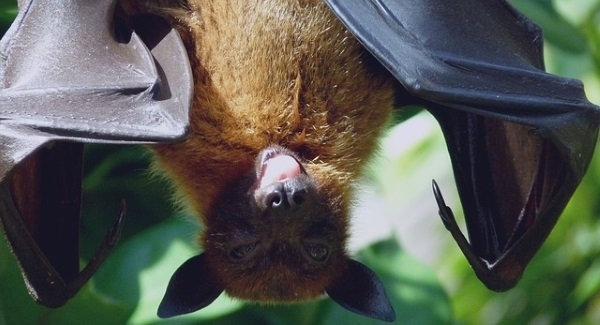
Bats are harmless and unjustly demonised; they are not vampires that suck human blood and they do not stick in people’s hair. And they are not blind.
Bat Conservation Ireland has created a new website for primary school children and their teachers, and it is being launched in time for Hallowe’en.
As children create bat decorations for their homes and the classroom, the aim is to share accurate bat facts and to dispel myths.
We have nine bat species in Ireland; some are fairly common, others are rarer and restricted to certain parts of the country. All of them eat insects and have an important role in our ecosystem. We would be eaten alive by midges but for bats: a single bat can consume 3,500 midges on a summer night!
Teachers can find it difficult to get information about Irish bats to share with their pupils, and Dr Niamh Roche, of Bat Conservation Ireland, says the aim is to create an easy-to-navigate website that can be used for lessons at primary level, or perhaps in association with a school’s Green Flag for Biodiversity.
“The fact is that, in Ireland, most bats are beginning a long winter of hibernation during October, and bats do this because they don’t have enough insect food to eat to stay active over the winter,’’ she says. ‘’Bats are not, usually, out and about flying around at Hallowe’en, unless the evening is unseasonably warm.’’ Some bats roost in attics, and under bridges, basements and in sheds. Bats also use tree holes and caves for roosting.
When roosting, bats do not bring in nesting material, do not chew on cabling or insulation, and will not make holes for entry. Bats do not normally enter human living spaces, except by accident.
Bats and their roosts are protected by Irish and EU wildlife laws, which make it an offence to interfere with their breeding or resting places.
The website, www.learnaboutbats.com, includes beautiful images from children’s author and illustrator, Marie-Louise Fitzpatrick, and photographs by Paul van Hoof.
It centres around a number of ‘Bat Fact’ pages, each of which addresses a specific topic, such as ‘Irish Bats’, ‘Are Bats Blind?’ or ‘Are Bats Good or Bad?’
These bat fact-pages also have downloadable worksheets for follow-on work in the classroom and ideas for arts-and-crafts projects.

CONNECT WITH US TODAY



Be the first to know the latest news and updates