Small is beautiful with a herb garden
Valerie O’Connor enthuses on the many advantages of having your own herb garden, be it little or large.

Small is beautiful with a herb garden

It’s a giddy time of year when it comes to food jumping out of the ground. It’s said that the majority of vegans and vegetarians live in cities and buy their fresh food from the shop. However, if you fancy yourself as a bit of an activist and want to save the world, then standing in a queue to pay for imported produce from unknown sources is not the ideal way to fly your veggie flag.

The biggest revolutionary statement you can ever make is to grow your own food, even a little. A few weeks ago I got myself out of a hissy-fit by planting my vegetable patch, a gift from the gardener who already knows that one way to keep me quiet is to give me a big load of muck and a dibber and a few seeds, a bit like a three-year old really.

Effort pays off quickly, especially when all the work of preparing the soil was done for me and I just had to rock up with seeds and a few labels and water the stuff.

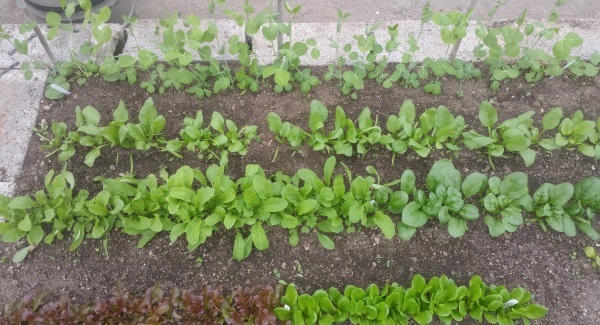
Still, satisfaction is guaranteed when, just a few weeks later, there is an abundance of free food there for the nibbling. Now is a good time to plant your salad greens. Once the seeds are in and covered with soil, water them in well and keep and eye on them.

Once your seedlings are up, thin them by going through them and gently pulling up every second plant, this allows enough room for the stronger ones to grow and get the space they need.

Greens from the salad beds can make the basis for a tasty meal.

I planted a variety of green goodies; rocket — so called as it grows at lightning speed, namenia — don’t bother, it has hardly any flavour; spinach — two varieties and it’s great as you can eat it as a baby and as a grown up. I also planted a few types of lettuce and left space for mizuna and mustard greens, which no salad plate should be without.

Along the sides of the bed went two types of broad beans and peas with some mangetout. The next few weeks will see the courgettes, aubergines and other summer goodies come through and tomato seedlings are busy pushing through in time for planting. From French beans, runner beans, potatoes, sweet potatoes and fruits, there are so many amazing things to plant, it’s just too exciting.

A herb garden is a must for anyone who likes to cook at home, from using freshly cut herbs in teas to making your own pesto from amazing, fragrant basil, the rewards are delicious and too many to mention. So what to plant now to give yourself a great herb garden that’s easy to manage and keeps on giving?

Chamomile is a hardy perennial with pretty white and yellow flowers and is famous for its relaxing properties. If you ever have trouble sleeping, a hot cup of this herb brewed for just a few minutes will have you in the land of nod in no time.

Mint is amazing in Middle Eastern food and gives a real burst of lightness to many dishes from meatballs to couscous, as well as being great as a refreshing tea that helps with digestion after a heavy meal. It has also been credited with lifting mood and helping with weight loss.

Thyme is another perennial that’s great with a roast dinner, lovely with crispy potatoes and veg and perfect mixed through carrots. Thyme is often used in cough syrups and is great to heal a sore throat.

Sage is delicious when you just fry the leaves in butter and toss them with some pasta like linguine, it also goes great with fish.

Sage tea is said to aid in the treatment of sore throat, digestive problems, such as diarrhea, bloating, and heartburn, painful menstrual periods, depression, insomnia, memory loss, cold sores, and has been credited with reducing hot flushes in women dealing with menopause.

Due to sage’s effects, be careful not to drink too much — one mug a day is enough.

Rosemary, as I talked about last week, is great in the kitchen and great to boost memory too, it grows happily alongside all these other herbs. Chives are not only pretty but so tasty when sprinkled on yummy scrambled eggs for breakfast. Greenfly and aphids hate them, so plant these guys close to your favourite plants that usually get eaten alive.

Chives take no minding at all and come back year after year, you can mix them into your flower beds too, herbs usually have flowers of their own and don’t need to be segregated away from other plants, though its handy to have them just outside the kitchen.

Feverfew is a leaf like no other and tastes so bitter that it’s unappealing to some, but bitter herbs are great for stimulating our digestion and our liver loves them. It is said to be a great headache-reliever and to mask the taste, some people eat the leaves in a sandwich. Plant calendula or marigolds for their beautiful flowers, and eat the flowers in salads or on cakes. This herb is widely used in natural nappy creams and to reduce inflammation.

Much-loved herbs like basil and coriander are better off indoors as they come from hot climates. If you buy them in pots from the supermarkets they have been forced in hothouses and that’s why they don’t thrive at home. Either buy plants that have been hardened off, get these from a garden centre, or else grow them yourself.

How could I forget parsley? This light and refreshing herb in any variety brings any dull dish to life from soup to risottos.

Once you’ve planted your herbs, in a trough or a large tub or anywhere you can, you will get so much from them. To dry extra herbs, simply lay them on some brown paper and leave them somewhere warm until they dry out, then store in paper bags.

More in this section

Revoiced

Newsletter

Sign up to the best reads of the week from irishexaminer.com selected just for you.

Cookie Policy Privacy Policy Brand Safety FAQ Help Contact Us Terms and Conditions

© Examiner Echo Group Limited