Fruit planting: It’s the perfect time for luscious summer crops
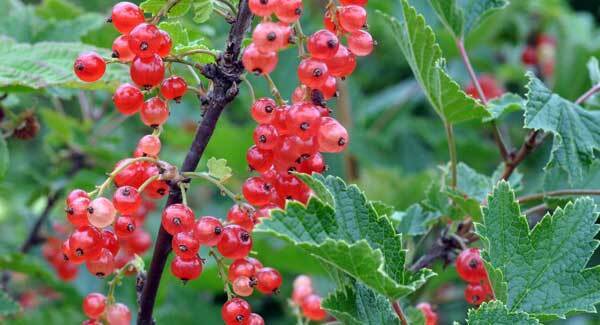
Fiann Ó Nualláin is enthusiastic about soft fruit planting and says canes and bushes should be set now.

Fruit planting: It’s the perfect time for luscious summer crops

Traditionally, March is viewed as the last chance for planting any new, bare-rooted fruits — that’s everything from apple and pear trees to blueberries, gooseberry, quince and currant bushes as well as wild berries and cane fruits including raspberries, blackberries, and all the more recent hybrid berries – tay, logan, boysen.

In part, this is because the dormant season is November-March and come April they are rooting and budding and losing vigour and also because, by April the garden centres and stockists have themselves potted them on, or are in the business of the more expensive container-grown plants.

So for frugality’s sake or adhering to good gardening practice this is the weekend to get some bargains in the garden centre and fill any gaps in your fruit requirements.

I haven’t grown white currants or purple gooseberries in a few years having lost my stock to a prolonged soggy winter a while back. However, now is the time to rectify.

I also want to try my hand at some Worcesterberries I got from English’s fruit nursery in Enniscorthy, Co Wexford. It’s a blackcurrant and gooseberry cross. It’s good to shake it up a little every now and then.

Gooseberries are shade and sun tolerant and are easy to place in whatever corner of the garden is available.

The thing with fruits is they are permanent crops. By that I mean one spot for life. Other than strawberries it’s no crop rotation or second guessing a better place for next year. You have to get it right first time.

I remember trying loganberries when they first hit the catalogues and I mistakenly thought they would make a great boundary hedge on my allotment.

However, I underestimated their vigour and thorniness and every time I went to harvest something close by I got cat scratches where the sun don’t shine.

The fruit will thrive, the question is how you navigate around it. It’s not just the prickly ones. A big apple tree can cast a lot of shade across your garden but cordons or stepovers may be perfect. The rootstock of apples and pears dictate the eventual height.

Those labelled M9 or M27 are suited to gardens. No matter what the fruit, we are often pressed for space in our productive gardens and on allotments, so do think to scale when you select, and do go for bumper croppers to make it worth your while.

Most stock now is that way inclined and Irish garden centres and fruit specialists have brilliant ranges that include rust and mildew resistant varieties.

When it come to some of the bigger fruits, how far to plant from your house or boundary fence/wall is an issue often overlooked so as a general rule — apples are best 2-3m apart and at least 2m from fence/house while pears, plums and gages are best 4m apart and 2m from wall/building.

Cherries are best 3.5m apart and 3m from a wall/ building. This is not just about roots and foundations but crown spread too.

Maybe it’s handy to harvest your apples from the bedroom window but it’s risky to present your plums or pears over the fence and half way into the side street.

You’ll lose half a harvest that way. Plus that joke I could have made — somebody will.

With the bushes and canes, the consideration of where to place your fruit is often where you have the space — but always bear in mind that fruit likes shelter in winter and sun in summer.

Raspberries in particular adhere to that rule — especially summer-fruiting raspberries, because they flower much earlier than autumn-fruiting ones and are in the frost danger zone.

Traditionally, planted in trenches, rather than individual holes it’s not just for ease but because you can also really amend a trench with plenty of manure and good compost to give these guys a great start.

They are also spaced relatively close together — generally 45cm between plants — as an easy way to support and tie in.

For blackberries and those hybrids that can sprawl and be unyielding, a good structure to restrain is handy. This can be a bamboo or wooden support or taut wire frame between posts.

Those Worcesterberries and jostaberries too are of the upright hybrids, as both parents are bush. Knowing the parentage gives a great clue to how to grow too. The apple never falls far from the tree and all that. So if blackberry is in the mix, (tayberries, boysenberries etc) expect a sprawler.

Gooseberries come in and out of fashion as a fruit. I lost mine but I am planning to plant Hinnonmaki red in the coming days. It’s a heavy cropper and a delightful dark red.

Some gooseberries are such heavy croppers that they will need support too. Even though you prune to goblet shape. The odd stake and bungee lattice is helpful.

I love gooseberries as a grower because not only are they tasty but they can tolerate light shade as well as full sun, so I have more placement opportunities. Best spaced about 1m to 1.5m apart. Open airflow is the secret to yield and low pest and disease.

I will come back to blueberries, honeyberries, inca berries, figs, medlars later on in the year but you can’t go wrong with planting some currants — black, white or red or all three can go in the ground right now. Again a great tip is 1.5m apart.

Of the reds — for a great early cropper with abundance try junifer or jonkheer van tets, both are upright and easy picking. For a late picker try Rovada — great flavour and long storing.

For early blacks try Ben Cannon or Ben Sarek — two of the better mildew resistant and both very flavoursome. For a late one do try Ben Tirann or Ben Lomond.

My white currant choice for my own patch this year is

White Versailles. It reliably yields a large, nice shaped, sweet-tasting berry — great as a dessert fruit or jam. It is reputed to be extremely vigorous — but what’s life without a challenge.

With all bareroot – do soak in a bucket of water while you dig the hole — it will plump up the roots enough to make a good spread and sturdy start when you do plant.

I always dig the hole larger than the root ball and amend with compost for the nutrition and the amended structure helps those roots find their way out and down in the coming months — that will stand to you and your fruit in the coming years. Do stake where required and do think of frost protection applications to come.

More in this section

Revoiced

Newsletter

Had a busy week? Sign up for some of the best reads from the week gone by. Selected just for you.

Cookie Policy Privacy Policy Brand Safety FAQ Help Contact Us Terms and Conditions

© Examiner Echo Group Limited