Vintage view: Make a record of your valuables
Imagine your favourite vintage or antique thing in the house, an artwork new or old will do.
Now, imagine it has been rudely ripped out of your life, and you are trying to describe its dimensions, shape, colours, identifying marks, its very existence, to the flat, emotionless face of An Garda Síochána, or your insurance provider.
Some of your pieces dusted with sentiment, or known to be worth four-figure sums might be itemised on the home insurance — there might even be a casual photograph taken.
However, other more minor collections, some relatively pricey pictures, small furnishings, ornaments, even jewellery are not cut out from the rest of the household goods.
If you were broken into, if these things were taken, turned out of drawers, pitched off walls and surfaces rendering them damaged beyond repair (or only fit for skilled restoration), — what then?
Flood damage, fire, a rampaging young dog — the event doesn’t have to be a criminal intrusion. The appraiser appointed by your insurance company has a difficult job to do, when things you are justly claiming for are absent, or exploded into pieces.
Equally, without a tight description, investigating police will have added challenges in getting the word out and recovering idiosyncratic valuable objects taken from your home that may be offered for sale in the classified ads or at busy boot sales across Ireland or even the UK.
Presuming you took time, effort and money to source these things, follow through and fully document them, give them a complete timeline in your life.
If you are going to use your PC or laptop for this work, ensure you back up your hard-drive regularly. Copy the results onto an external hard drive or removable USB drive and place it somewhere safe, preferably away from home.
Together with the new text and image records, you are going to make, look up any provenance you already have.
Gather written receipts, financial records of the price you paid for the piece, auction catalogues where the thing feature and any research you may have done that establish the value of the item, its history and its place in yours.
If you have marked the piece with a UV pen, record the location of this mark. Fish out a tape measure and record dimensions (H x W x D) as close to the centimetre as possible, the split millimetre for jewellery.
Take down any serial numbers or makers’ mark you find on the piece. If you don’t have one, give a brief description of the article to the best of your ability. Place this information in a designated folder, hard or digital, and date any additions.
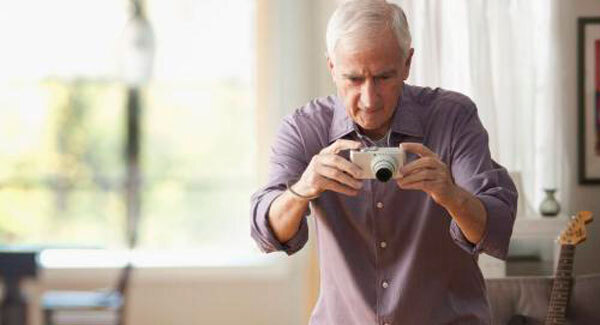
A digital camera is extremely useful to record antiques and without the expense and delay of traditional film, it’s an economic choice too. However, good clear, old fashioned photographs will do if you are sure standard print sizing will not crop out parts of the piece.
What digital cameras tend to include, which might not be present on a standard film fed compact, is a ‘macro’ setting to get up close and personal with small detail or even to take in a very small item like a ring or ivory netsuke.
Flash photography can cause high, obscuring glare unless bounced off something like the ceiling, so if possible, use natural light.
Northerly light is soft and largely shadow-less. You could even set up outside on a windless, dry day. Use a sheet to isolate pieces from a busy background wallpaper. This will also bounce natural light into the relief work on the piece.
If you don’t have a dedicated support, take your photographs at the bottom of your breath, steadying your hands by placing your elbows into our hip bones with your legs set well apart.
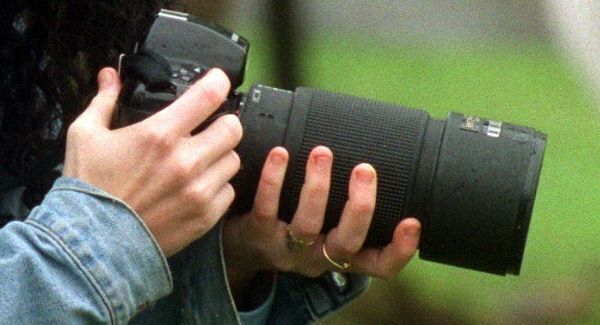
This forms a reasonable human tripod. Resist any telephoto work which will create more shake. Physically move in instead. Steady your arms on a table if seated, or place the camera on a small bean-bag and use a timer or remote lead to shoot the picture.
Get in close (the item should fill the frame without being cropped). Record the piece from all sides (including the base of say, ornaments) and take pictures of details such as carving and even damage.
Include any identifying marks, including hallmarks, stamps and signatures with an independent photo.
Paintings can have considerable detail, including exhibition and gallery stickers on the reverse, so take a photograph that includes these and the frame too.
Digitally edit the results on the camera as you take them if possible, clearly naming and downloading the results to a named folder for your valuables.
If you can’t stand the idea of taking pictures, use a video file, but keep in mind that this media is far more MB hungry.
Create a text file or write on the picture file itself (I use the free 32 bit graphic viewer INFANVIEW) and give each picture an identifying number.
In at least a sentence in the text, say what it shows and the date on which the shot was taken.
For example : Vintage 1960s Fase lamp, showing stamp FASE, MADE in SPAIN on base.
If you have a good collection this process can be minutely cross referenced. You can even use the macro setting to photograph your hard paper trail for added piece of mind, and store the whole lot on an internet photo storage site (not Facebook or Instagram please).
Ensure your spouse or partner has the details and any password in the event these records need to be accessed.
An external hard drive kept away from the house at work or with a trusted friend can also work well, and be reciprocated.
If you don’t have any idea of something’s worth that you believe to be good, and it’s not included in your insurance as a special item, it might be worth having it valued for insurance purposes.
Many dealers in the IADA do this work.
www.iada.ie

CONNECT WITH US TODAY



Be the first to know the latest news and updates