Part one: Overwintering your veg plot starts now
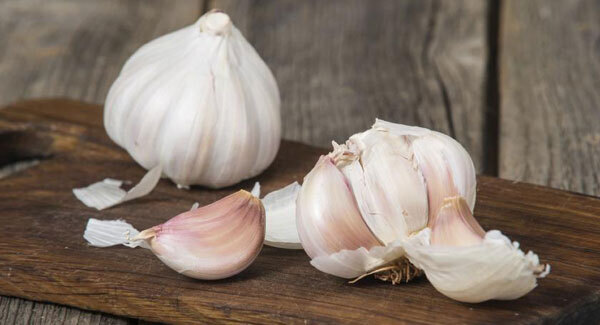
Fiann Ó Nualláin says you don’t have to wait to next summer to reap a food crop, so begin planting early. 

Part one: Overwintering your veg plot starts now

When I was a kid I remember being told in school that plants grow in summer and die or hibernate in winter — okay Miss, wisdom received.

Then I ended up on an allotment with my grandfather in the middle of winter, frosty breath translating our conversation into smoke signals and the cold in my toes — even with two pair of socks on.

Against all the laws of nature my grandfather’s pal was pulling leeks and cabbages out of the ground for us to take home — shock, plants were still growing!

It was earth-shattering to my comprehension. This guy was clearly a wizard.

Worse was to come, after a bit of real earth-shattering with a hand pick, (the creation of a drill), the Wizard gave me a few bob, (cheapskate Wizard) to plant a row of garlic bulbs.

Garlic needs a really cold spell to force germination and planted now, it will produce larger bulbs.

Now I was participating in the magic. Talk about wow.

On the way home I kept smelling my hands inhaling the garlicy memory just to remember it really happened — I did garden in winter. Miss wasn’t so all-powerful.

Needless to say that was the start of my questioning of all received wisdom and my suspicion of people in it for a career, and not for passion or the revelation of truths.

It is not against the laws of nature to garden in winter and it is not impossible to grow food over winter.

So over the next two articles I would like to explore what’s possible to grow at the cold end of the year — broad beans, spring cabbages, garlic, onion sets, and more.

There are plant such as purple-sprouting broccoli and leeks that were sown much earlier in the year and which continue to actively grow in the cold and which we harvest at winter, and some that extend their harvestable season by virtue of mild weather or the aid of cover and cloches, but then there are some that we start now.

The science of it is that in winter when the earth tilts a little away from the sun, the result is that the temperature drops sufficiently to cause the soil to cool below 5C and at that point growth is halted, (very often this occurs mid-November but is not so predictable as weather patterns can impact upon temperature too).

So at 5C everything goes into stasis and stays that way until the vernal equinox in spring (March, but again weather patterns could make it April), when the earth moves back a bit closer to the sun and the soil warms up to above 6C, triggering root activation and foliage growth.

So field-grown veg without fleece or gardening trickery will slow growth to a standstill, and then restart later.

If you love broad beans, then you’ll love the bumper harvest you’ll get next year by setting seeds now.

Getting crops in now is a head start on spring, it seems like running to stand still, but it’s really a pre-run limbering and stretching that will get you out of the blocks fast.

It also means that there are some pickings to be had in the downtime if required. And plants ‘in place’ displace spaces for weeds to colonise. So it is good practice on many levels.

So to begin as I began, let’s look at garlic. Apparently it’s so simple a six- or seven-year old could do it.

Make a drill (about 2.5cm deep) and place a clove at intervals (10cm apart is best, cover with soil and sin a bhfuil. All that’s left is to spend your few bob on clove rocks on the way home.

Bar the consequences of mice, birds or flooding, expect a full bulb next autumn.

The genius of planting it now and not in spring is that garlic requires

a period of about five to six weeks of temperatures below 10C to trigger its activation from clove unit into cell-dividing, bulb-forming entity.

You might get that between February and April but why risk it when winter guarantees it. By all means do an experiment, I’ll bet you a bag of clove rocks that your winter-planted garlic rocks up a bigger yield than anything planted early in the new year.

I grow mine in raised beds as the extra drainage is welcomed and rewarded by the garlic bulbs and their plants.

On a similar theme — onions and shallots can go in now too.

Both require a long growing season to perform well and bulk up good edible bulbs for next summer.

Many gardeners traditionally plant these first thing in spring but planting now is the head start that gives surety on success.

Again waterlogging is the downfall, so raise up. When it comes to the merits of growing either or both — it’s all down to flavour and usage.

Shallots have a milder aroma and taste than onions and I favour them raw in salads and cous cous-type dishes or where you don’t still want to be tasting the onion two hours after the meal.

They do however, lose a higher percentage of their flavour during cooking. So for stir fries and curries I opt for red, white and yellow onions which are more robust in flavour and aroma.

However, you can use them interchangeably and if you are pressed for space, grow what you would put in your basket if you were Friday foraging in your local shop.

This thing of buying seeds online or food plants in a garden centre is great and convenient, but it’s often not a focused exercise and what happens is that you can end up picking up all the usual suspects and that’s maybe more about you acting on what’s expected of you.

And then again, maybe you would never throw a bag of frozen or fresh broad beans into the shopping trolley.

If you only eat broad beans three or four times a year, then keep the space and effort to grow more of what you eat every week, if not every day.

Okay, chocolate does grow on trees, sort of, but unless your greenhouse can mimic tropical climes best pass on planting Theobroma cacao.

Instead, do you spend a lot on blueberry snack boxes or fruity smoothies?

Now is a great time to get those fruits in (check out last week’s article for more on that) instead of greens that grow, but go unharvested or put you under obligation to eat.

Now if you love broad beans, great news, you can start them this weekend to encourage a bumper harvest next year.

Sow seeds of the ‘early’ varieties in the coming days or plant out any started last month.

One of my favourites Aquadulce Claudia will yield as much as a month earlier and last a month longer if started now rather than spring.

Simply sow directly in drills about 5cm deep with a spacing of 15cm between plants and around 40cm to 45cm between your rows.

I don’t do my beans in rows anymore and instead dot them about the garden.

They are legumes and so fix atmospheric nitrogen into the soil and I use them like a green manure or living feed to boost different spots with the benefit of a delicious harvest. Do think wigwams — as breezes and gales are the prime enemy and a frame allows netting against the other old enemy — no not the English — but pesky plundering pigeons.

Similarly with peas, if you fancy an early crop next year, now is the time to sow and overwinter in a cold frame before planting out next spring.

I have experimented with direct planting but shelter, and catch-the-pigeon manoeuvres, are even more essential.

Root crops are not off the radar and while I am not a fan of radishes, many are, so if you want some peppery bites four to five weeks from now, you can sow this weekend.

Apparently, winter grown ones have more structural integrity for use in stir-fries and casseroles/gratins.

For future reference if you are a radish fan, I would recommend sowing in August or September to harvest between Halloween and Christmas dinner.

Sorry for using the C-word so early but there are also late season potatoes that are packaged as harvesting for C-Day roasties.

More autumn vegetables next week with a look at the cabbages and kales and turnips that can be got underway in the cooler temperatures.

More in this section

Revoiced

Newsletter

Sign up to the best reads of the week from irishexaminer.com selected just for you.

Cookie Policy Privacy Policy Brand Safety FAQ Help Contact Us Terms and Conditions

© Examiner Echo Group Limited