Nature Table: The Goldcrest
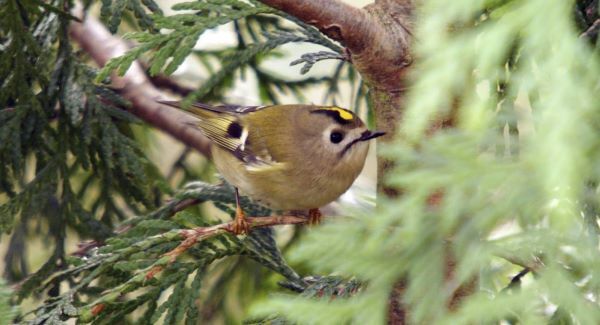
They’re the smallest Irish bird and spend most of their time in the upper foliage of tall trees where, despite their rather gaudy eye-stripe, they’re remarkably well camouflaged.
The stripe is yellow, orange and black in the male — females lack the orange bit, though this is hard to spot unless you have the tiny bird in your hand.


Read

Listen

Watch

Play
CONNECT WITH US TODAY



Be the first to know the latest news and updates






Revoiced
Newsletter

Had a busy week? Sign up for some of the best reads from the week gone by. Selected just for you.
Property & Home
Newsletter
Sign up for our weekly update on residential property and planning news as well the latest trends in homes and gardens.
Lunchtime News
Newsletter
Get a lunch briefing straight to your inbox at noon daily. Also be the first to know with our occasional Breaking News emails.

Most Read
Thursday, October 1, 2026 - 1:00 PM
Thursday, October 1, 2026 - 7:00 PM
Wednesday, September 30, 2026 - 5:00 PM