Jerusalem artichokes are the star of the winter garden
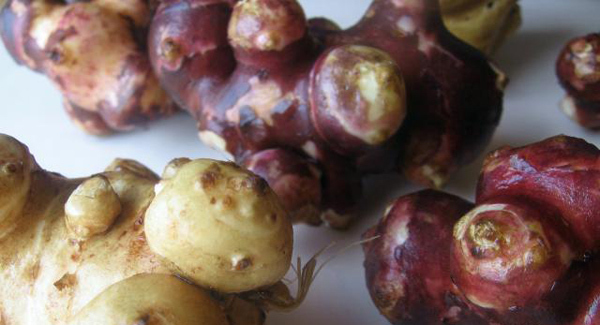
For me, one of the haute cuisine highlights of the winter garden has to be cooking and eating the crop of Jerusalem artichokes, says Kitty Scully.

Jerusalem artichokes are the star of the winter garden

Despite the title, they are not artichokes and they don’t come from Jerusalem.

These small knobbly tubers with their distinctively sweet, nutty flavour are a member of the sunflower family and they were first cultivated by Native Americans, but as most people who have ever grown them might agree, they don’t need much cultivation.

Jerusalem artichokes are considered by some as food fit only as animal fodder, but it could be argued that these timely tubers have piles of potential and are an inexpensive, exotic tasting, nutritious, locally grown, seasonal addition to any table.

These tenacious tubers are so easy to grow that if you plant them one year you will have them forever. They are virtually pest resistant, tolerate most soil and weather conditions and remain in the ground right through winter.

They are not such a wise choice for a small plot as their stem and foliage will grow up to 10 feet and runs risk of shading and competing with other crops.

However, this trait can have it’s advantage as if strategically planted they can make an excellent wind break. Be warned, once you plant them, they are pratically impossible to remove.

They demand to be dug up with care, as even a tiny piece of tuber will grow again if left in the soil. These tubers are well hardy, remaining in the ground all through winter to early spring and are best dug and used as needed.

They will hold in the fridge for a few days. Even if chiselled out of frosted soil they are still quite edible.Jerusalem artichokes contain vitamins A, C and B-complex and are a good source of potassium, phosphorous, iron, calcium, and magnesium. Unlike most root vegetables, they contain no starch.

They are also very rich in inulin, a carbohydrate linked with good intestinal health due to its bacteria promoting properties.

Depending on your constitution, this could be one health benefit that comes at a price.

Some people have slight intolerances to inulin and it may begin to ferment in their gut, which gives a hint to why these tubers are sometimes dubbed “fartichokes”.

When it comes to cooking these hardy tubers, just remember that anything a potato can do, a Jerusalem can do too.

With one exception — Jerusalem artichokes can be eaten raw or very lightly stir fried. Roasted, sautéd, baked, boiled, fried, steamed, made into gratins, gnocchi or soup, added to pickles, salads, fritters or rosti’s, Jerusalem Artichokes have a delectable, distinctive, earthy and unusual creamy taste and texture.

Like spuds, they can be served with or without the skin – best to leave it on for maximum nutritional benefit. The only downside is that cleaning these gnarled tubers can require a certain degree of scrubbing and patience.

They are highly esteemed by many seasonal food fanatics, such as Jamie Oliver, who declares them to be best friends with sage, thyme, butter, bacon, bay, cream, breadcrumbs, cheese and anything smoked.

More in this section

Revoiced

Newsletter

Had a busy week? Sign up for some of the best reads from the week gone by. Selected just for you.

Cookie Policy Privacy Policy Brand Safety FAQ Help Contact Us Terms and Conditions

© Examiner Echo Group Limited