Tucking summer beds in for winter
Resist any temptation to simply abandon those hard-worked beds as soil left bare for more than a few weeks will soon be taken over by weeds, lose nutrients, erode or become compacted by wind and rain. Take time to see the season through and put garden beds to bed.
Once crops are harvested, spent foliage, if not diseased, should be composted and weeds removed before soil is fed and mulched. Correct soil preparation at this time of year may just determine the success of next year’s garden and will certainly help to reduce the amount of hours needed to work soil next spring.
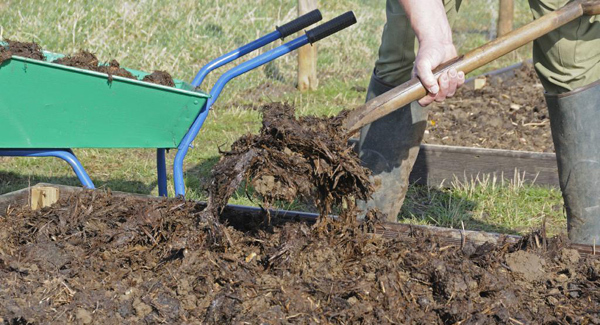
An alternative to sowing a green manure crop for ground cover and fertility is to dig organic matter into beds and then cover. To do this, clear the bed of any weeds, fork farmyard manure, compost or seaweed into soil, always opting for what is most available and accessible to you.
Black ground fabric or plastic are ideal covers for preventing valuable nutrients being washed away. Old carpets can also be used and mypex is perfect for the job as it is black and porous, yet protects the bed from rain. It is expensive to buy, as is black plastic, but both can be stored and used again and again. Make sure to carefully pin down and secure any sheet mulch with pegs, stones, etc as winter winds will catch hold and blow ground cover away. Other mulches such as layers of cardboard and newspaper are also effective.
These are organic mulches and also sources of carbon that will break down into the soil over the winter. In the following spring, remove any chunky remains and put in the compost heap before lightly digging over soil.
These options may not be the most aesthetically pleasing but are certainly rewarding as earthworms especially love the warm, winter-covered feeding ground. With the help of other soil bacteria, they will decompose the mixed-in organic material and add valuable nutrients and tilth to the soil.
The key to good vegetable growing is to create a soil that is rich in organic matter giving homes to many soil organisms. In a similar fashion, if you are hoping to start a vegetable patch next year or are enthused by this year’s successes and feel the desire to expand and open new ground for next season, ground cover is vital.
If the area for cultivation is large, a green manure is the best option, but if a small plot or a bed system is planned, my advice is to invest in a large piece of ground cover such as mypex or black plastic.
These black mulches are ideal for easing the eradication of stubborn perennial weeds. Heavy-duty brown cardboard, layers of non-glossy newspapers or old carpets will also suffice. Firstly, remove any weeds that are about to drop seed from the area that you intend to cultivate next year.
Then cut off all the bulky top growth using a strimmer or scythe. Leave cut foliage on the ground to rot down and feed the soil. If you have access to farmyard manure, apply it. Then just cover this area with a ground cover and sit back and let nature do its work.
As mentioned before, make sure all ground cover is well secured to protect if from the wild winds of winter. The cover will inhibit light and therefore weed growth and when it is pulled back next spring, this area will be much easier to work than ground left to its own devices.
It would be a lie to say that you are then good to grow but the back-breaking work will certainly be reduced as grass will have died back and the growth of perennial weeds stunted.
Because of their pernicious roots, docks and nettles make every attempt to grow and their leaves will have a luminous yellow look, but these will be a lot easier removed than those from ground left uncovered. When spring arrives and the weather is suitable, dig out perennial roots, fork and rake over soil and voilá, you will be ready to spring into action and greet the new growing season.
Preparing well this autumn facilitates earlier cultivation next spring.