Leaf through the anti-pest options
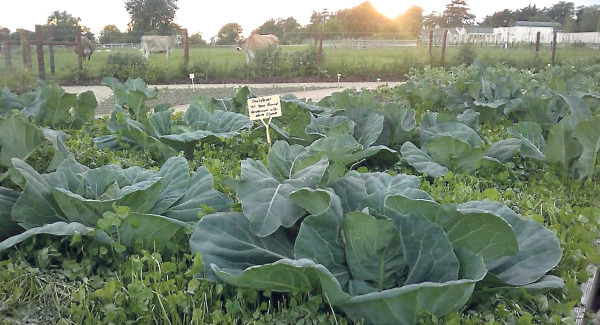
WHO doesn’t love a good ‘brassica’? Kale, cabbage, cauliflower, brussel sprouts, kohl rabi, broccoli, turnips, swedes, radish, rocket, mizuna, oriental greens: there is such a range to choose from and all are equally yummy, full of goodness and adding varying shades of green and blue and purple to the plot.
It’s no wonder that a host of pests and diseases love them as well — including the most persistent garden pests and diseases.
Between the birds, flea beetles, slugs, cabbage root-fly, mealy aphids and caterpillars, there’s no end of critters crying for your cabbages as much as you are.
Caterpillars are the most well-known of the insects and, at this time of year, they can do untold damage to your greens.
If you have lots of holes in your brassica leaves and regularly see lovely white butterflies hovering around, it’s likely the cabbage white butterfly is rearing her hungry family on your precious crops.
Butterflies are a delight to see in any landscape but, alas, this white-winged beauty comes at a price. There are two species of cabbage white butterfly in Ireland: the Large White and the Small White.
July and August are the times when they take flight in search of your brassicas, which provide the perfect abode for their army of ravenous offspring.
The female Large White lays her eggs in clusters on the underside of brassica leaves, where they then hatch into the familiar, brightly coloured black and yellow caterpillars. These fearless pests contain a substance that is unpleasant to birds and this emboldens them to blatantly crawl all over your plants and happily devour them.
These caterpillars, and their excrement, are easily spotted, but if not, you will certainly notice the holes they make in the leaves.If left unchecked, they will munch your brassica leaves right down to the stem.
The female Small White lays its eggs singly and is less fussy about the plants she lands on. These eggs hatch into a very well-camouflaged, bright-green caterpillar with a thin yellow stripe.
They lack the same substance to stave off birds, hence they seek cover inside your plant, making them harder to spot. If undetected, they will destroy your cabbage from the inside out.
Here are some tips on caterpillar control, but, before you wage outright war on the brassica-loving butterflies, note that butterflies, including the Large and Small White, are in steep decline across the country, so consider this while taking action and leave a few sacrificial brassicas around the plot.
A net barrier laid over hoops and anchored in the soil should prevent the cabbage white from landing on your crops and laying her eggs. Nets should be erected, so as to allow plants to grow to their full height and potential.
Nets can vary from the ultra-fine enviromesh, horticultural nets to recycled net curtains or mosquito nets. Ensure nets are properly erected, especially the recycled ones, as these can become heavy when wet and distort your growing plants.
Early detection is the key to control. Inspect plants regularly and, ideally, look for the eggs and squash them before they even hatch.
Organic gardeners sometimes use biological controls to deal with pests. This involves the introduction of a natural enemy specific to a particular pest but harmless to beneficial insects, other wildlife and human beings.
BT, or Bacillus Thuringiensis, is a biological spray of bacterial spores that specifically attacks many caterpillar species. It is very effective and a commonplace product in most garden centres, but will come at a price. In the case of caterpillars, prevention is certainly easier and cheaper than cure.
New research is also being carried out on the benefits of under-sowing brassicas with white clover. The clover not only acts as a living mulch, suppressing weeds, but it is also thought to reduce the number of white butterflies landing on crops.
Cabbage whites have taste sensors on their feet and, by landing on a leaf, they can identify if their offspring will feed on it or not. As clover is not a food source for caterpillars, often they become confused if strips of clover surround brassica crops and they flutter around trying to land on the ideal food source.
This year, I conducted my own trial and all cabbages under-sown with white clover escaped caterpillar attack, unlike neighbouring kohlrabi and cauliflower.
However, it’s a shame the clover doesn’t confuse the pigeons as well!