Hi hoe, it’s off to weed we go
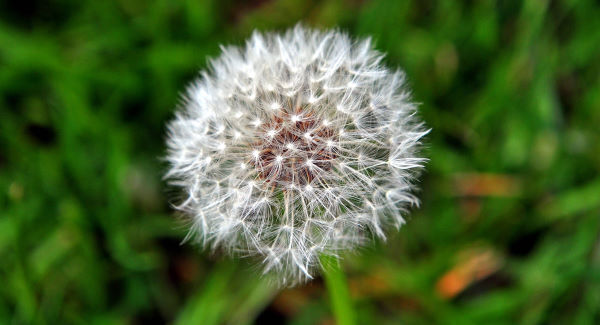
Clearly, weeds or wild plants growing in a field, hedgerow or forest are part of the natural vegetation, but if left to grow in the middle of a veggie plot, they will compete for water, nutrients and light, three essential components of good plant growth.
Any cultivated plant can become a weed if it grows in the wrong place, like rogue potatoes popping up in salad beds or mint going mad and taking over a whole bed or garden. As competition leads to lower yields, if left unattended, weeds can take hold and stifle crops completely. This is particularly so in crops with sparse foliage such as onions, carrots and leeks who really cannot stand the competition, literally, from the start. Weeds also harbour pests and diseases, which will in turn spread to your crops, like flea beetle, carrot root fly and broad bean blackfly. Weeds cause a smothering effect and the lack of air circulation is the perfect breeding ground for fungal diseases, like mildew on onions.

Weeds such as stinging nettles and prickly thistles also make harvesting rather unpleasant. It makes good garden sense to keep your crops weed free as it not only looks better aesthetically, but it also ensures plentiful yields.
To employ a systematic approach to minimising weeds without nasty non-selective weed killers, it is vital to understand the life cycle and habits of weeds, be they annual, biennial, perennial or ephemeral. The main ways in which to keep them under control are: to pull them; hoe them; exclude light from them (mulch); eat them or densely plant so they won’t have a chance to grow in the first place.
A crop rotation based on optimising weed-suppressing and weed-susceptible crops (eg following potatoes with onions), certainly helps and also the stale seedbed technique of preparing your seedbeds several weeks before you plan to sow your crops so weeds can be knocked back before your plants start. Planting through ground cover such as mypex, using green manures which compete with weeds, or mulching to block out light, is also very effective.
It pays to pay heed to your compost system and ensure that all perennial weeds are excluded and that sufficient heat (up to 60°C) is kept in heaps, thus killing weed seeds.
Early season weed competition is critical and easiest to manage, so direct all energy into control when seedlings pop up in their cotyledon stage. Weeding is best done in dry conditions, using a hoe for inter- and intra-rows, leaving the weed debris on the ground to enhance soil fertility and structure. Hoes are an effective means of control as they cut weeds at or below the soil surface and aerate the soil.
It’s well advised to space crops to suit hoes. What yield you lose on spacing will be compensated for by the decreased time spent weeding. And if weeds are left to mature or wet conditions persist, hand weeding is the only option, which is time-consuming.
The golden rule for weeds is: ‘One year’s seeding — seven year’s weeding’. The key point is not to let those weeds run to seed and to go forth and multiply. If so, they will haunt your harvests for years to come.
Of course weeds are not always our foe as many are medicinal and edible (fat hen, nettles, chickweed, ground elder, dandelions, cleavers, etc — see p25). Some are nutrient power-houses, tasty in salads or cooked like spinach and grow absolutely free, without cultivation. Wild plants have always been used for cures and in traditional medicine. Make sure to check a reference book before adding any weeds that you are unsure of to your plate, as some are poisonous such as groundsel, foxglove and nightshade.