How to transform your house space
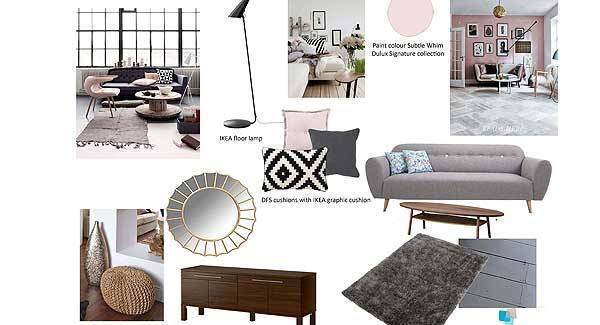
DESIGNERS Denise O’Connor and Catherine Crowe have been handing out prescriptions for home-design ills on RTÉ’s TV show Design Doctors, which finished its first run late last year. So what is ailing Irish homes?
“For people who bought new homes, it’s lack of storage,” says Denise. “They might have five bathrooms, but no wardrobe space or utility space, or a place to put the buggy. Think about what you want to store, rather than just build a cupboard. Think about storage for kiddie’s items. There’s no point in positioning them high, where you’ll spend all your time getting things down.”
The rear extension to an older house is not a panacea for space problems. The open-plan kitchen/dining/living space is a re-imagining of an old-fashioned way of living that centred around the big kitchen of traditional Irish homes, with a parlour used only on Sundays, but Denise explains this reinvention has advantages, although it’s not without its problems.
“Open-plan kitchen/living and dining allows busy families, with both parents working and school-going children, to gather together. There’s space for more interaction and visual connection for working families to cook and talk together, but owners can struggle to furnish it, and it can be disconnected from the older house space.”
“It’s a common mistake,” says Catherine. “They don’t count the space they already have, and huge extensions aren’t really fit-for-purpose. People end up with a huge amount of square meterage, when what they really needed to do was rearrange what they had and, maybe, add a small extension.”
“Give old rooms a purpose,” says Denise, “or they’ll be forgotten, while the family lives in the new space. Use the older rooms as a home office or put the piano in there, or try to connect the areas with doors.”
So what’s the remedy if the house has so many ills, we think it’s a terminal case? Denise says make a list of what’s wrong with your house. “Small things can be easily fixed, but if there are too many, it can put you in a bad mood. Ask yourself, ‘what’s the room’s purpose?’ Understandably, rooms become full of stuff. A table is moved in temporarily and doesn’t leave, then magazines are stacked on top.”
Catherine says people don’t want what they have: “Irish homeowners tend to see what someone else has and want to replicate it. We’re suspicious of new trends, but we need to start being bolder in our choices. You can come up with a fantastic design for a family and it makes it more interesting.”
What if you don’t want a renovation, but are fed up with a room? Denise says clear it out: “Make a list of what you love and what’s needed to go back in the room. Put back only what you want and what’s left over can be sold.
“On a small budget, paint is the best way to transform a space, even if it’s used on just one area.
“People go for yellow a lot, to brighten, but it’s tricky.
“Magnolia and peach also don’t work in our Irish light. Colours with a green base are best, but that doesn’t mean the paint will be green. It just has some added to give the right tone for our light.”
So is there anything we are getting right? “We have lots of outdoor space compared to places like London, the Continent and New York,” says Denise. “We can integrate it into our homes with patios and planting and seating areas, to connect it more and make it feel like an additional space. Ireland often doesn’t think beyond the kitchen extension.”
According to Catherine, the approach to planning is now more considered. “In the past when people were starting a project they used to ask us if it would add value to the property, now they don’t. They’re looking to the future and focusing more on the space and how they and their families can grow into it.”
But thoughts of hiring professional designers, and the perceived expense, might seem outside the reach of most people and something that could eat into the budget for new furniture or the high tech kitchen.
“People still think it’s expensive,” says Denise, “but that isn’t the case. We have a package costing €975 including VAT for an architect’s visit to your home and two to three 3-D design options.
“People also tend to throw everything out and start again by buying everything new.
“This is a mistake and it’s costly. It’s more important to tackle an extension blocking light to the existing part of the house, as it impacts on your quality of life. Anything that affects the atmosphere, lighting or heating, affects your mood.”
So it seems good design isn’t just about aesthetics — it can change your quality of life.
¦ Next week, we’re gradually introducing the ombré effect.
Before you start that home interior project, consider designer Catherine Crowe’s five top tips.
1 Keep a diary of the house — how many rooms you use and how often.
2 Ask what you like about the house, and why.
3 Be practical. Showing a designer a magazine photo of a 5,000sq ft house is pointless if your home is 1,000sq ft.
4 Have a big clear out and build the idea of storage into your plans.
5 Re-use things you already have and don’t be quick to throw everything out. Old things are part of your story.
* The Design Day Out with DFS and Design Doctors is a free event that runs from 7pm-9pm on Wednesday, March 11. Drinks and refreshments will be served and the evening includes a raffle for the Mira Sofa. To reserve a place for two, email dfs@ocarrollconsulting.com with name and email address as soon as possible, as last year, places ran out fast. Admission is free but attendees are invited to enter the raffle by making a donation to local charity and DFS partner, Dress for Success.

CONNECT WITH US TODAY



Be the first to know the latest news and updates