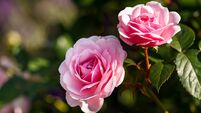
A rose by any other name...
WITH Valentine’s Day just gone, love is in the air, amour is in the ambience and so too are the classic clichés of cards, chocolates and a dozen red roses. I am as much a rose lover as the next person but, like my food, I tend to prefer my roses in season and local.
Alas most roses stocked in shops at the moment have more than likely been grown in Kenya or Ethiopia and personify labour-intensive, heavily sprayed crops requiring vast amounts of water, pruning and treating before they are clipped and flown daily to buyers across Europe.
A dozen roses neither symbolises ‘love’ for the labourers involved in growing and shipping them nor nature. Instead they epitomise the adverse health effects and environmental degradation that has become synonymous with the cut flower industry.
However, good things come to those that wait and when it comes to roses, my personal favourites are the wild dog rose Rosa canina and its cultivated relative R. rugosa, commonly known as ‘Apple rose’. Dog roses are common to our native hedgerows and interestingly are said to be the roses that grew around Sleeping Beauty’s castle. Now is that not romantic? The flowers vary in colour from white to deep pink, stems are covered in tiny thorns and its fruits are the familiar bright red rose hips synonymous with autumn and coveted by birds and foragers alike.
Both the flowers and hips are edible with the rose hips being a great source of Vitamin C. Hips are traditionally made into syrup, jelly, jam, vinegars, soup (typical Scandinavian cuisine), pies, tarts, quick breads, muffins, tea and wine.
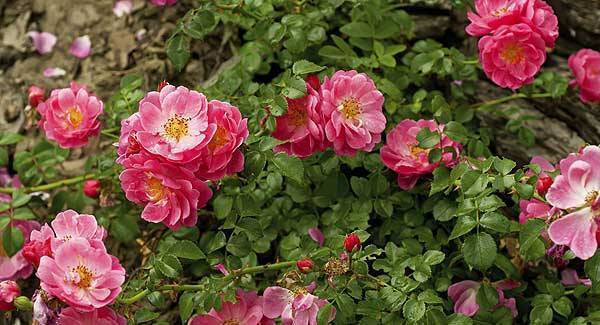
A cultivated cousin of the wild rose is the ubiquitous Rosa rugosa, easily identified in autumn by its exaggerated apple shaped bright red hips and by its hundreds of old fashioned fragrant crimson flowers each June. In my opinion a bundle of 12 R. rugosa whips would be far more pretty a present at this time of year than any imported cut long stemmed roses. A ‘whip’ is simply a single woody stem with roots and are cheap to buy when bought bare-root in bundles. These whips if planted now will bring endless years of privacy, shelter, beauty and food for wildlife to your garden in the form of a cheap and cheerful hedge.
Planting is easy — with a spade just make a slit in the ground deep enough to drop a ‘whip’ into. For a hedge, they are best planted in a staggered row, approximately five to a metre, and then reduced back to knee height in the first year. They will bulk up from the base in no time and once they have lost their foliage in the winter, they are tough enough to withstand annual maintenance with a hedge trimmer. If left to their own devices they have a tendency to adopt a shaggy unkempt air so they must be maintained in order to maintain a degree of tidiness.
R. rugosa hedges are ideal for planting around vegetable gardens and within two summers you are sure to reap the benefits. The delightfully scented pink flowers are edible as are the hips that brighten up plants in autumn and linger through to winter. R. rugosa is the ideal plant for forming a living rose fence as plants are both fast growing and fast expanding, growing up to 6 feet high and expanding by up to 2 feet each year giving fast and effective shelter.
Take heed though, the hedge will be thorny, which is ideal for keeping unwanted stock at bay but could prove hazardous for toddlers.
Another boon that can be credited to R. rugosa is the fact that they are very hardy plants and are tolerant of most soils bar those that are waterlogged. Being native to the sand dunes of Russia and Japan they grow well in coastal areas and are tolerant of salt-laden winds.
From a disease perspective, the common rogues of roses black-spot and rust are never a problem and hedges of R. rugosa always appear to thrive with a healthy boisterous lush glow that sets them apart from many of their cultivated ornamental charming garden rose cousins.
I have never seen two months like we have just experienced, with as many storms, high winds, and flooding. If you are starting out in a new garden and if it is in any way exposed to high winds, then you will need to look at planting a windbreak. Depending on the size of your garden you will need to plant a hedge or a line of trees. Do it now, while you can still source bare root plants, and let it establish as you create your new garden inside this protection. Your garden, in time, will thrive and of course be a more comfortable place to enjoy.
Peter Dowdall