Garlic adds a kick

It may not always protect against evil, but garlic provides flavour to a meal, Kitty Scully reports.

Garlic adds a kick

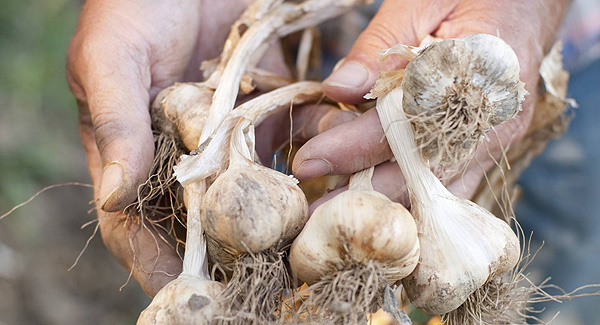
FOR a such a small-sized vegetable, garlic (Allium sativum) certainly has a big and well deserved reputation and a powerful flavour.

Although garlic may not always bring good luck, protect against evil, or ward off vampires, it is guaranteed to transform any meal into an aromatic and health boosting culinary experience.

Used raw or cooked, garlic adds a wonderful flavour and nutritional kick to any dish, with raw or pressed being the preferred mode for maximising its many health benefits.

However, if you cannot tolerate raw garlic, add chopped garlic to food while cooking, but it is best added towards the end of the cooking process to retain maximum garlic goodness.

People are often surprised to hear that garlic grows well in Ireland. This may stem from the fact that up until 40 years ago, garlic did not feature in traditional rural Irish cuisine, although historically it was used for millenia.

Thankfully, garlic is now an Irish household staple and treasured for both its flavour and health giving properties. As garlic is originally a native of the mountainous regions of Central Asia, it has adapted to extreme changes in temperature including very cold nights.

It performs best when subjected to a cold period of one or two months. Ground temperatures of between 0 — 10º celsius encourages optimum clove formation. Therefore garlic is very suited to our Irish climate and autumn planting often produces better crops than garlic sown in spring.

This has certainly been my experience but, like many aspects of vegetable growing, there are lots of different opinions among gardeners and so too when it comes to the appropriate time to plant garlic.

An old wives tale recommends that garlic will grow best when planted on the shortest day of the year, but as this falls on Dec 21, chances are the ground will be wet and the soil unworkable. Garlic enjoys a long growing season, so if planted in October up to early November, the harvest usually occurs in August and the bulbs are much bigger.

There are many varieties of garlic, so ensure to choose an autumn variety such as Vallelado or Early Wight. Buy the best quality, certified disease free bulbs and avoid planting supermarket garlic as chances are, it has come from China and thus will not adapt to our growing conditions.

Also, there is no guarantee that shop bought garlic will grow as bulbs may have been sprayed with a germination inhibitor. As garlic is a member of the Allium family, ensure to follow a crop rotation and do not plant it in a bed where onions have been harvested. If your soil is very heavy, incorporate organic matter or plant in a raised bed.

You may choose to plant your garlic through a ground fabric such as mypex for that added bit of winter protection. A small blow-torch is ideal for making holes in the mypex through which to plant your cloves, without causing fraying. Ensure to remove your ground cover next year before the garlic is fully swollen so as to keep it in perfect condition for the next growing season.

Garlic for planting is supplied in a whole bulb and it is necessary to carefully split it into individual cloves prior to planting. Cloves should be planted pointy end up and about 6 — 10 cm deep. Leave ample spacing each way in the rows, approx 15-20cm should allow for good sized bulbs for harvest next year. Other ground mulches such as straw and grass clippings will also be effective.

Garlic is relatively easy to grow and it is virtually pest free. It is the most well known of all companion plants, being planted under rose bushes, etc., to repel greenfly and used in many commercial and homemade pest repellants. Garlic does however, suffer from the same diseases as other Alliums, so it is essential to keep the keep a good rotation. If your garlic crop is strong and healthy, you could save some bulbs for onward planting.

According to folk medicine, garlic has been said to cure just about everything from the common cold and flu to the Plague! Due to its anti-fungal properties, garlic is used for getting rid of itchy athlete’s foot by soaking feet in a bath of warm water and crushed garlic. Being packed with antioxidants it will certainly help boost immune systems.

If a cold sneaks up, try eating raw garlic smeared on toast or sipping garlic tea (steep chopped or minced garlic in hot water for several minutes, then strain and drink, adding honey if desired).

x

More in this section

Revoiced

Newsletter

Had a busy week? Sign up for some of the best reads from the week gone by. Selected just for you.

Cookie Policy Privacy Policy Brand Safety FAQ Help Contact Us Terms and Conditions

© Examiner Echo Group Limited