Beech of a hedge idea
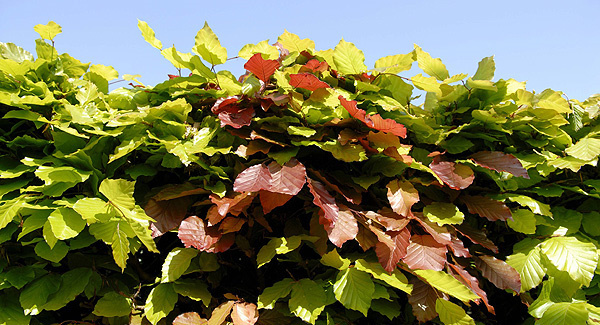
MY FAVOURITE hedge of all is beech. And it is during this season that for me it really comes into its own, enveloping gardens and the countryside in its chocolate brown leaves.

Beech of a hedge idea

It’s rustling dryness heralds the end of summer and early autumn, and announces dramatically that we are now in the final season of the year.

Nothing for me sums up the winter scape in Ireland and Britain more than this annual leaf turn. Beech hedges are interesting in that the tree, Fagus sylvatica is deciduous, but when several are grown together as a hedge they hold their dead, brown leaves throughout the winter, only to lose them as the new fresh green leaves emerge during bud blast next spring.

So a beech hedge won’t leave your outdoor room with bare walls during the winter, rather it offers so much more by giving the entire space its winter look. If you wish, plant some Holly or Photinia Red Robin through the beech to give the hedge an extra dimension.

Maybe you are starting a new garden or eventually getting around to repairing the damage caused during the winters of 2010-11, or replacing a blight destroyed Escallonia, or maybe even, removing something like the dreaded Leyland hedge, (because it consumed yours and your neighbour’s garden of living space and sunlight).

Whatever the reason for the job, if you are looking at planting a new hedge, now is the perfect time to do it. Soil temperatures are still relatively warm, and as plants are entering their dormant season, they will have a great chance to get established in their new home before they start actively growing next spring.

Traditionally all plants sold from nurseries were supplied ‘bare root’. Now a lot of plants are grown in pots and are available all year round. The only plants that continue to any degree to be supplied ‘bare root’ are hedging plants and some trees.

Hedging supplied in this manner can only be sold when it is safe to lift from the ground and while the exact dates for this period are determined by nature and weather, they are lifted mainly from November to early March.

Don’t be confused then when I tell you that all these hedging plants and trees are also available in pots 12 months of the year and will thrive whenever they are planted, provided the right steps are taken. Primarily this means good quality compost and enough water for the first 12 months.

The main reasons that the bare root tradition remains is that plants tend to be cheaper, (if smaller), when sourced and savings can add up if planting a hedge of a few hundred or more plants. Also some people believe that bare root plants establish better in the soil. I think I would argue the toss on that one.

Whichever way you decide to source your hedge, potted, bare root or cuttings that you take yourself, the far more important question is which variety is the correct hedge for your requirements?

A quick checklist is: what height and spread do you want from your hedge; how quickly will it achieve these dimensions; is your site sunny or shady; damp or dry; is your site windy or sheltered; coastal or inland; do you want evergreen or deciduous?

Beware of quick growing varieties as while these may seem ideal, they will not stop just because you have reached your desired height. A quick growing hedge will be ever thus and will require large amounts of maintenance, well into the future.

Perhaps opt for a slower growing variety and either wait the extra few years, or source larger specimens from your local garden centre. This may seem like an expensive option, but is it really? Do you want your site to be wide open while you are waiting for smaller specimens to mature?

No matter how expensive you go I would wager it will still be cheaper and so much more attractive and environmentally sound than building a wall.

Beech is my favourite but there is another hedge I also adore and it is not grown nearly as much as it should be and that is the Quercus ilex, also called Evergreen Oak and Holly Oak. It makes a beautiful, slow-growing evergreen that will tolerate all but the most severe of conditions. So if beech isn’t turning your garden on, make it your business to see the Evergreen Oak.

WORK FOR THE WEEK

THE garden is a place for us to enjoy and to relax, but always remember that it is home to myriad wildlife, and whilst some may be unwelcome, the vast majority of fauna that call your garden home can help you to be more successful as a gardener.

Hedgehogs and the larger birds will tackle your slugs, and snails and ladybirds will eradicate your greenfly problem next summer, so help them now to enjoy a safe and comfortable winter in your garden.

Piles of logs or purpose-built hedgehog houses will encourage them to hibernate for the winter in a safe haven in your garden.

Bird feeders and nesting boxes will encourage a wide variety of birds.

Ladybird towers will provide an over-wintering refuge for our spotted friends.

x

More in this section

Revoiced

Newsletter

Sign up to the best reads of the week from irishexaminer.com selected just for you.

Cookie Policy Privacy Policy Brand Safety FAQ Help Contact Us Terms and Conditions

© Examiner Echo Group Limited