Feeling crabby? Make jelly
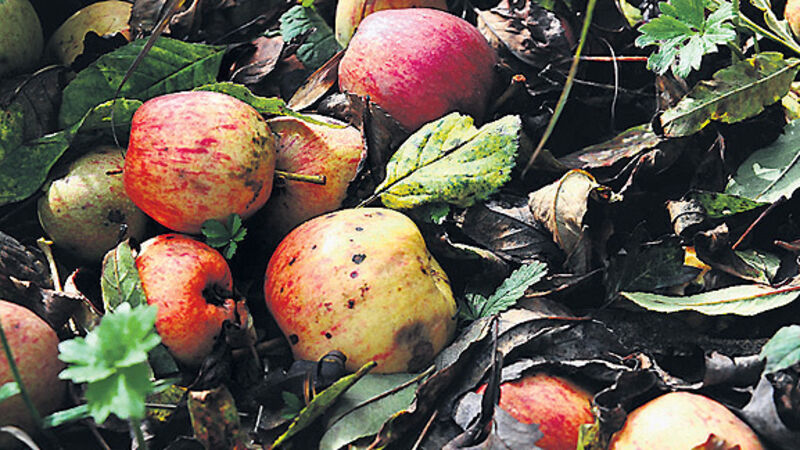
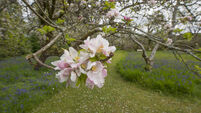
Munched straight from the tree, or transformed into sumptuous desserts, sauces, jams, jellies, chutneys, crumbles, tarts, pies, puddings, dumplings, juices, wine, vinegar or cider, the uses for apples are as abundant as the fruit itself. Today’s apple varieties originate from their wild ancestor, as Gaeilge, ‘an crann fia úll’ (the wild crab apple tree). It is one of our native Irish trees and in times past, it was an integral part of the oak wood forests. Under Brehon Law, the crab apple tree was identified as one of the ‘Nobles of the Wood’ because of the importance and value of its humble fruit.
Our ancestors relied on the apple to stay healthy and apple cider vinegar continues to be revered for its restorative properties. Apples are rich in vitamins and are said to strengthen the metabolism, balance digestion, stimulate blood production and aid in the metabolism of fats. Their diuretic properties help cleanse the system and can stimulate appetite. Apples contain sugars, amino acids, magnesium, iron, potassium, and vitamins C, B and B2. They are also rich in tartaric acid and pectin, which makes them an ideal addition to jams and jellies. Many folk legends associate the apple with beauty, long life and restored youth. In Bach Flower remedies, crab apple is used to help balance feelings of self-dislike, despondency, obsessions, fussiness and anxiety.


CONNECT WITH US TODAY



Be the first to know the latest news and updates