Hedgerow’s harvest home
ONE of the unsung annual highlights of the Irish countryside is our hedgerows.

Hedgerow’s harvest home

During the coming few months, these unobtrusive ecosystems will literally come to life. We can often fail to notice what’s under our very nose, but take a drive through rural Ireland with a foreign tourist and you’ll hear their amazement at the amount of different plants growing wild on the roadside.

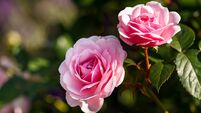
And if you stop for a moment and look you’ll see that our ditches are chock full of plant life. Bluebells, cowslips and primroses in the spring and early summer, through to the recently finished foxgloves and honeysuckle, along with blackthorn, whitethorn, holly, hazel, spindle, privet and wild roses, they’re just some of the flora you will find in an Irish hedgerow.

And I haven’t even mentioned what are probably the most well known and favourite of these plants, the fuchsia and, of course, the orange flowers of montbrieta, (Crocosmia x crocosmiiflora).

Both perennials are now synonymous with Ireland and in particular the south west but interestingly, neither is native to this country. The fuchsias that we all know and love from the highways and byways of West Cork and Kerry are varieties of Fuchsia magellanica, namely ‘Riccartonii’ and ‘Mrs Popple’ and less frequently the beautiful very pale pink ‘Alba’ and are native to Central and South America.

The first fuchsia grown in Britain was brought from South America to Kew Gardens in London in 1788 where it was kept in a glasshouse for several years. It was over 30 years before nurserymen really started developing new species and cultivars which really caught the public imagination.

The crocosmias, on the other hand, come originally from Africa and the story of how they naturalised in Ireland is an interesting one. The leaves of the plants were commonly used in the 19th century as packaging around foodstuffs and coffee beans, and when the products were unpacked as they arrived in Ireland, much of the leaves, (many of which had the little bulbs attached), found their way into our hedgerows.

Whilst montbretia is a vigorous plant — you might nearly call it a bully — it has certainly become in many ways ‘more Irish than the Irish themselves’. It has really made itself at home in the south and west of Ireland with many more well-behaved and dramatic flowering forms now widely available.

Earlier in the summer these havens of flora and fauna, hedgerows, will have been alive with the purple of foxglove or digitalis to give it the correct name. This plant, which grows wild all over Ireland and has become entwined with Irish folklore, is very important medically. The extract of digitalis is used in a drug to regulate heartbeat and taken by millions everyday.

Dramatic examples like this illustrate how dependant we are on our natural environment, which in turn depends on us for survival. Oak and willow each support over 400 species of insects, with hawthorn providing a home to 200 species. Nature has a way of taking care of all and nowhere is this better illustrated than in our native hedgerows where many species provide food for birds and other wildlife during the winter months.

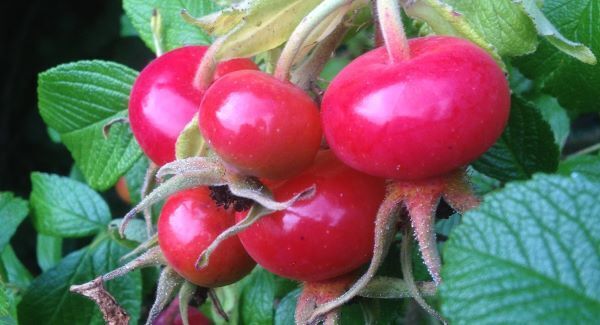
Guelder rose, with its beautifully coloured red berries, is loved by birds who in turn digest and spread its seeds, ensuring the future of the species.

Evergreens such as holly with their thorny leaves, provide safe refuge for birds to nest as well as also providing a food store of berries during winter.

But leaving aside the importance of these habitats for their contribution to biodiversity, they are just such a beautiful aesthetic feature of the Irish countryside, because they offer something during each season. We should try to copy nature in our own garden and plant something for each season to make it a little more than just an area to enjoy during the summer months.

And, of course, in the same way as our gardens aren’t just ornamental, hedgerows also provide food for humans as well as all the animals — nature’s own little allotments.

I was driving back from Carrigaline last week when I saw several people harvesting the rich bounty of the roadside, who, probably in a matter of hours, would be enjoying homemade blackberry jam.

I hadn’t seen this in years and it brought me straight back to my own childhood, foraging along the sides of fields and roads for food for free. I don’t know how much ever got back to the house as most of what we picked ended up in our mouths but we had such fun during the warm sunny August days.

When next you are out, either in the car or on foot, admire what is all about and appreciate what beautiful wonders of nature we live amongst and do your best to enjoy them and help them thrive.

More in this section

Revoiced

Newsletter

Sign up to the best reads of the week from irishexaminer.com selected just for you.

Cookie Policy Privacy Policy Brand Safety FAQ Help Contact Us Terms and Conditions

© Examiner Echo Group Limited