Sewing the seeds of contentment
Once upon a time, lettuce was simply lettuce. Now, however, Butterhead, Batavia, Cos, Crisp Head, Loose Leaf and Winter, with their hundreds of sub-varieties, are the norm. From risqué Roxy and Drunken Woman lettuce to twee-titled ‘Marvel of Four Seasons’, vegetable names can be just as intriguing as their unique tastes and appearances.
If you ask any seasoned vegetable grower which varieties they chose, they will be sure to list off their tried and tested favourites. Ask another gardener and you’ll probably get a different list.
The good news is that the longer you garden, the better you become at knowing exactly which varieties work best for your soil, climate and taste buds. So, if you are new to edible gardening and do not yet have your favourites, here are a few tips to help get you along the way.
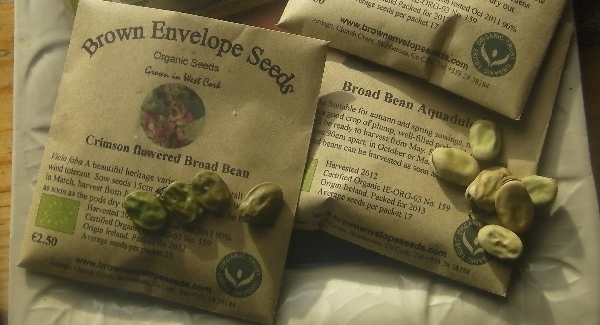
My advice is to shop local, as seeds saved and trialled in Ireland, will be most suited to growing in Ireland. Brown Envelope Seeds (brownenvelopeseeds.com) in West Cork and the Irish Seed Savers Association (www.irishseedsavers.ie) in Co Clare have lots of great varieties of Irish saved seeds to choose from.
Home gardeners who have witnessed their precious vegetables succumb to disease or pests know only too well the devastating heartbreak that entails. One helpful preventative measure is to use varieties that contain resistance to certain diseases or pests, without compromising flavour.
Examples include: in potatoes, Sarpo-Axona and Sarpo Mira are blight resistant; parsnip Javelin is resistant to canker; pea Greenshaft is resistant to mildew; and carrot Flyaway has a higher resistance to carrot root-fly. Some vegetable varieties are slower to bolt, such as beetroot Boltardy and lettuce Fatima.
Open-pollinated vegetable varieties are those that will grow true from seed. In other words, the seeds saved from these, once sown, will produce replicas of the parent plant.
Open pollinated varieties tend to mature over a longer harvest window and are a must for self-reliant gardeners who wish to save seed.
These vegetables have been cultivated for generations for exactly that reason and besides taste, most have other benefits such as productivity, winter storage and hardiness while some of the older varieties also possess a natural resistance to pests and/or diseases. By definition, heirloom varieties are open-pollinated.
On the other hand, hybrid varieties (often designated F1) will not grow true from seed, as they are the result of a cross between two different varieties of the same plant species, selected for desirable traits.
Cross breeding has been a common practice for centuries and is not to be confused with genetic modification. Hybrids tend to possess ‘hybrid vigour’ and have consistent, uniform yields and cropping time. This is very important for the mechanical harvesting of 2,000 heads of lettuce in one day, but certainly less critical for the home grower. Hybrid seeds are more expensive and cannot be used for seed saving. I tend to mostly use open pollinated varieties and only grow F1’s for particular vegetables, such as Squash Crown Prince (F1), which will occupy the ground for a long time and stores exceptionally well.
One last piece of advice is to ensure you keep a pen, paper and diary to hand to take note of what does well, tastes great and what doesn’t. With these factors noted, you will soon establish your own tried and tested list of greatest garden hits.

CONNECT WITH US TODAY



Be the first to know the latest news and updates