New build numbers are moving in right direction
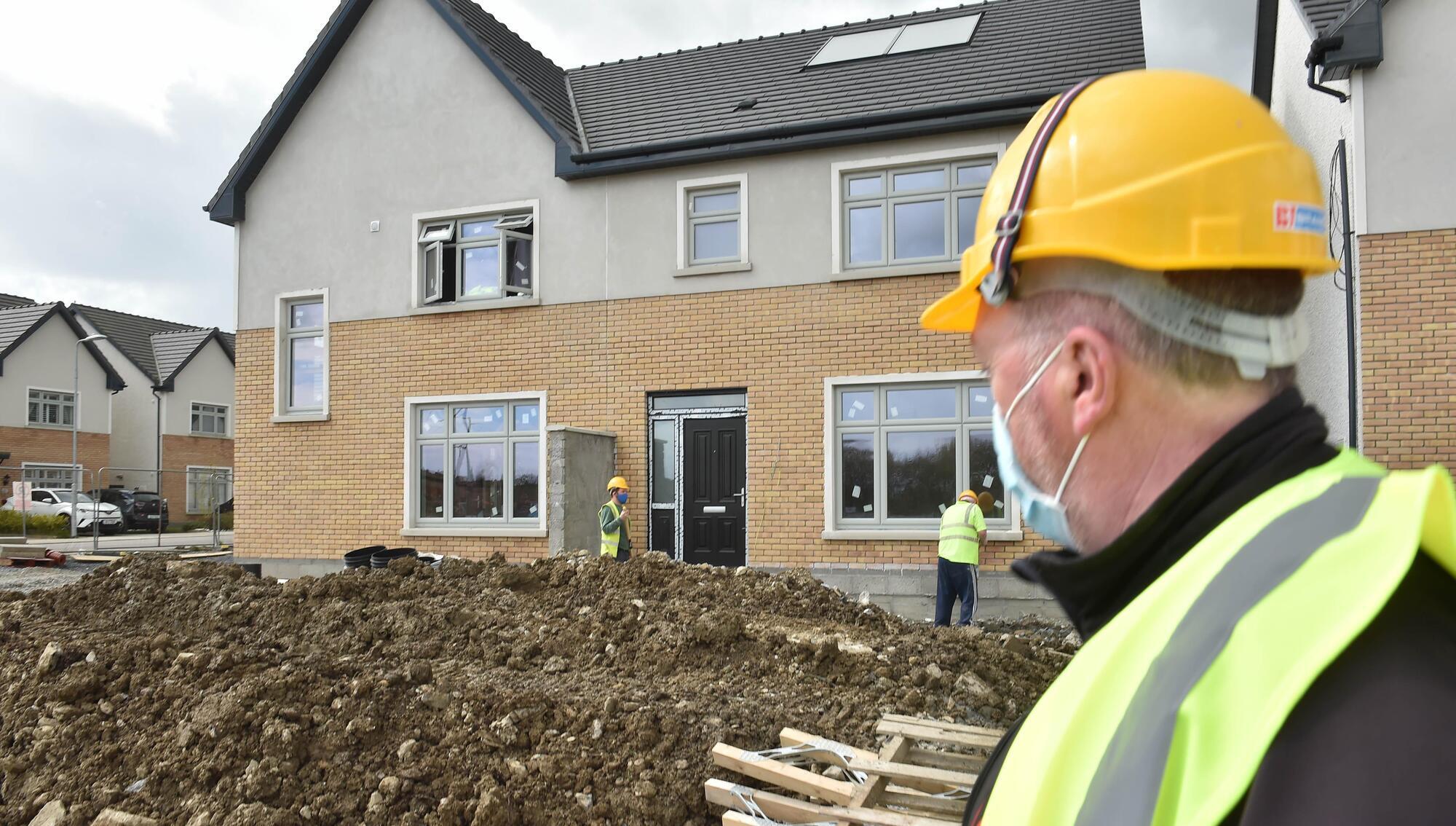
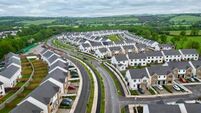
Ireland is heading for 40,000 house completions by the end of 2026.
The numbers are starting to tell the story – the Irish housing market is moving mostly in the right direction for home hunters, with output on the increase, Q2 planning approvals also on the up after a slow first quarter in 2026, and the rate of house price inflation starting to slow down to 5% to 6% pa, in line with a partial quietening in some sectors of market activity.
Coming to the start of this year’s last quarter, housing output numbers over a rolling annual basis were tipping towards 38,000 units, almost certain now to reach or top 40,000 by year’s end, as predicted by a range of authorities.
And while national tallies for planning applications and planning grants don’t automatically translate into housing starts and, eventually and crucially down the line in more completions, they do indicate a direction of travel: back on track.
Central Statistics Office (CSO) figures for Q2 planning approvals (released in mid-September) showed an increase in the total number of dwelling units, up 60% to 11,912 units, compared with the 7,447 approvals in the same Q2 period a year earlier in 2025, and compared to 8,092 in Q1 2026.
Perhaps more tellingly, this 60% jump also meant approvals rose to the highest number of units approved in the past five years, since Q4 2021 when they were higher still, at 13,450 units granted.
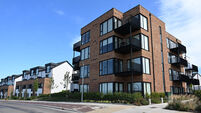
After a dip in apartment plannings sought and granted, numbers for this housing type appear destined to be back on the ‘up’, as the number of apartments granted planning permission in Q2 2026 rose by 107% compared with the same quarter in 2025.
In contrast, the total number of house approvals was up by 33%. Of these, the number of one-off houses rose by 6.2%, up from 1,157 units in Q2 2025 to 1,229 units in Q2 2026, according to the CSO.
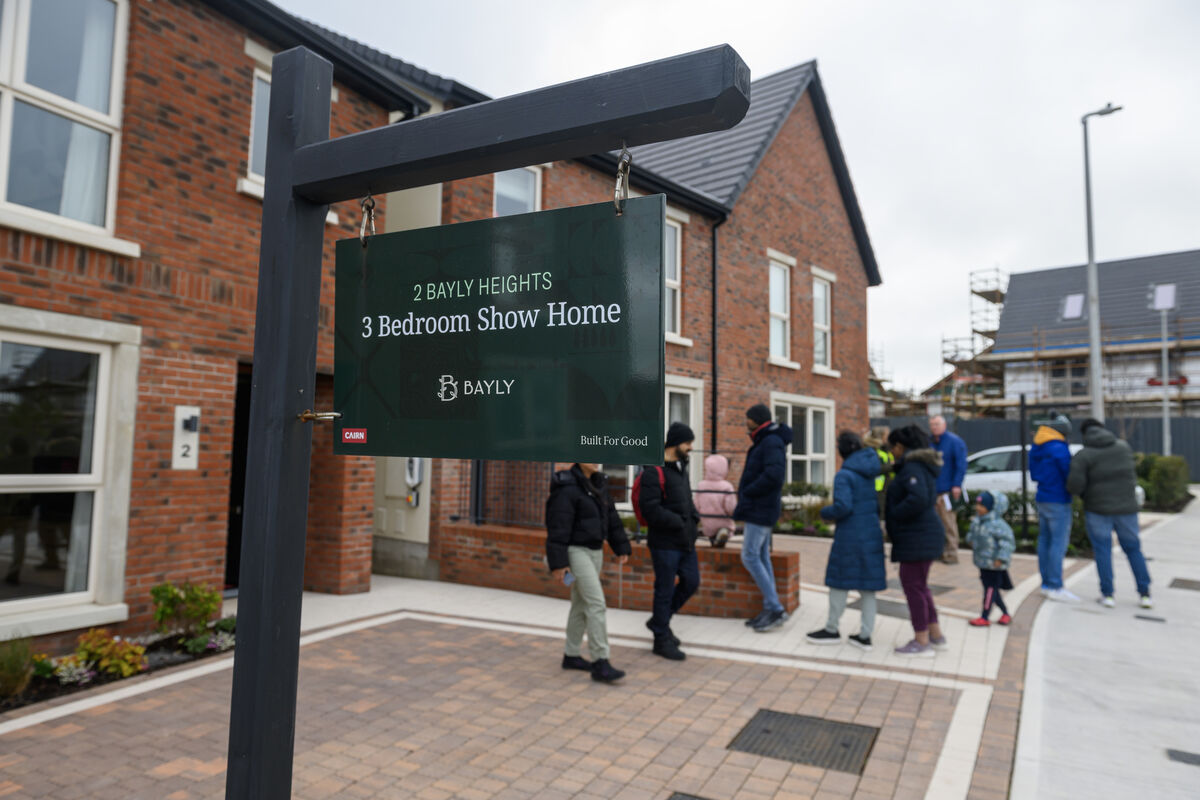
Not unsurprising, Dublin led the surge in apartments, up 95% from 1,233 unit to 2,414 units while the capital’s overall number of grants was up 78% in Q2.
After Dublin’s four local authorities, Cork showed the next largest number of approvals, up to 3,234 units and what was also noticeable in Cork was the shift in ratio of apartments to houses due to a number of significant plannings previously lodged: In Cork, apartment approvals rose 302%, from 441 to 1,775, while houses approved were also up, by 92.7%, for 1,459 houses, compared to 757 houses in Q2 2025.
Part-explaining the continuing rise of apartments was the 157% increase in Strategic Housing Developments (SHD) dwelling units approved, up from 2,465 to 6,345 units: that’s a sizeable chunk of the quarter’s overall 11,912 grants.
Of this SHD sum, the number of apartments approved was up by 230%, compared to a hike of 85% in the number of houses approved.
Minus the apartment bulge, the South-West region (Cork and Kerry) accounted for the highest number of houses (1,536) granted planning in this year’s Q2 figures.
While grants, and delivery/completion, numbers are visibly on the up – yet falling far short of the c 50,000 completions needed on an annual basis – another shift continues to evolved, and that’s the fact that new home sales to households (ie private buyers) as a proportion of completions have fallen across every region of the country, recently pointed out by the Banking and Payments Federation Ireland (BPFI).
They note the percentage of output going to private buyers has dropped from 61% to 41% since 2019: back in the mid 2000s, it’s likely 80% to 90% of housing output was acquired by owner occupiers/private investors.
“In recent years, a notable feature of the Irish housing market has been the growing role of non-household purchasers in the residential property market,” noted BPFI’s chief economist Ali Uğur in recent weeks.
“Despite a significant increase in residential construction activity, a substantial proportion of new housing output has been acquired by institutional investors, local authorities, approved housing bodies (AHBs) and other non-household buyers. This has coincided with a sharp increase in the number of private and AHB tenancies, which increased by about 52,000 or 20% in the three years up to June 2026, according to data from the Residential Tenancies Board," added Mr Uğur.

“As a result, the share of newly completed homes available for sale has declined. New home sales to households as a proportion of completions (excluding one-off houses) have fallen across every region of the country, with the national ratio declining from 61% in the twelve months ending Q1 2019 to 41% in the twelve months ending Q2 2026.
“The trend has been particularly pronounced in Dublin, where the ratio fell from 55% to just 25% over the same period,” noted the BPFI, in a report where they acknowledged continued growth in mortgage activity, to 21,132 mortgages valued at €6.8 billion drawn down in the first half of 2026. That represented year-on-year increases of 5% in volume and 10% in value.
First-time buyers (FTBs) remained the main driver of the market, with the value of FTB drawdowns up 10.5% over the same period, reaching a record €4.1 billion, “reinforcing their central role in supporting housing demand,” said the BPFI, predicting “continued growth in housing output should support increased mortgage lending, particularly among FTBs.”
“However, the scale of that growth will depend not only on the number of homes completed, but on how many are available for sale to owner-occupiers. As more new developments come to the open market, mortgage supply, particularly among FTBs, is likely to strengthen further.”
Looking to 2027, market observers continue to expect output to build to and past 40,000 units per annum towards the grail of 50,000+ pa, but still of concern is the percentage of schemes approved but not started months if not years after planning green lights, showing continuing if not growing challenges around provision of infrastructure, financial viability, and construction/labour capacity.


CONNECT WITH US TODAY



Be the first to know the latest news and updates