New homes: Buyers focus on access to parking
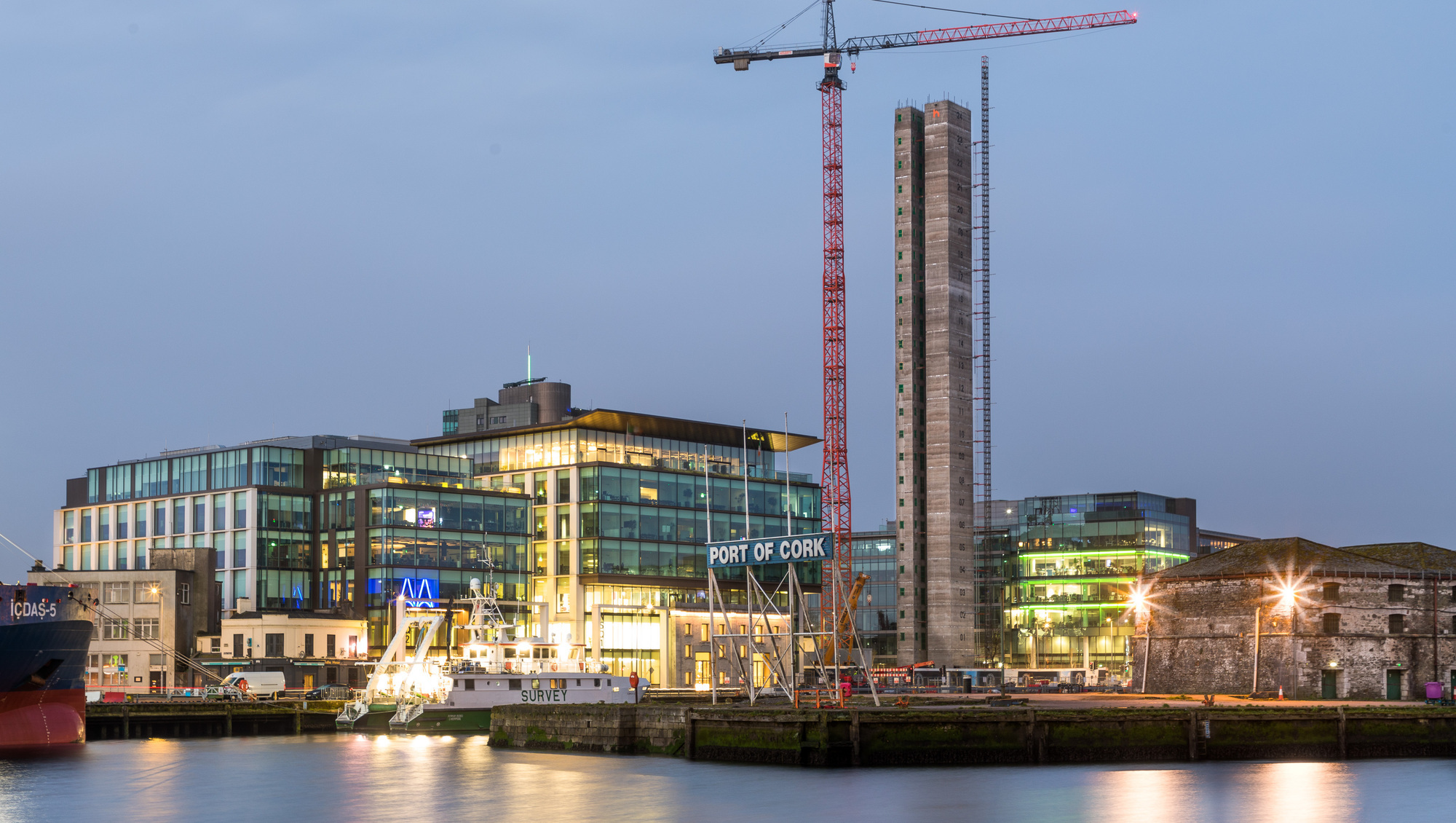
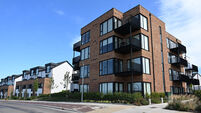
Cork City, Cork, Ireland. 07th April, 2026. A view of the new Railyard building, with the lift and stair core rising on the site of the former Sextant Bar in Cork. Once complete, the Railyard will stand 85.5 metres tall, becoming the tallest residential building in Ireland. - Picture: David Creedon
We all know quite a bit about road rage, that unreasonable rush of blood to the head because of some driving or transport transgression by any and all road users.
Transgressors and those transgressed against may be pedestrians of all ages and mobilities, commuters, cyclists or car owners and drivers…. and often the rising level of road rage can be almost irrespective to the actual real level of threat, danger, offence or ignorance of and from perceived offenders: we can see red, and turn the air blue.
As Ireland’s housing market continues to evolve, might a new form of road rage emerge specifically relating to the once-humble and almost taken-for-granted car parking space?
And at what level of housing need will access to car parking determine a home-hunter’s priority listing when looking for a roof over their head?
Will a covered bike space or an adjacent bus make the difference or hit the mark? It might for the young and mobile, but what about others including the elderly?
What about those with mobility issues, short or long term? Parents of young children and their care and carers' needs?
What about those who need their car, or van, for work and gear to carry?
Where might visitors travelling from places that aren’t walkable or cyclable for them, or coming from areas not near public transport, be able to park up?
What about tradespeople coming to do maintenance or other on-site/at your home work? Where do online order delivery drivers park up?
The likelihood of a new form of road rage emerging over future parking issues and stresses is a considered ‘yes,’ as the impact of the 2024 Sustainable Residential Development and Compact Settlements Guidelines continues to roll-out in new homes delivery. These introduced a more flexible approach to density and housing design, one of whose aims was to minimize or even eliminate car parking in more accessible locations.
Access to public transport and wider location services issues can be a pivot in determining car parking ratios for residential and other developments going into the future, as we take a wider acceptance that a car-dependent society is not sustainable, either in terms of land use, build costs and on environmental grounds.
But, moving forward naturally brings friction as there’s often a mis-match between policy and delivery of alternatives, sort of putting the cart before the horse, and the car before the bus, a Dublin metro or a Cork LUAS, or safe end-to-end cycle lanes.
In Leeside, and rapidly rising up next to Páirc Ui Chaoimh, the substantial apartment scheme Marina Quarter, with the first four blocks of 337 units advanced out of 1,178 approved for developers Glenveagh/the LDA will have in total 448 car spaces, a ratio of c 40 spaces per 100 homes.
At a lower parking allocation are the 307 new apartments coming to completion at Cork city’s Horgan’s Quay: they have just 50 spaces to be shared between them, at 17 spaces per 100 apartments, again on the reasonable logic that it is so city central, as well as being beside Kent rail station, the bus station and within a walk/cycle of so many urban amenities and services.
But, coming in with Zero parking spaces is the 25-storey, 217 Railyard apartment tower with homes going to the social and affordable housing sector in a deal done by developers JCD Group with Cork City Council: how that parlays into a parking crunch in the quayside and Albert Road locale has yet to be seen, with O’Callaghan Properties now also likely to follow a similar little, or no-parking, path with the LDA on the old mills site on Kennedy Quay.
When overspill parking issues arise, as they almost certainly will, it won’t just be the cynics pointing to the fact that City Hall still has reserved parking for its own day-time staff....
However, that’s reducing from a figure of c.250 car parking spaces for c.1,500 employees five years ago as sites like the rear of St Joachim and Anne’s come for development, driven by the local authority in conjunction with the LDA.
That site, by Anglesea Terrace, housed 40 surface-level operational/staff parking spaces for the City Council, and will be replaced with a 147 apartment social and affordable apartment scheme going on site from 2027, again with zero parking.
Increasingly, home hunters across all sectors will have to factor their current and future motor needs, including EV charge point access, if any, with other location decisions.
And, there will be unavoidable overspill issues onto existing home owners and settled neighborhoods, which will ensure a further squeeze on increasingly scarce places to park, and yes, red rage issues down the road.


CONNECT WITH US TODAY



Be the first to know the latest news and updates