Letters to the Editor: Garda station closures leave us all exposed
Letters to the Editor: Garda station closures leave us all exposed

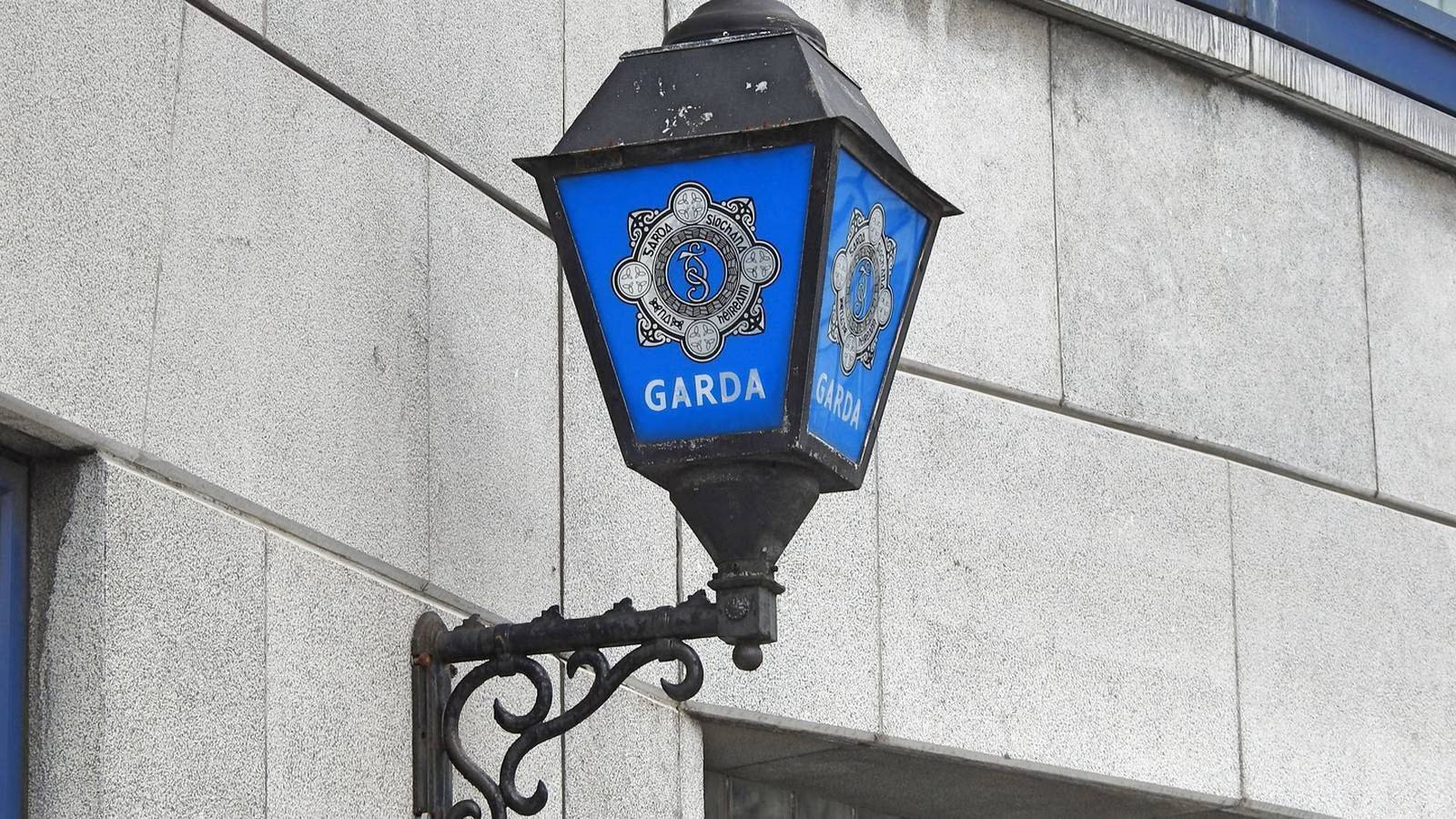
According to the most recent figures released, one in 10 garda stations is left unmanned. The concentration of unmanned stations is mostly in rural areas. File picture

The closure or unmanning of rural garda stations has, like rural post offices, had a huge impact on communities. Some 139 stations were closed across Ireland, with the vast majority (roughly 130+) shuttered during a major consolidation programme in 2012 and 2013.

While hundreds closed, a smaller number were sold, with over 40 stations sold off as of 2019, and some remaining in State ownership or transitioning to community use.

Bike sheds and security huts that have caused major controversies over overspends cost multiples of garda station closures and delivered less. 

According to the most recent figures released, one in 10 garda stations is left unmanned. The concentration of unmanned stations is mostly in rural areas.

In Donegal, we have seen six stations that were manned now no longer manned.

Those are stations like Ballintra, Burtonport, Ramelton, Rathmullan, and Carrigart, while Kilmacrennan and Creeslough have limited opening hours. Then there are stations such as Glencolmcille, Dunkineely, Glengad, Malin, Churchill, which were closed permanently, and subsequently sold.

The savings for Government were minimal while the rural populations were left exposed.

Donegal, prior to the transformation and policing model, had four districts that were overseen by superintendents; these were amalgamated into two regions, Donegal North and South.

The county at present has 432 gardaí covering a large rural area, with a population, according to the last census in 2022, of 167,000 approximately, growing to 180,000+ come next census. The number of gardaí in the county has not increased commensurate with the population growth.

It is well down from the 468 we had in 2009, or the 462 we had in 2020. The number of frontline gardaí, countrywide, has fallen by 600, even with the attempts to accelerate recruitment.

Retirements, resignations and terminations have all fed into falling numbers, as well as secondments to specialist units, such as drugs, cybercrime, detective branch ARU, and so on.

All of the counties outside Dublin, have a total of 8,250 officers covering a population of 3,990,446.

That shows that DMR has over 50% more officers pro rata than the rest of the country put together.

One must also take into consideration that most senior, or middle management ranks, and some uniform members, are not operational per se, but are more administrative.

This reduction of frontline garda uniform numbers has a knock-on effect on delivering policing and community safety that we all desire.

Proclamations from senior Garda management, the minister for justice, or the academics in the renamed Policing Authority, is that under the present operational model/framework, they are delivering on all aspects of policing, should be taken with a pinch of salt.

When you close garda stations, even in rural areas, you lose that vital contact with the local communities.

You lose that all important community engagement, intelligence, and most importantly, knowledge, that has taken decades to build up. This will be lost forever.

Now it is time for a reset, and reinvest in new garda stations, or reopen those that have closed, in areas that are vital to rural communities, and not offer the cheap option of garda vans, coming in like chip vans, offering a quick snack, that fills you short term, but has no long lasting effect.

Christy Galligan (Retd Gda sgt), Letterkenny, Co Donegal

Cork’s hedgerows are under threat

Drive down any country boreen this week and you will feel it before you see it — the greenness of the overhanging trees, the scent of hawthorn and furze, that deep bodily sense that the world is, for a moment, in order.

Then the hedgerow is flattened or non-existent. The trees butchered. The green is replaced by the orange-brown stain of Roundup — a neurotoxin sprayed for good measure.

This is happening illegally. Under the Wildlife Act, hedgerow cutting is prohibited between March 1 and August 31 to protect nesting birds and feeding pollinators. Fines apply. Yet enforcement remains inconsistent, and those responsible know it.

Cork’s hedgerows are living infrastructure — corridors connecting habitats, sheltering stock, filtering water, holding soil.We are losing them fast with barely a murmur of protest. A national treasure with no protection.

If you see illegal cutting, report it to your local garda station or the NPWS wildlife ranger for your area (npws.ie). And perhaps ask your county councillor why the law is not being enforced on their watch.

Margaret O’Connor, Millstreet, Co Cork

EU is failing to defend its citizens

I want to commend Shona Murray for her brilliant column in last Saturday’s Irish Examiner (‘EU still fails to defend citizens despite overturning of sanctions against Albanese’, May 16).

It is incredible to think that the UN Rights Council Special Rapporteur Francesca Albanese was sanctioned in July 2025 after she publicly criticised Washington’s policy on Israel’s genocidal war against the Palestinians in Gaza.


Despite having an American daughter, this woman up till recently was banned from travelling to the US and had no access to banking or her own earnings.

Thankfully a US federal judge in Washington DC found that Albanese’s residency outside of the US does not undercut her protections under the first amendment of the US constitution.

The judge found that she did nothing more than speak her mind, and was only expressing her opinion.

It’s my contention that the EU’s perceived weak support for international criminal justice institutions largely stems from institutional limitations and what I believe to be the tension between national sovereignty and global enforcement.

I would assert that under EU treaties, Europe lacks a unified, standalone federal criminal code or police force.

I believe that its authority is limited to co-ordinating and setting minimum rules across member states, thus leaving the investigation and prosecution of crimes entirely to individual national systems.

It would be true to say that member states jealously guard their judicial sovereignty.

I especially note that in areas of foreign policy and international justice, EU decisions require unanimity.

This makes it challenging to take a strong cohesive stance, even if one member state objects to prosecuting specific gaps.

While the EU verbally champions the International Criminal Court, civil society and legal experts often criticise the lack of robust financial support required to execute large-scale prosecutions.

I would be the critical of the EU for sometimes sacrificing strict accountability in favour of broader geopolitical , trade, or indeed security partnerships.

This often leads to accusations of a double standard in how human rights violations are addressed globally.

Shona Murray is on the money when she says that the EU is still failing to defend its citizens.

John O’Brien, Clonmel, Co Tipperary

More in this section

Revoiced

Newsletter

Had a busy week? Sign up for some of the best reads from the week gone by. Selected just for you.

Cookie Policy Privacy Policy Brand Safety FAQ Help Contact Us Terms and Conditions

© Examiner Echo Group Limited