Letters to the Editor: Profiteering on supply of electricity
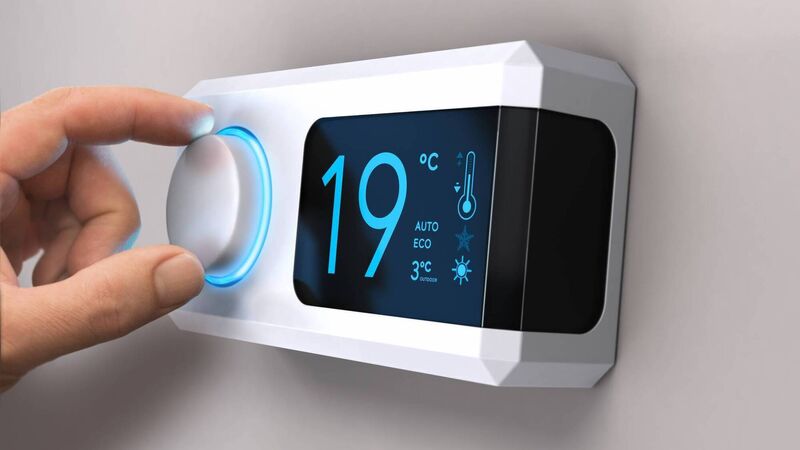
More visitors can raise the roof and the temperature. Try trimming your thermostat down by even 1C to save as much as 10% on the bill for electricity, gas, or oil. Picture: iStock
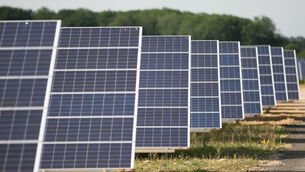
Watching TV sports channels of late, I noticed that among the most frequent and glossiest advertisements appearing were by electricity suppliers operating here in Ireland.
Under the privatised system of supply, Irish households have to pay to provide a profit margin for these entities.
The latest depressing data just released by the Commission for Regulation of Utilities is hardly surprising.
One in seven households was in arrears for electricity at the end of 2025.
That means more than 319,000 domestic electricity customers owed money on their bills in December 2025.
That represents a 19% increase in the number of people struggling to pay their electricity bills since the end of the previous year 2024.
These figures do not include the thousands of households that frequently have to endure disconnection when their prepay metre is not maintained in credit.
I suggest these matters are related, and the Government might consider intervening now and not allow an access-to-electricity crisis emerge as happened when all social and affordable housing was similarly left to the market.
Start by taking profit-making out of the provision of vital social goods.
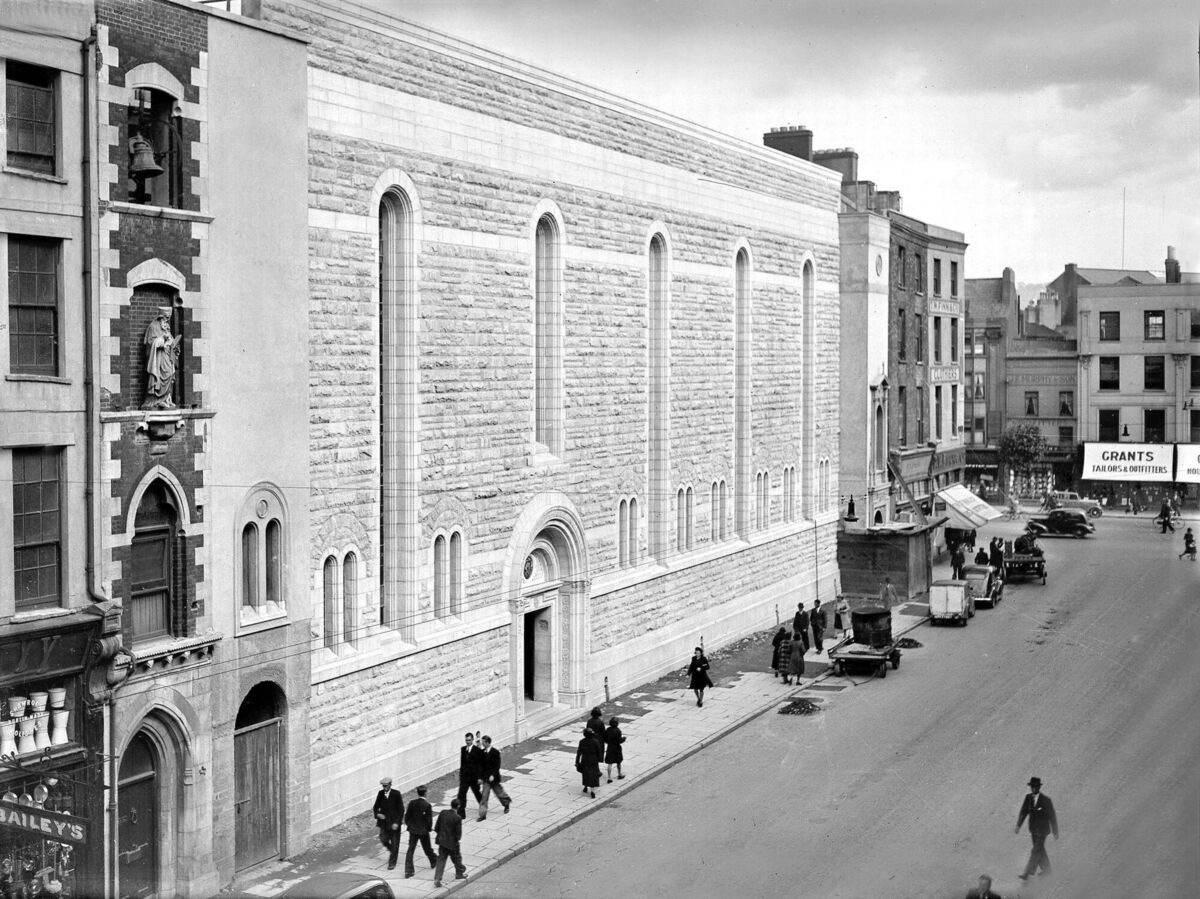
I refer to the report that the well-known St Augustine‘s Church in Cork City centre will close later this year because of the continuing stark decline in vocations to the priesthood — “Cork church visited by Pope to close later this year” ( , February 28).
This situation is mirrored all across the country as the Catholic Church’s ageing population of priests fades away through retirement and death, unreplenished by any new vocations amongst young people.
The stark fact is almost no young person is now prepared to consider the priesthood while mandatory priestly celibacy remains the rule.
Celibacy is a medieval administrative regulation that could be abolished immediately if the will was there.
Mandatory priestly celibacy is not enforced in other Christian Churches and is not even universal in the Catholic Church — our sister Eastern Orthodox Catholic Church allows priests to marry.
Indeed, the Catholic Church needs not abolish the idea of priest celibacy — just drop the mandatory requirement. If a young man considering a vocation to the priesthood wishes to take a vow of celibacy, let him. Of course, most young people would not choose celibacy.
I wouldn’t expect that dropping mandatory celibacy would induce a vast surge in vocations, but it might abolish the existing drought.
On the other hand, if something isn’t done soon we will run out of priests entirely.
Is the Catholic Church going to sink the ship for the sake of mandatory celibacy?
Last week, I watched RTÉ news coverage of Taoiseach Micheál Martin’s formal apology to survivors of institutional abuse.
I subsequently read the fulsome apology delivered from the heart by An Taoiseach on behalf of the people of Ireland.
The victims of abuse, brutality, and neglect were fully entitled to a State apology for the pain and suffering to which they were subjected.
I sincerely hope each one of them will take solace in Mr Martin’s remarks and the package of supports agreed for survivors of institutional abuse will bring them some comfort, healing, and closure.
In contrast to the survivors of abuse at State institutions, I have very fond memories of my education from the Mercy Sisters and Christian Brothers as a day pupil.
My teachers, both religious and lay, were fair-minded and enthusiastic.
Corporal punishment was permitted, but most of the physical punishment I took was delivered in good spirits on the playing fields.
I am forever grateful to the religious and laity who educated me and prepared me for a fulfilling life.
They were dedicated people, many of whom I remain friendly with.
I never personally experienced the brutality perpetrated on young people in industrial schools, reformatories and boarded-out.
I deeply regret that any young person suffered physical or sexual abuse at the hands of sadistic or paedophilic adults, lay or religious.
But I would ask people not to tar and feather all religious with the same brush.
There is a percentage of evil doers in any sample population.
In my experience, the vast majority of religious are blameless in their devoted lives of service to God and to man.
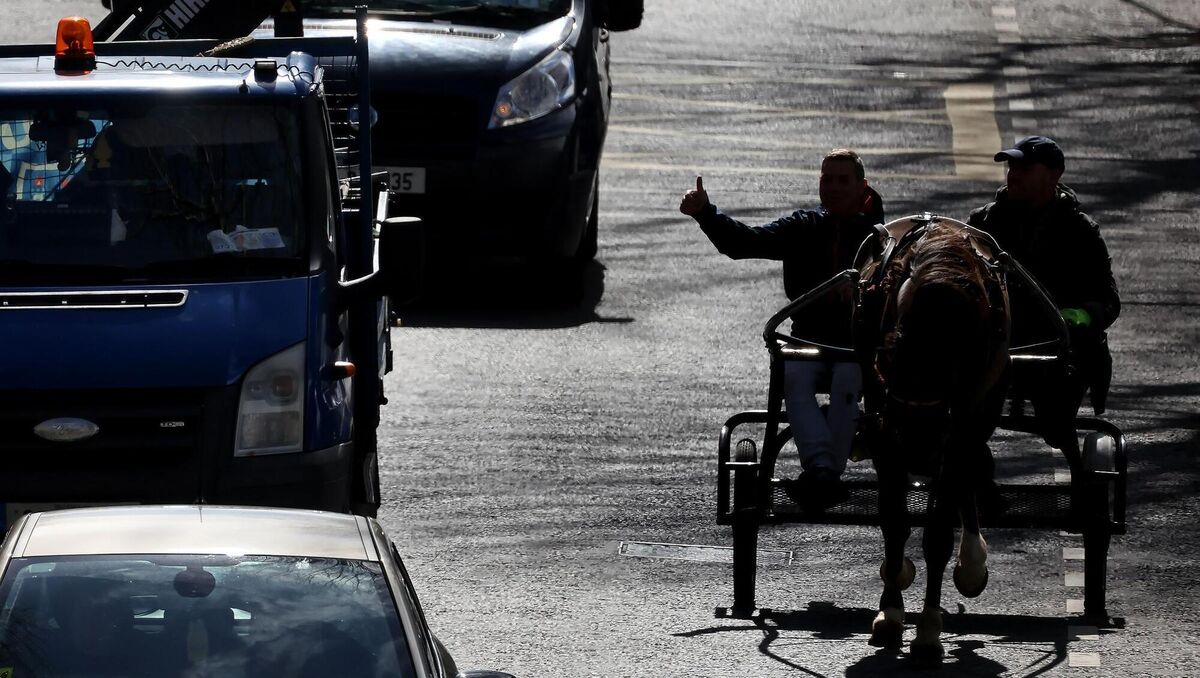
Thank you for continuing to highlight the recent horrific death of a horse and her unborn foal in Dublin.
I am grateful you raised the issue of the minister responsible in your editorial as it is unbelievable that this cruelty was deemed a transport issue — “Sulky racing on roads a significant danger” ( , February 28).
The Animal Health and Welfare Act 2013 clearly states “a person shall not cause unnecessary suffering to an animal or endanger their health and welfare” and yet silence from agriculture minister Martin Heydon, whose department is responsible for animal welfare.
The horse — named Anne by those who tried to save her — was not an inanimate object. She was not a bus or a taxi. She was a sentient animal who suffered horrendous cruelty in her short life.
Passing the buck to the transport department without addressing the cruelty involved in this case is unacceptable.
It speaks volumes to those advocating for animals in this country.
It tells me this Government doesn’t care about animal welfare and that the 2013 act is not worth the paper it is written on.
We are awash with cruelty to animals.
Fox hunting, hare coursing, greyhound racing, sulky racing, and puppy farming to name but a few, and all enabled by the State.
Come the next election, unless there have been significant improvements made for animals in this country, I will be using my vote at the ballot papers to say “on your bike” to those in power.