Letters to the Editor: UK Conservative Party leadership contest diverts from real issues

UK Conservative party leadership candidates Liz Truss and Rishi Sunak ahead of a recent TV debate.
As Emma DeSouza cited in her recent article on the sad passing of David Trimble: “The dark shadow we seem to see in the distance is not really a mountain ahead, but the shadow of the mountain behind.” — Northern Ireland needs today's politicians to live up to Trimble's example (Irish Examiner, online, July 26).
Like many other moderate Conservative voters in Britain, I am suffering from election fatigue because of the continuing blue-on-blue action in UK leadership debates.
However, I’m much more worried about the issues that are either being swept under the carpet or completely ignored ‘whilst Rome burns’; there are several ‘dark shadows in the distance’:
- The Northern Ireland Protocol Bill, which breaks international law, is setting the UK on a course towards a trade war with most of Europe and IP status (International Pariah) with the rest of the world. David Trimble’s sad passing reminds us of the fragile foundations upon which the peace he helped negotiate rests.
- The Australian trade deal, passed through Westminster without the promised scrutiny. This threatens farmers, food security and ultimately democracy in Britain.
- The stealth privatisation of the British National Health Service is using Covid and backlogs to suggest that the NHS cannot cope and that, therefore, the answer is to scrap it in stages.
The leadership contest may well be yet another ‘dead cat’ to divert attention from the tsunami of strategic issues facing UK plc.
Changing the leader does not change the underlying problems. The elephant in the room remains. Its name starts with a ‘B’.
I am scratching my head here; the older I get, the less I understand what’s going on.
Our next taoiseach, Leo Varadkar, has many times expressed the opinion that the Irish beef herd should be culled for the benefit of the planet.
Cows producing methane gas is a major environmental problem, we are warned.
Humans do this also, so could we be in the crosshairs, and next in line, for the benefit of the new mad vision of a brave new world?
What does Mr Varadkar expect will happen if the beef-eating industry is destroyed?
Next, when the price has risen sufficiently, enterprising farmers in another part of the world, Argentina perhaps, will grab the opportunity to supply the European market with its own beef.
Where is the net gain for the planet then, especially when we consider the CO2 emissions created by transporting the product halfway across the world?
Meanwhile, as 40,000 European farmers protest on the streets over similar proposed cuts in Dutch agriculture, are we meant to resign ourselves to a diet of grubs and insects?
Or am I missing something which is obvious to a snot-green mindset which sees the future world food supply as coming exclusively from the chemist laboratories, complete with best before dates, and warnings that if we want to eat meat we should consume our pets first, and then become vegan?
Saoirse Brady, executive director of Irish Penal Reform Trust, had an interesting letter published recently — Penal reform benefits society as a whole (Irish Examiner, July 18)
The primary focus seems to be concern for the wellbeing of convicted criminals.
As a taxpayer, I would like to express my concern at pandering to convicted criminals.
I was brought up to believe the law was there to protect the law-abiding citizens — and punish those found guilty of law breaking.
It now seems the law breakers have manipulated the system so that the law is manipulated to protect criminals and harass, intimidate, bully, and humiliate victims of crime.
It seems primary concern is for welfare and wellbeing of criminals — and victims of crime are ignored/forgotten.
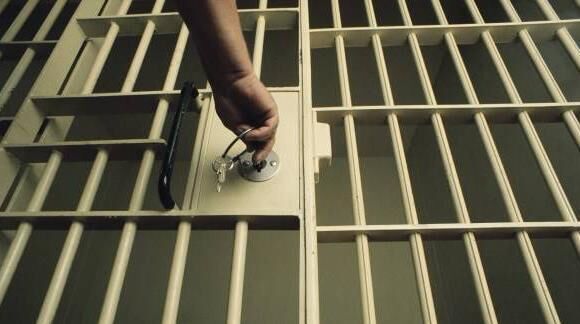
We already have criminals provided with medical attention and counselling — in addition to at least four-star accommodation.
They have access to sports facilities, TV channels including sports and Netflix. Now, they have telephones in the cells.
In addition the taxpayer also takes responsibility for the families of convicted criminals.
One must wonder what has our prison system been transformed into? A rest home for convicted criminals?
At a time when law-abiding citizens are struggling to feed families and pay bills, convicted criminals sit back and have benefits paid for by the taxpayers.
I suggest we need to revert to basics. Prison should be a place of punishment — a place of deterrent — that criminals would want to avoid. Not the hotel-type facilities now provided.
Taxpayers of Ireland, let us all, and this includes government ministers, hear your views.
That Liz Truss believes her success is a result of what she believes was a poor comprehensive school tells you a lot about her conservatism.
She tells us that some of her classmates did not thrive in the state system, that they were let down by some teachers — yet she did very well out of it — so what’s so different about her?
Is she smarter than them? Did she have more supportive parents? Is she naturally talented?
To judge your peers who have not followed the same path as you (your definition of success) and turn them into victims of a failing state system — I’m not sure if she is blaming Labour or Tory councils here — is disgraceful.
I doubt many members of the Conservative party who will vote for their next leader will have been to comprehensive schools; most will have been to schools where privilege and entitlement is ingrained.
I suspect this is the thing she is most angry about, her disadvantage at not really being in that exclusive boys’ club.
Why doesn’t she join the Labour Party? Or the Lib Dems? Neither of those parties would look down on her self-declared commoner status.
And she would have much to add to their manifestos as she does seem to understand what it is like to be less privileged by education or family wealth.
The sentencing of Lisa Smith, a former member of the Irish Defence Forces, in Dublin last week highlights an ongoing issue for many European states as they attempt to deal with their citizens returning from areas once held by the Islamic State in Syria.
Up to 40,000 foreigners willingly joined the Islamic State and in turn, married and had families. Lisa Smith was one of those individuals.
Three years after the defeat of the Islamic State’s so-called Caliphate, 55,000 family members of Isis fighters are still detained at Al Hol and Roj camps in the desert areas of North East Syria, 93% are women and children, half of which are under 12 years of age.
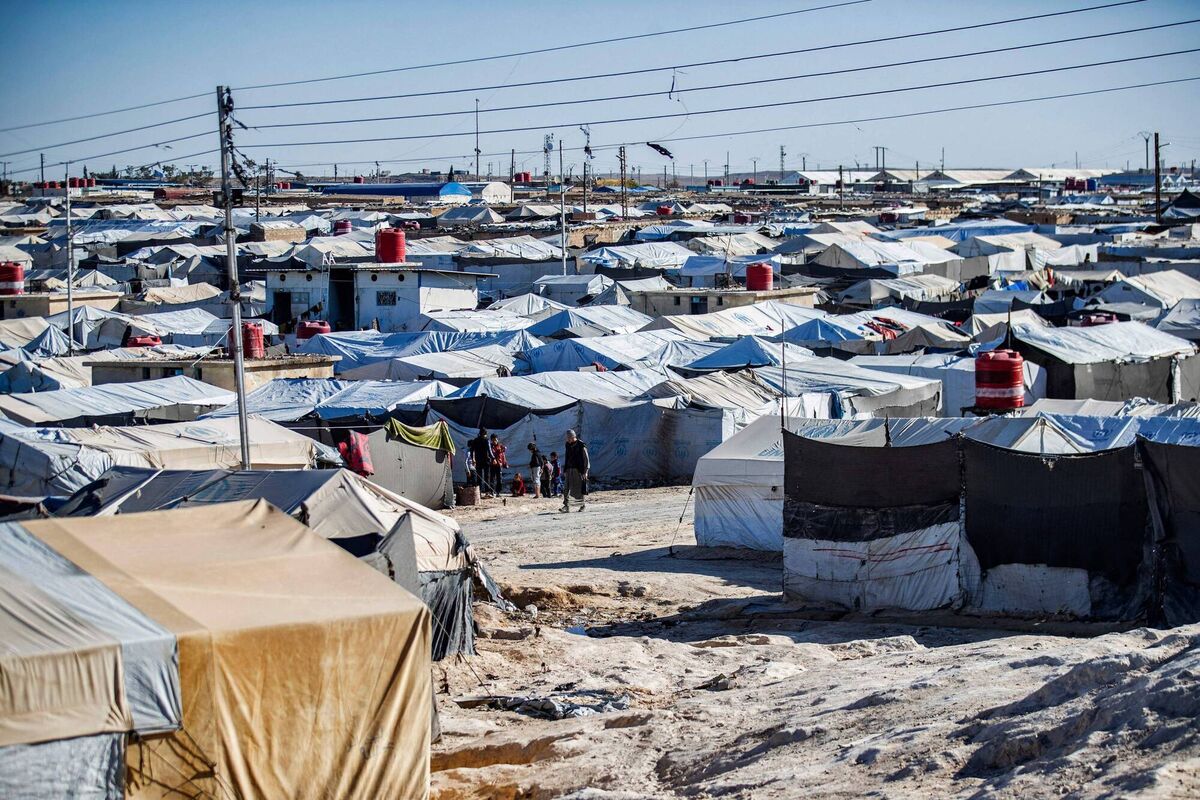
The bulk of detainees comprises citizens from Syria and Iraq, with a further 10,000 third country nationals from 51 different states.
Despite the best efforts of international humanitarian agencies and the Kurdish Syria Democratic Forces, the sites remain extremely dangerous and primitive.
Over the past year, there has been a dramatic increase in security incidents at Al Hol, resulting in deaths and injuries committed by detainees against inmates within the camp.
Regardless of the legal considerations, repatriation remains the only long-term solution.
Ireland must play its part within the UN Security Council to ensure the burden is shared and states take their nationals home without delay.
Aside from a necessity to respect fundamental human rights, the international community needs to tackle the festering hatred being instilled in young minds.
By neglecting the women and children in Al Hol and Roj camps, they also ignore that these sites remain a toxic environment for extremism and a longer-term security risk globally.