Irish Examiner View: Drumcree march controversy unearths old bitterness
The world looked on in sheer disbelief at the rekindling of the bitter acrimoniousness that fuelled the Troubles in Northern Ireland.
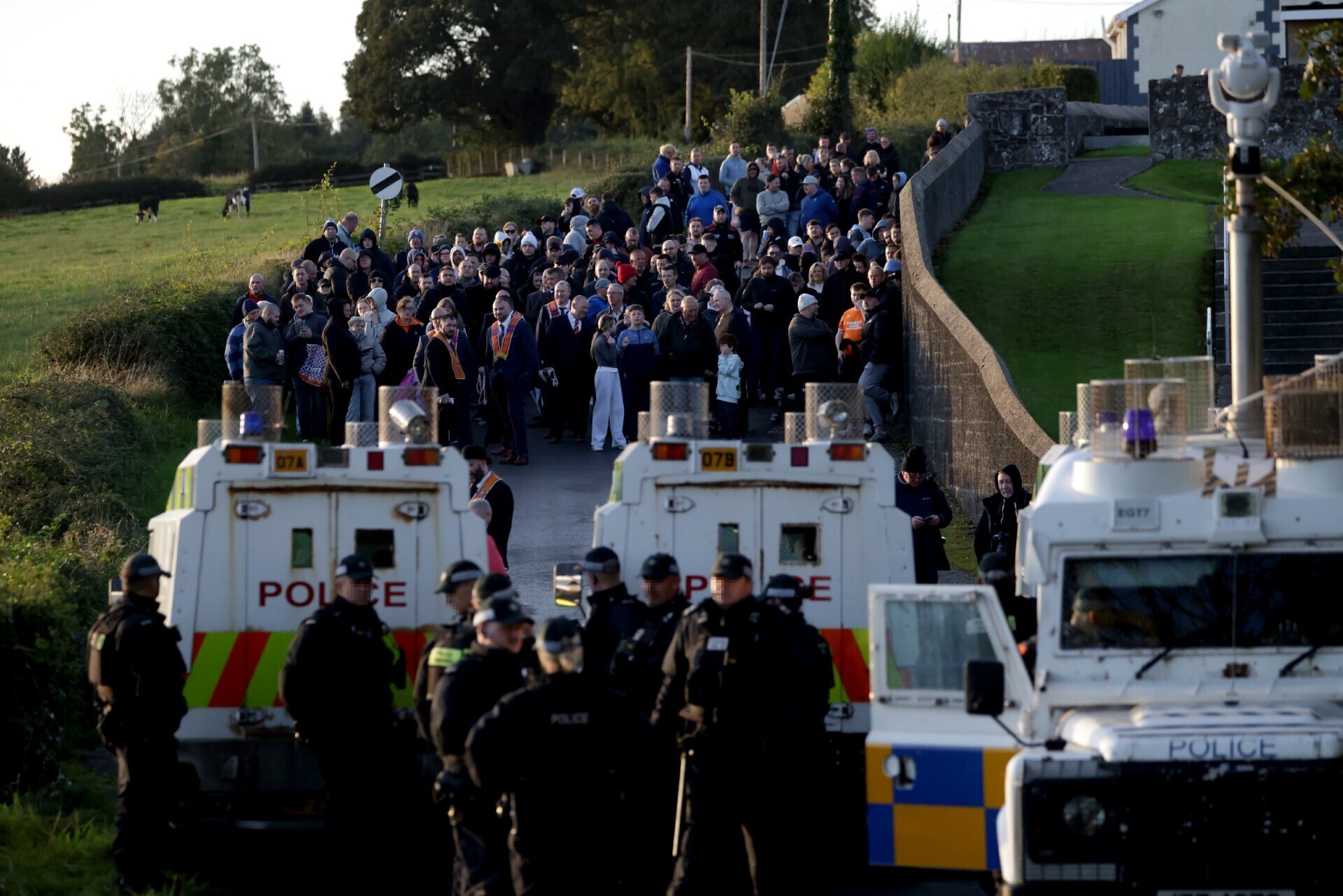
Orangemen gather near Drumcree Church as police form a barricade to prevent them from entering the Garvaghy Road, where members of the Orange Order were due to take part in the first return parade on the road for almost 30 years. Picture: Peter Morrison/PA
Orangemen gather near Drumcree Church as police form a barricade to prevent them from entering the Garvaghy Road, where members of the Orange Order were due to take part in the first return parade on the road for almost 30 years. Picture: Peter Morrison/PA

The sectarian divisions that have remained stilled for nearly 30 years erupted on Friday in all their ugly bitterness following the perplexing decision by the Northern Ireland Parades Commission to allow the Orange Order march down the Garvaghy Rd in Portadown.

As the world looked on in sheer disbelief at the rekindling of the bitter acrimoniousness that fuelled the Troubles in Northern Ireland, few observers — either local or international — thought that the ethno-nationalist conflict which roiled the province for nearly 40 years and cost the lives of more than 3,500 people would ever be seen again.

The decision by the Brethren of the Orange Order’s Portadown No. 1 Division to undertake this incendiary march through the Catholic stronghold on the town’s Garvaghy Rd was mysterious in its own right, raising valid questions as it did about the motives of those involved.

But the decision to legally ratify what was well known to be a sectarian flashpoint in a long-running conflict was doubly questionable.

The Orange Order must undoubtedly have known the outcome of their decision to march, and will have been delighted that the Parades Commission ratified it. But their decision to march brought to the surface old bitterness and divisiveness.

Every sane person in the outside world thought those days were long since gone and that the all-encompassing detail of the Good Friday Agreement would see the back of the terrible scenes of violence and recrimination on the Garvaghy Rd we saw in the 1990s as the Portadown District Loyal Orange Lodge insisted on its right to march from Drumcree Church to the centre of the town.

That their route took in one of the few Catholic bastions in Portadown on the Garvaghy Rd was always provocative. Even if, on this occasion, only 35 of the order’s members were due to take part, it remained inflammatory and confrontational.

Rest assured, this is a long way from being over as political parties once more resumed their traditional and unbending stance. The alliances in the Northern Ireland power-sharing administration in Stormont were unstable enough in recent times. They are about to be put back to the steadfast and unyielding positions they occupied 50 years ago.

Both the Irish and British governments need to act fast to ensure that does not happen. They need to act decisively and purposefully to stop this from descending into the mayhem we have witnessed for far too long.

No light at the end of the tunnel: Families in the dark over spinal surgery review

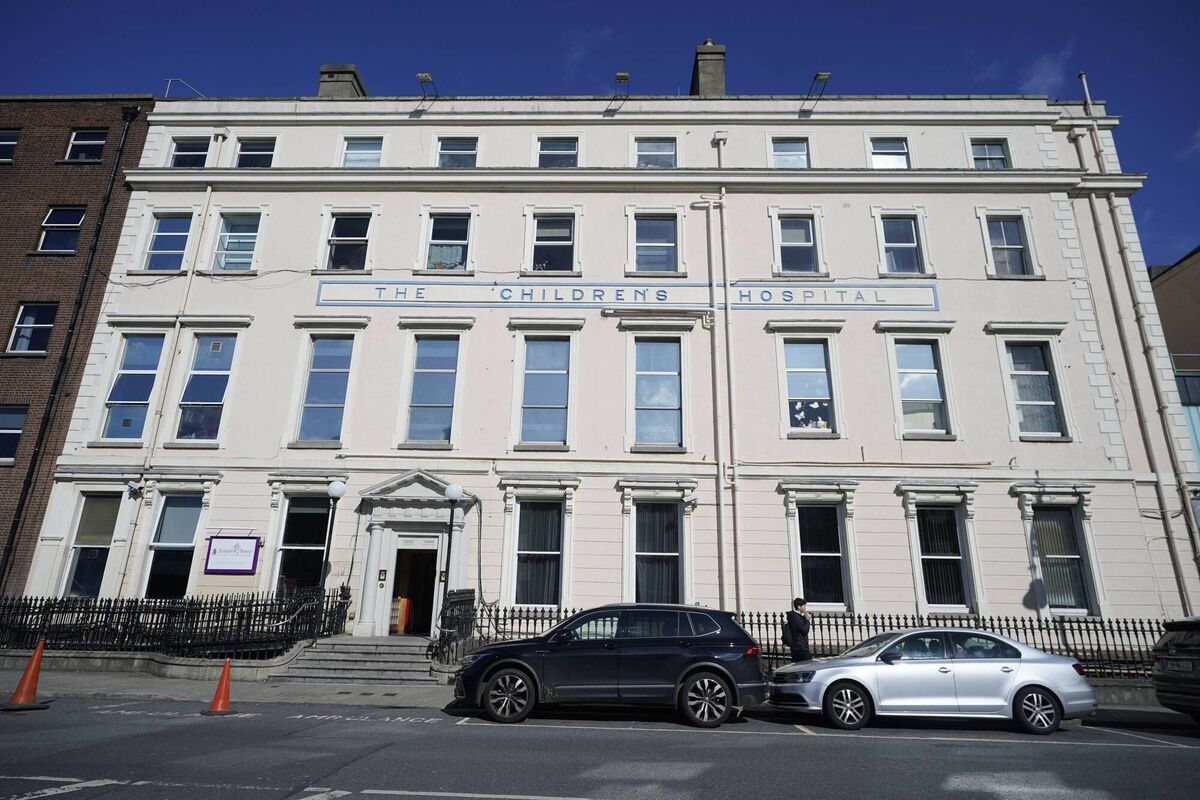
Temple Street Hospital in Dublin. An external review into spinal surgery at the children's hospital was ordered by the Health Service Executive. Picture: Niall Carson/PA

It serves little purpose that the review of the work of a spinal care surgeon at Children’s Hospital Ireland, which began in 2023 and continues still, remains incomplete.

As revealed in this newspaper last week, the review was supposed to take only one year, and yet it is still unfinished.

The review into the work of one spinal surgeon because of serious concerns about his work, including the use of non-medical springs implanted in three children, was ordered on September 18, 2023.

The HSE has revealed that the first phase of the review, being undertaken by English-based orthopaedic consultant Selvadurai Nayagam, had been completed and a second phase was ongoing.

This process was supposed to engage with the families of those children affected, but that has not been the case, and the Spina Bifida & Hydrocephalus Paediatric Advocacy Group (SBHPAG) maintain that they were told by officialdom that families would be looped in, recommendations would be made public, and no stone left unturned.

That has not happened, and SBHPAG says that — three years in — families are none the wiser and the process remains incomplete after what was supposed to be a speedy process.

This does nothing for those families and the children affected by the contentious surgeries.

That the group chose not to engage with the process because of the limit of its remit tells its own story. They, along with the Scoliosis Advocacy Group, had asked for broader terms of reference, but to no avail.

These are real people with real children in terribly difficult medical situations and very definite needs arising from that, but there appears to be no light at the end of their tunnel. 

European car industry threatened by Chinese EVs

The BYD Sealion 5.
The BYD Sealion 5.

The future of the once-great European car industry is being threatened by the fast-growing number of Chinese cars — and hybrids in particular.

Just four years ago, only 659 Chinese-made fully hybrid cars (HEVs) (where petrol or diesel engines are used to charge motors and batteries) were sold across Europe. In the first seven months of this year, that number shot up to 160,662.

On top of that, the sales of plug-in hybrids (PHEVs) (which can be recharged via an engine or an outside source) amounted to 217,764 — up from 56,706 in 2022.

Even though Brussels imposed anti-subsidy tariffs on pure electric cars from China in 2024, the Chinese march has continued unabated, causing alarm and crisis across the European industry. Volkswagen recently announced 100,000 job cuts and factory closures in an attempt to stem losses.

The Europeans are being beaten on price and technology and are being backed into a corner to make cheaper and more appealing vehicles. They are reacting, but it is a slow process.

Undoubtedly the European industry will fight back, and the consumer will benefit, but it is doing so kicking and screaming. It needs a more pragmatic and faster response.

More in this section

Revoiced

Newsletter

Had a busy week? Sign up for some of the best reads from the week gone by. Selected just for you.

Cookie Policy Privacy Policy Brand Safety FAQ Help Contact Us Terms and Conditions

© Examiner Echo Group Limited