Irish Examiner View: Benefits of rent-a-room scheme should not be underestimated

File Picture: iStock
File Picture: iStock

The Government yesterday launched a campaign urging homeowners to consider renting a room to students for the new academic year. On paper, the rent-a-room scheme looks like an almost perfect solution to two pressing problems: Families struggling with the cost of living can earn up to €14,000 a year tax-free, while students facing a severe shortage of accommodation can find a more affordable place to live, relatively close to college.

The fact that the scheme is so sensible in theory makes its limited appeal all the more perplexing.

The rent-a-room scheme has been in place for 25 years, launched in 2001 to ease rental shortages. Ten years ago, 100,000 householders living close to third-level colleges received an appeal from the Union of Students in Ireland to open their spare rooms to students.

 Despite repeated campaigns, however, the numbers taking up the offer remain modest. Only 18,000 homeowners in the country availed of the rent-a-room tax relief scheme in 2024, the latest full year for which figures were available, and several thousand of those rooms were rented by workers and other non-students.

The latest campaign spearheaded by higher education minister James Lawless is therefore attempting to overcome a problem that does not appear to be primarily financial.

Research reported in the Irish Examiner yesterday suggests that privacy is proving a more powerful consideration than the prospect of additional income. Almost two thirds of homeowners surveyed said they would consider offering a room in their house to a college student, but a slightly bigger proportion were put off by the prospect of having a stranger living in their home. From the students’ perspective, sacrificing personal space and privacy and accepting someone else’s rules and routines are real concerns.

These concerns are understandable. A home is not just an asset that can be used to bring in extra income, and neither the householder nor student should pretend otherwise.

However, neither should the potential benefits be underestimated, particularly as the provision of an adequate number of purpose-built student accommodation facilities is still years away. With clearer information and agreed expectations on both sides, the spare room in thousands more homes could become at least part of the answer to the student accommodation crisis.

DRCC research project: Positive models of masculinity

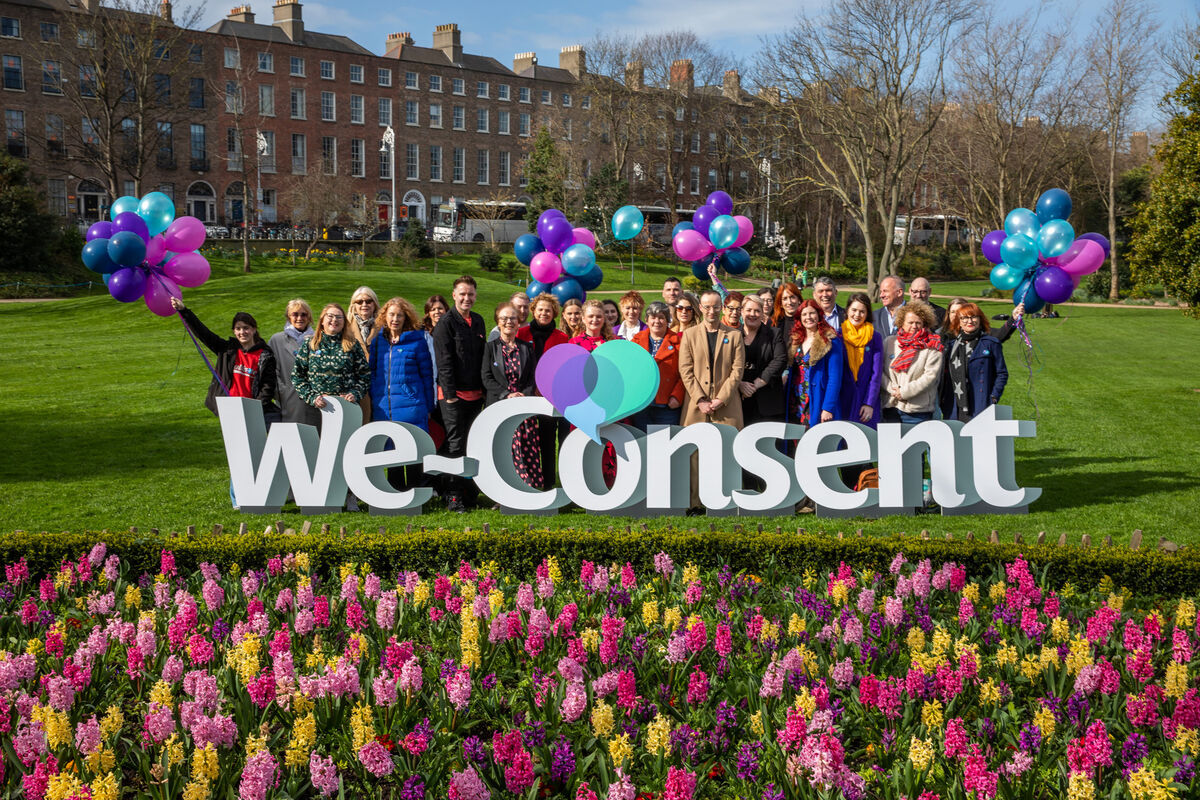
Dublin Rape Crisis Centre (DRCC), alongside the Minister for Justice, Simon Harris TD, and Community Foundation Ireland, launches We-Consent in 2023. Picture: Keith Arkins Media

Research into how men understand masculinity could hardly be more timely. Commissioned by the Dublin Rape Crisis Centre (DRCC), a new project will examine how men perceive and experience masculinity, and the influence of peers, family, media, online spaces, and sport. Among its aims is to identify attitudes and social norms that may contribute to, or protect against, harmful behaviours including sexual violence and a failure to respect consent.
The immediate purpose of the research is to provide evidence to inform the DRCC’s We Consent programme, but the findings will be of much wider interest. People working in education, justice, and youth and community services, as well as policy makers, are likely to find the research highly relevant. That is particularly so at a time when dangerous behaviour by young men has been prominent in the news.

The motorway crash that claimed the lives of five teenagers nine days ago has focused attention on the prevalence of high-risk behaviour among young males, including dangerous driving and the use of social media to broadcast such behaviour and impress their peers. Understandably, the immediate response of the authorities has been to work to enable gardaí to intervene to protect the public, and to hold social media platforms to account.

They are valid and necessary responses to a particular phenomenon. But a deeper understanding of how young men acquire their ideas about status, risk, masculinity, and acceptable behaviour is also essential if such behaviour is to be prevented.

An interesting aspect of the DRCC project is that it seeks to move beyond the traditional model of violence prevention in which men are framed primarily as a risk or a problem to be addressed.

As the research tender document puts it, the aim is to shift the narrative away from what masculinity is not — for example, ‘toxic’ — towards what it can be: Reflective, supportive, and emotionally literate. It is an important distinction. Understanding the pressures and influences that can produce harmful behaviour is very different to assuming that harmful behaviour is an inevitable consequence of being male. Understanding can help identify the positive models of masculinity characterised by consent, respect, and empathy.

The research is due to begin next month with the final report due in January. The findings of this important project are eagerly awaited.

x

Appetite for arts: Bantry centre gets go-ahead

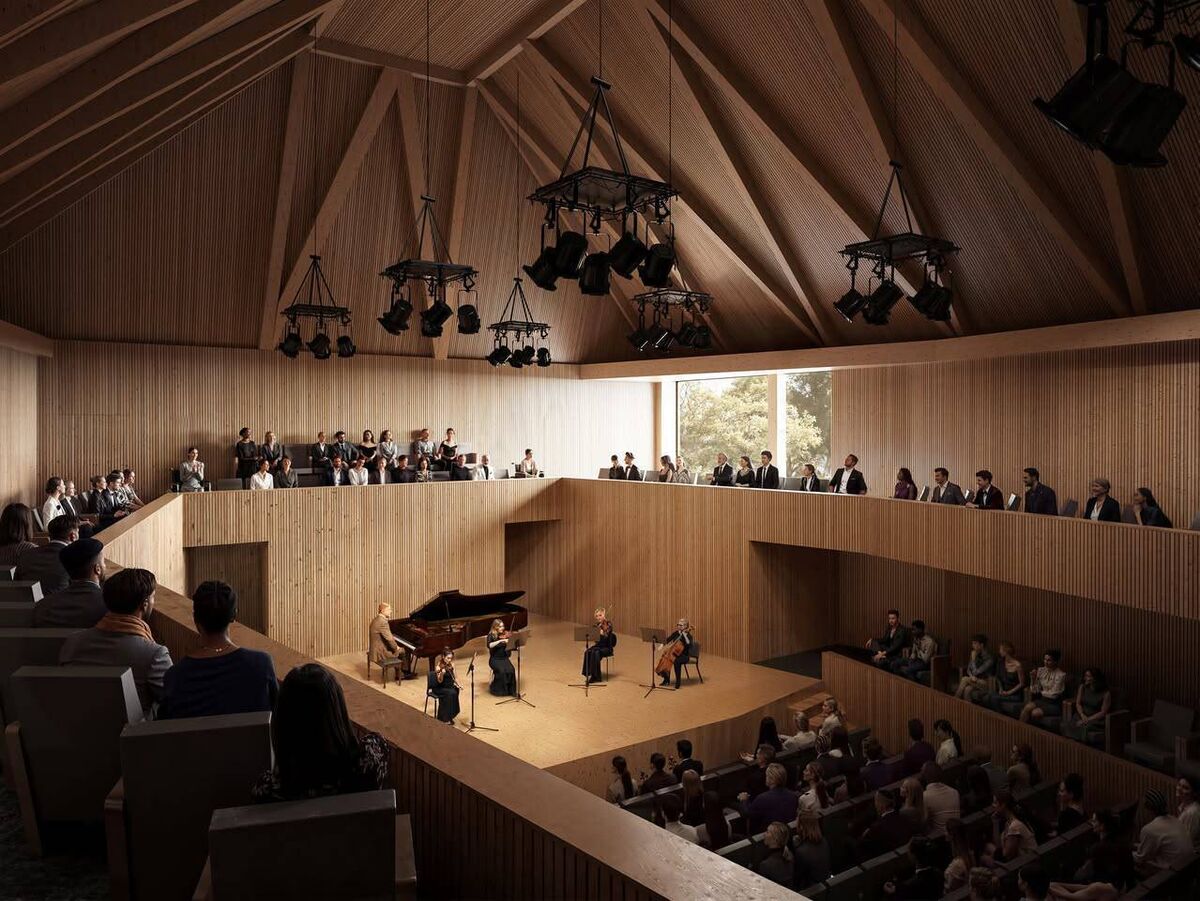
A CGI configuration of the approved 1,970 sq.m multi-functional arts centre, headed by West Cork Music in Bantry.

A dream that has been 30 years in the making has come a step closer to becoming reality with the green light being given for a new multi-million euro arts venue in Bantry.

Cork County Council has approved plans for the venue, which will include a 271-seat performance auditorium, a cafe, box office, and an education hub.

The ambitious project is the brainchild of West Cork Music, an organisation that grew from one which put on a modest concert series to a producer of major, world-renowned festivals on the edge of Europe. Its success demonstrates something important — that there is a real appetite and enthusiasm for the arts throughout this country.

It is telling that people continue to make room in increasingly busy lives for concerts, theatre, literature, and other forms of artistic expression. Whether the show is put on by the local amateur drama club in a community centre, or by a professional music group in a purpose-built theatre, it is likely that it will attract decent audiences. For many, engagement with the arts provides a welcome and uplifting respite from the daily grind.

However, the value of the arts goes beyond escape and entertainment. Performances bring people together, challenge us, enrich our communities, and provide those all-important opportunities to experience something collectively.

More in this section

Revoiced

Newsletter

Had a busy week? Sign up for some of the best reads from the week gone by. Selected just for you.

Cookie Policy Privacy Policy Brand Safety FAQ Help Contact Us Terms and Conditions

© Examiner Echo Group Limited