Irish Examiner view: Mortuary crisis is deeply concerning

The Sexual Violence Centre Cork has called for a standalone offence of spiking to be introduced.
The news that Dublin’s main mortuary is working at a level beyond full capacity should be of concern to all of us.
As reported here by Alex Cunningham, the raw statistics of the facility’s operations are frightening.
A former Garda station in Whitehall on the city’s northside, it was originally intended to carry out 400 autopsies every year, but it has already conducted 565 through the first six months of 2026.
Based on those figures it may be operating at three times its original capacity this year — an unsustainable level.
Little wonder that a Dublin funeral director described conditions in the mortuary as “a ticking time bomb”.
The potential for disaster here should not be overestimated.
Quite apart from the possibilities of mistakes and delays which may compound the grieving of families who have lost a loved one, police investigations and general inquiries may also be adversely affected.
If mortuary conditions are substandard, then such investigations and inquiries may ultimately be compromised.
This can hardly be described as a surprise.
In June, Dr Linda Mulligan, the chief state pathologist, told this newspaper that Ireland’s four full-time state pathologists were facing increased pressure as more hospitals pulled the plug on autopsy services.
She stated that the fallout from three Dublin hospitals — the Mater Hospital, St James’s Hospital, and Beaumont Hospital — closing autopsy services had led to the Dublin District Mortuary operating beyond its intended capacity.
The pressure on this mortuary must be alleviated as a matter of urgency: We cannot have a situation in which such services are not being provided properly , and it is hard to escape such a conclusion in this case given the sheer caseload involved.
Increased capacity to deal with that caseload must be provided, but this raises the spectre of a wholly different challenge.
Can we expect controversy down the line over the costs of a new mortuary, which seems inevitable anytime we attempt to build bespoke facilities?
The phenomenon of spiking — when drugs are slipped into unsuspecting people’s drinks while they are out — is one which often comes to prominence on the basis of a particular incident.
Two months ago, Ann Murphy reported here on the case of a mother whose daughter was believed to have been the victim of spiking and who called for a specific protocol on dealing with suspected spiking incidents.
Just last month, a well-known Cork solicitor was urging people to be wary on nights out after a family friend had her drink spiked while celebrating a friend’s engagement in a city pub.
This week, the Sexual Violence Centre Cork called for a standalone offence of spiking to be introduced, pointing out that a specific offence would raise awareness of spiking and encourage more victims to come forward.
The centre’s call came after it was revealed that almost 60 incidents of spiking were recorded by gardaí last year in the city.
This is a deeply disturbing statistic, not just in terms of the raw numbers of people involved, but given what it suggests about how common this practice is across the country.

If almost 60 such incidents were recorded in Cork, then how many instances of spiking are occurring in Ireland as a whole?
It was also interesting to consider the views of Mary Crilly of the centre.
She pointed out that she had “come across spiking 30-40 years ago, so it is nothing new” but added that there was no a malign twist to the practice, stating that spiking was being done through a game called “Take Them Down”, where victims see their drinks spiked purely for entertainment.
The logic behind spiking being declared a standalone offence is sound.
It is believed that when stalking was given a standalone classification that awareness of the offence grew, more people reported it, and the gardaí were better able to deal with it. A similar result with spiking would be welcome.
It is difficult to think of a more reliable breeding ground for clashing opinions in Irish society than the Rose of Tralee.
For years, discussions of the Kerry festival have ranged over familiar ground at this time of year — whether the competition is regressive or timeless, whether the entertainment is demeaning or empowering, whether the hours spent watching the Roses is a waste of time or a harmless, enjoyable entertainment.
It is worth pointing out that the festival has proven remarkably durable over the years.
When featured the “Lovely Girls” competition in an episode, one might have thought that such lampooning would prove the death knell for contests such as the Rose of Tralee, but it has endured.
Its defenders often point to the contestants themselves.
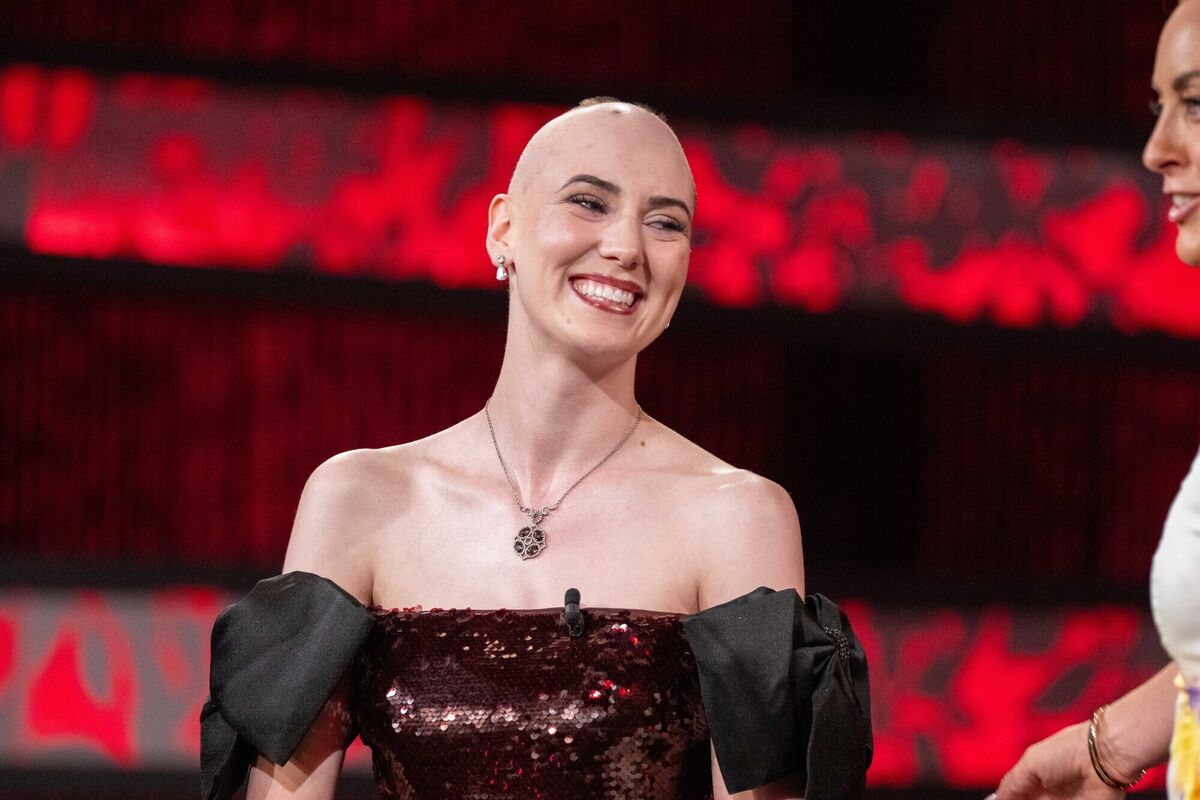
Last year the winner was Katelyn Cummins: Her day job as an apprentice electrician probably did more to showcase the trades as an option for women than a thousand government advertising campaigns.
This year’s winner, Caoilfhinn Ní Choiligh, is studying to be a wigmaker, having dealt with alopecia since she was 15.
Discussing her own hair loss so openly was no doubt inspirational to others who also have the condition.
It is reasonable to point out that the Rose of Tralee remains popular with attendees and TV viewers alike.
Given how it reflects Ireland in all its variety, perhaps we should not be surprised.
CONNECT WITH US TODAY



Be the first to know the latest news and updates