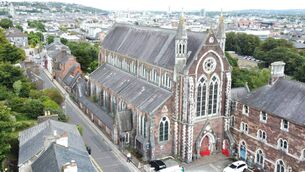
Irish Examiner view: Time to call tech support for Irish Rail
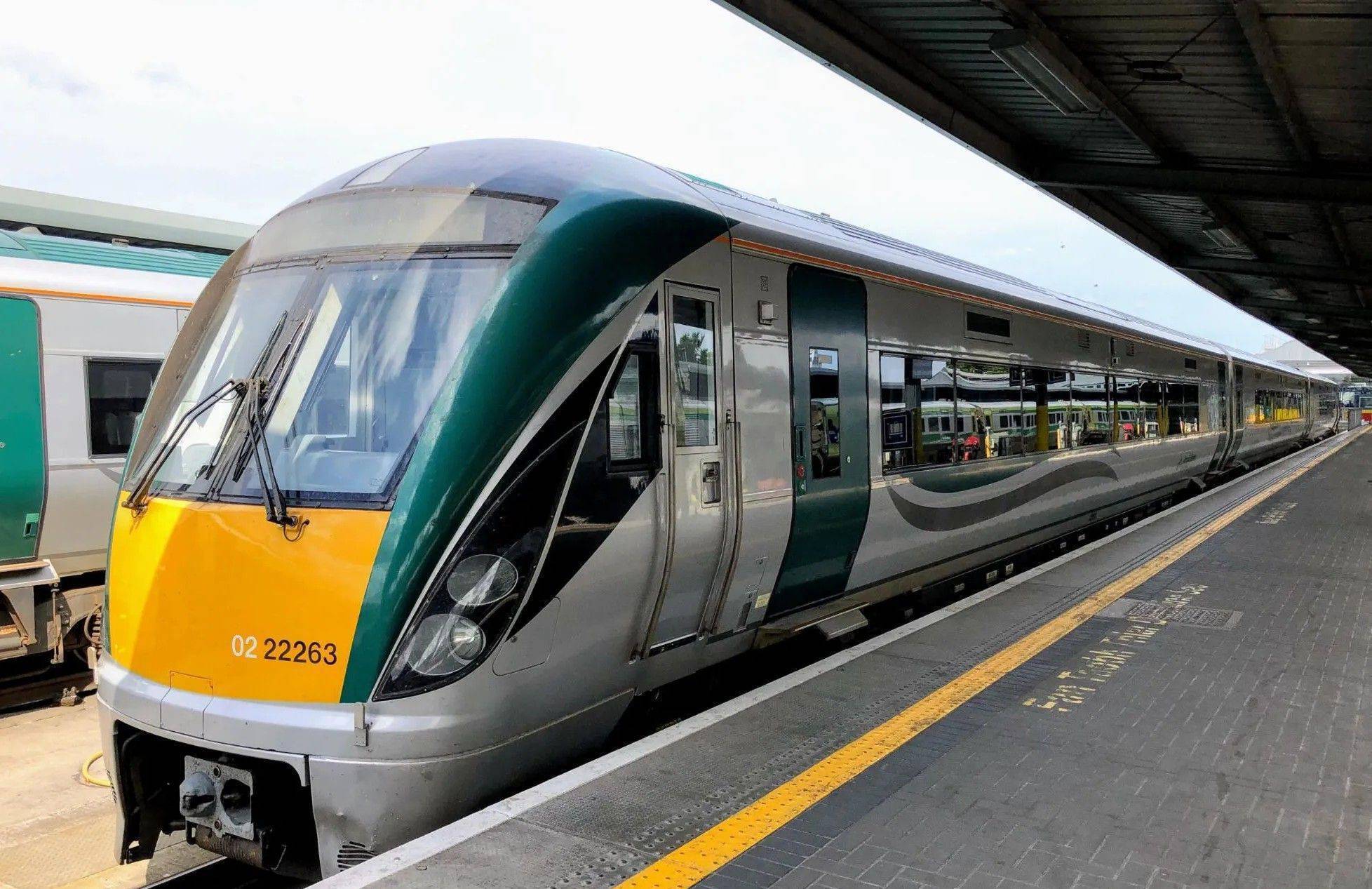
The Irish Rail system, which was to direct the flow of train traffic, was initially forecast for delivery in 2024 at a cost of under €20m, but it was beset by delays and cost overruns. Now it has been discarded. File picture: Iarnród Éireann
Value for money with public expenditure is a topic which surfaces with depressing regularity, and this week provided yet another example of vast sums of money disappearing with little enough to show for the expenditure.
Readers will have seen the report from Cianan Brennan and Paul Hosford here outlining the Public Accounts Committee’s wish to meet Irish Rail at the “earliest possible” opportunity after it emerged that the company wrote off €50m spent on an IT project which was not fit for purpose.
This a depressing litany of errors, one which exposes the financial carelessness and inefficiency in operations to be found in a variety of State agencies, though it is extraordinary that IT systems provide consistent examples of failure and waste. It might seem at first an over-reaction to seek specific IT oversight with any large-scale projects, but on this evidence it looks like an entirely sensible provision.
Any sense of the threat of climate change as an abstract concern is surely fading as more and more concrete evidence of its dangers come to light. The latest example came this week in the form of a report from the Environmental Protection Agency (EPA), which raised concerns about the financial toll of flooding in Cork.
As reported here by Seán McCárthaigh, the headline finding from the report was that the cost of flooding in Cork City could increase ten-fold, to €187m per year by 2050, due to the impact of climate change.
This was sobering enough, but some of the detail in the report was even more concerning. It states: “Myopic investments and planning decisions today increase exposure to, and ultimately costs associated with, flooding in the future.”
Specifically, the the modelling predicted that climate-induced flooding was likely to impact areas previously deemed low-risk, thereby expanding the city’s floodplain, while two thirds of the estimated increase in damage costs related to locations that are currently not expected to flood even in a one-in-100-year event.
The multiple challenges arising out the accommodation crisis have meant there is huge pressure on local and national government agencies to create new housing stock, understandably enough. The fact that there are over 17,000 homeless people in the country and a chronic housing shortage is a powerful motivation to build as many homes as quickly as possible.
However, we must also acknowledge the reality of our changing climate, and the likelihood of flooding in particular affecting some of that new housing stock. When the EPA predicts we are likely to see flooding in locations which would have been deemed safe even in a once-in-a-century disaster, then we must acknowledge the possibility of catastrophic damage to those new homes.
In that context, we must be more strategic when locating our next large-scale housing developments and hope our existing developments have been future-proofed with climate change in mind.
The housing crisis has had an impact on every sector of society, with the number of people forced to live on our streets one obvious result of that crisis.
For that reason, artist Fiona Faulkes in Ennis should be commended for her initiative to help the homeless. She has set up a mobile shower unit in the Friars Walk area of the Clare town, a specially designed tent with water heated by a gas cylinder, which can be used by those sleeping rough in Ennis.
Ms Faulkes said: “I was homeless for years in London, I know what it’s like not to be able to get clean.
For those sleeping rough the service helps with hygiene but also builds self-confidence: One user cited his confidence in entering shops after using the facility.
The mobile shower also serves an informal hub for the homeless.
“It’s a meeting place as well,” said Ms Faulkes.
“Not everyone on the street has a phone. A lot of it is word of mouth and it’s about helping people to feel relevant.”
She is to be commended on this project, a simple and practical one which offers concrete support to those who need it more than most. It is a shining example of a small-scale initiative which is far more effective than vague platitudes or well-meaning press releases, and which surely could be replicated in many of our towns and cities.
CONNECT WITH US TODAY



Be the first to know the latest news and updates