Irish Examiner view: Future of RTÉ is on the line 
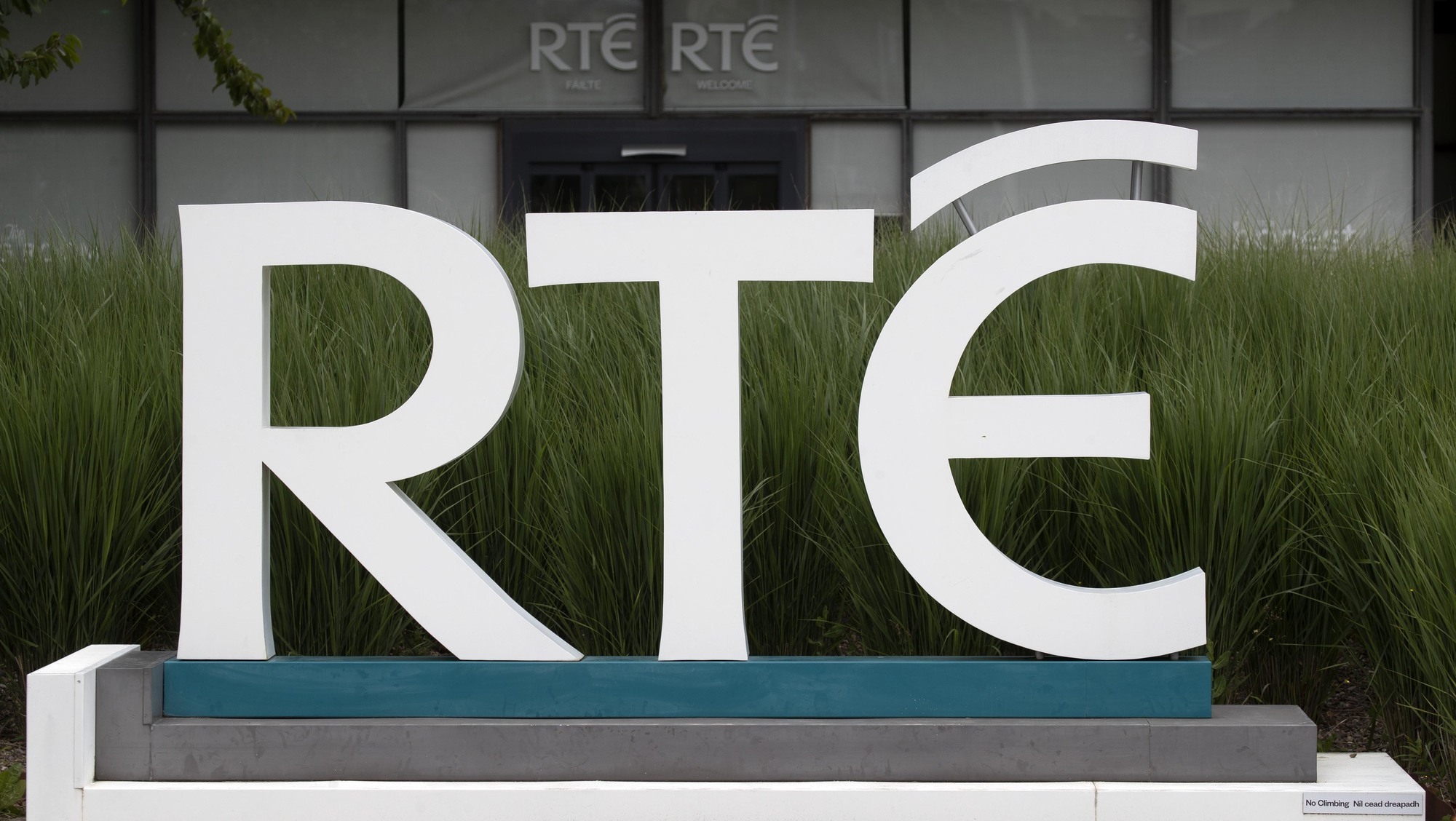
The future of RTÉ rests on the restoration of public confidence
Irish Examiner view: Future of RTÉ is on the line 

'It is unfortunate that the public’s appetite for paying for public service broadcasting might take another hit at the very time that traditional producers of credible and trustworthy news are fighting for survival.' File picture: Colin Keegan/Collins


RTÉ director general Kevin Bakhurst and a number of other RTÉ executives will on Tuesday meet media minister Patrick O’Donovan for what is likely to be an uncomfortable conversation.

They go into the meeting with the minister’s warning ringing in their ears — that RTÉ risks losing public confidence for the second time in three years. The minister is expected to demand clarity on how much “the public is on the hook for” following the latest revelations about the pay of high earners.

Mr O’Donovan’s concern for the fate of taxpayer’s money is understandable. Since the controversy about previously undisclosed payments to Ryan Tubridy hit the headlines in June 2023, several hundred million euro of a three-year €725m bailout package has been poured into RTÉ. At the same time, the number of people buying a TV licence plummeted by more than 20%.

The Tubridy story sparked months of damaging revelations, hearings, and headlines that raised questions about governance and accountability within the state broadcaster. With changes in leadership and renewed commitments to transparency and accountability, the spotlight eventually turned elsewhere. RTÉ was given the space to get on with the work of restructuring, reducing costs, and adapting to the increasingly challenging media market, while continuing to provide news, current affairs and entertainment.

The spotlight is back on the broadcaster and, as with the first controversy, this new crisis is entirely self-inflicted. The categorisation of Derek Mooney as a producer rather than a presenter might not be as gripping a story as that of unpublished payments to Ryan Tubridy, but the impact on RTÉ’s reputation could be just as damaging. At a moment when it should be rebuilding credibility, RTÉ finds itself again defending opaque practices and questionable decisions.

It is unfortunate that the public’s appetite for paying for public service broadcasting might take another hit at the very time that traditional producers of credible and trustworthy news are fighting for survival. Public-interest journalism remains one of the key pillars of democracy; reliable journalism and trusted information are increasingly valuable in a media environment that is crowded with misinformation, disinformation, and social media algorithms.

The consequences of ‘news deserts’, where communities are left with limited access to credible and comprehensive news and information, are already being studied in the US. They are said to have contributed to declining trust in democratic institutions, the unchecked spread of conspiracy theories, and increased political disengagement. Where there is limited access to once-trusted media, there is no shortage of those happy to fill the vacuum with unverified, unreliable narratives.

We appear to be some distance from that grim scenario in Ireland, and most citizens still enjoy good, though diminishing, access to local and national radio and news outlets. However, confidence in media, once damaged, is difficult to restore, and RTÉ cannot expect continued public support, financial or otherwise, if it is to be beset by the kind of controversies that have dragged it once again into the spotlight.

Mr Bakhurst and RTÉ’s deputy director general Adrian Lynch need to convince the members of the Oireachtas media committee today that, not only is RTÉ committed to transparency and accountability, but it has learned the lessons of recent years. The future of RTÉ rests on the restoration of public confidence.

Summer break debate

Next week marks the start of the summer holidays for more than 290,000 secondary school pupils — another 140,000 will have their holidays delayed by the Leaving and Junior Cert exams — and with it, the perennial debate about the length of Irish school holidays. Expect to start hearing and reading about the woes of hard-pressed parents on the challenges of keeping teenagers gainfully occupied for three long months.

Their voices will soon be joined by parents of 550,000 primary school children who break for the holidays towards the end of June. The airwaves, opinion columns, and chat groups will fill with talk about the expense of organised activities, and the challenges of arranging childcare, not to mention the fear that children’s education will suffer from the long break. There will also be the parents — and teachers — who relish the release from the relentless cycle of packed lunches, school runs, and hectic after-school schedules.

There is no doubt that Ireland’s school holidays, particularly for secondary schools, are out of kilter with the norms of northern European countries and of our nearest neighbour. Our long holidays hark back to the time when children were needed for agricultural or other seasonal work, a rationale that no longer applies.

Perhaps the time has come for a citizens’ assembly on the school year, a forum that might move the debate beyond the annual round of complaint and towards a serious conversation. The main question would have to be whether the current system still serves families, children, and teachers well. The assembly might propose reforms, or it might not; either way, we will have had a meaningful, public examination of an issue that has troubled generations of parents.

Time to ban sunbeds outright

It is more than 35 years since scientists began reporting a link between sunbeds and skin cancer. It is 17 years since the International Agency for Research on Cancer classified sunbeds as carcinogenic to humans, placing sunbed use in the same category as plutonium and tobacco. It is 10 years since Australia introduced an outright ban on commercial sunbeds, a move credited with preventing thousands of cases of skin cancer.

In Ireland, the Government is still exploring ways to ban commercial sunbed use. As reported in this newspaper yesterday, the Department of Health plans to engage with the European Commission before making any decisions. It is difficult to understand why, in the face of overwhelming evidence about the dangers, a ban is taking so long.

Even as the use of sunbeds to acquire that misnamed ‘healthy’ glow was gaining in popularity in the 1990s, studies were already suggesting health risks, specifically a link with skin cancer. By 2009, the evidence that the use of sunbeds caused cancer was incontrovertible. The Irish Cancer Society has long highlighted research showing there is no safe level of sunbed use. It warns that a single use of a sunbed increases the risk of melanoma by almost 30%. Sunbed use by people under the age of 35 increases risk of melanoma by 75%.

In 2014, the Government passed legislation making it an offence to sell, hire, or permit the use of a sunbed by under-18s. Those restrictions were welcome. It is time to pick up the pace on introducing an outright ban.

More in this section

Revoiced

Newsletter

Had a busy week? Sign up for some of the best reads from the week gone by. Selected just for you.

Cookie Policy Privacy Policy Brand Safety FAQ Help Contact Us Terms and Conditions

© Examiner Echo Group Limited