Irish Examiner view: Another CHI apology inevitable
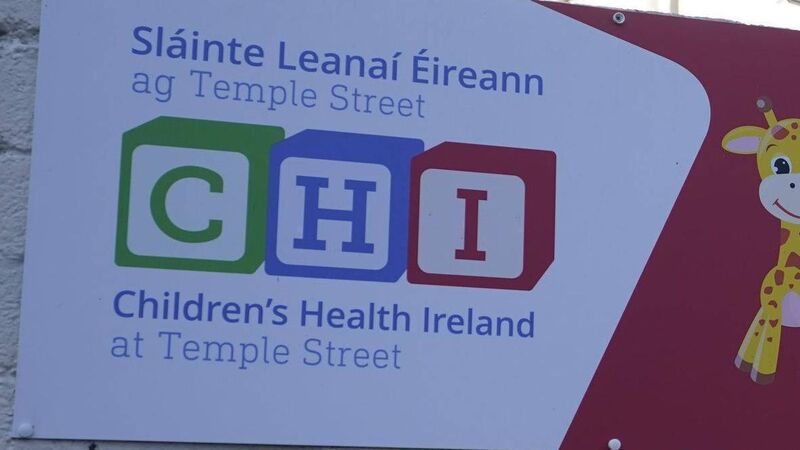
The Public Accounts Committee heard this week that the money was received in 2022 from a concession holder, and it was not declared in annual accounts. Picture: Niall Carson/PA Wire
The revelation that a private contractor provided €30,000 for a Christmas party for Children’s Health Ireland (CHI) has raised quite a few questions.
Those questions range from sarcastic — how can a Christmas party cost at least €30,000? — to pointed, particularly when it comes to the lack of judgement.
How anyone in CHI senior management thought this appropriate simply beggars belief.
The details of this story, as reported here by Louise Burne, are extraordinary.
The Public Accounts Committee heard this week that the money was received in 2022 from a concession holder, and it was not declared in annual accounts.
In fact, it was only given back last year when questions were raised about the sum of money by the Comptroller and Auditor General, Séamus McCarthy.
Even the most generous interpretation of those events would hardly provide a satisfactory explanation for this kind of secrecy, but the organisation has not covered itself in glory when trying to explain what happened.
In a statement this week, CHI stated that it “is committed to full transparency in this matter” — a declaration which is hardly borne out by its actions.
There was no clarity offered in its statement about the precise circumstances in which this money was exchanged.
Who exactly provided the €30,000? Did CHI ask the contractor for that money and, if so, why?
How did this matter only came to light when an outside body charged with oversight brought it up, and what are the resultant implications for CHI’s tendering and supply processes?
The level of compliance and oversight within this organisation must surely now become the focus of a thorough investigation.
Only last June, CHI had to apologise to children and families impacted by revelations such as the spinal and hip surgery controversies.
This latest imbroglio, defined accurately by one TD as a conflict of interest, makes another apology inevitable.
The overwhelming evidence that tech firms and social media companies have little interest in safeguarding children when they are online means legislative safeguards are absolutely necessary in this area.
However, it appears that lawmakers in Europe are more interested in arguing with each other than in implementing and maintaining such safeguards.
Currently, there is a voluntary European framework for online platforms to carry out limited monitoring for child sexual abuse material.
Terms such as “voluntary” and “limited” indicate just how seriously this issue is viewed.
Noeline Blackwell, the online safety co-ordinator at the Children’s Rights Alliance, told the s Ann Murphy that, because of a row between the European Parliament and the European Council, there has been no agreement on extending that voluntary framework beyond April 3.
Ms Blackwell said the monitoring systems, weak as they are, were watered down even further in a decision last week by the European Parliament.
The decision provided that only non-encrypted material relating to known and proven abusers could be monitored under the existing system.
Those provisions mean that the monitoring excludes encrypted material and “new” abusers, and an already limited protective mechanism is further diluted.
The squabbling between EU bodies in this case is grist to the mill of eurosceptics, though that is not nearly as important as the threat posed to children’s safety if this framework is not extended.
That threat is not theoretical.
The European Child Sexual Abuse Legislation Advocacy Group has stated: “During the previous lapse in the legal framework in 2021, reports of child sexual abuse material dropped by 58% — not because abuse decreased, but because detection efforts could no longer function effectively.”
The complete abdication of responsibility by these large companies is a fact of life, unfortunately, and we must rely on legislative intervention to keep children safe. A dystopian and depressing a sentence as one could imagine.
It is incumbent on the European institutions to come together and resolve their differences for the greater good.
As Ms Blackwell put it, they need “to come down off their high horses” and protect the children of the EU.
The conflict in the Middle East, which has already spread beyond Iran’s borders, continues apace.
Its effects are being felt all over the world.
The impact on fuel prices is one of the more obvious results of the war, and some countries are reacting already.
The Spanish government announced on Friday it will slash the Vat rate from 21% to 10% on automotive fuels, electricity, and natural gas; reports suggest the changes are likely to lead to an immediate reduction in the price of diesel and petrol of between 30c and 40c.
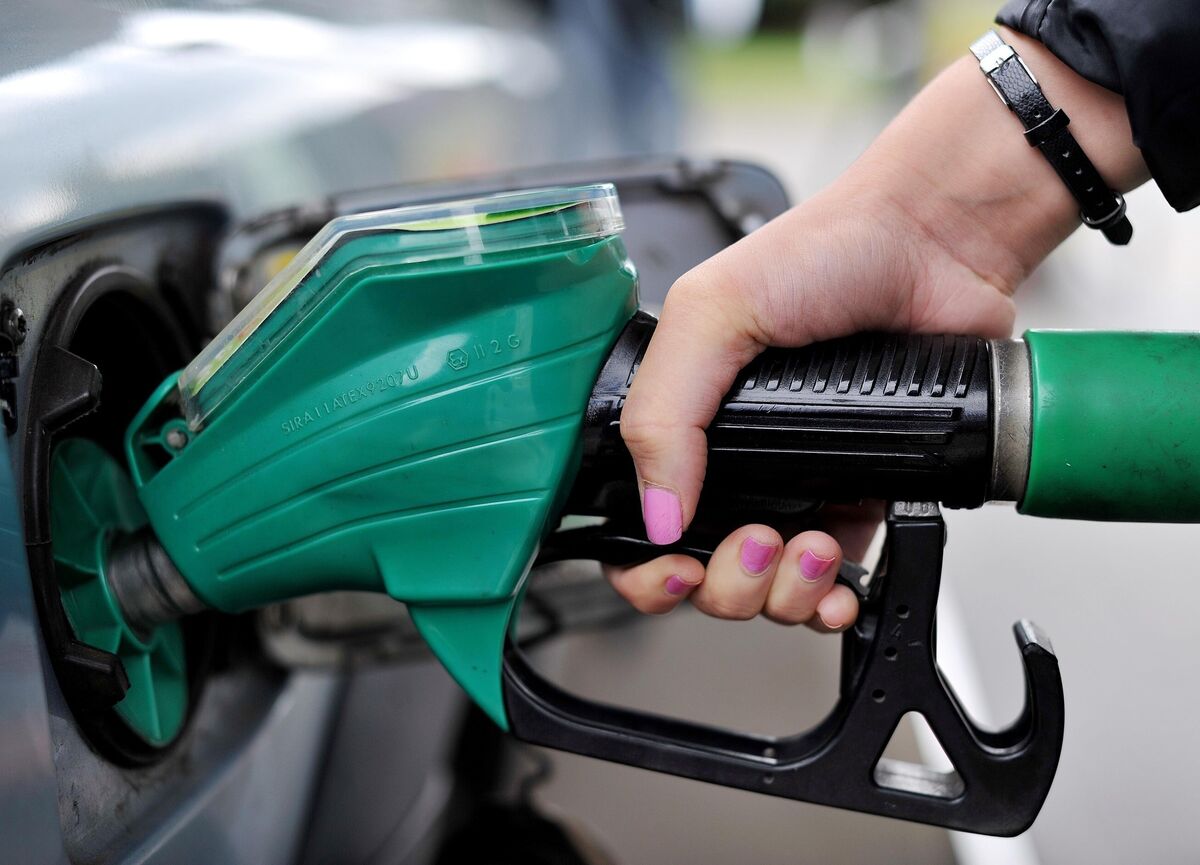
Here, the Government is expected to announce a three-pronged approach which will have an impact on the price of fuel at the pumps, the Tánaiste confirmed on Friday, but that will not be announced until after the Cabinet meeting next Tuesday.
Perhaps we should take a closer look at Spain’s other strategies: Its prime minister claims Spain is less at risk from such fuel price hikes because it has shifted so quickly to renewable energy sources such as solar, wind, and hydroelectric power.
The jury is out on how insulated Spain is on that score — it also gets 20% of its power from nuclear energy — but this latest fuel price crisis should at least encourage us to consider more serious investment in renewables here.


CONNECT WITH US TODAY



Be the first to know the latest news and updates