Safety of children 'at risk' due to failure of EU institutions to agree on reporting sexual abuse material
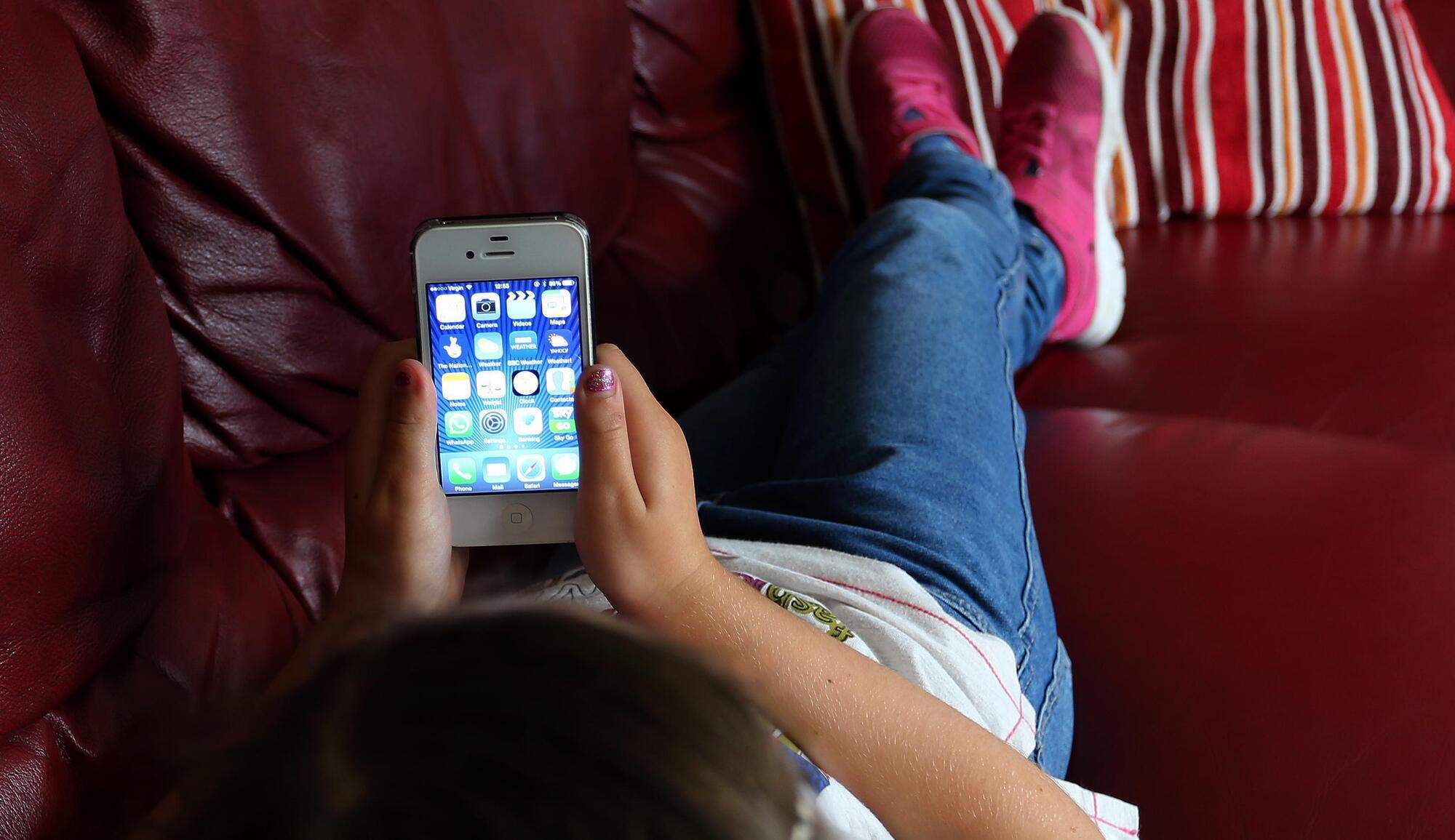
Recent worldwide study found about one in five children in Western Europe reported experiencing unwanted or pressured sexual interactions online before the age of 18. File picture
The safety of children is being put at risk by a row between the European Parliament and European Council about how tech firms voluntarily detect and report sexual abuse material, according to the Children’s Rights Alliance.
The MEPS and various governments failed in recent days to agree on extending a voluntary framework for online platforms to carry out limited monitoring for child sexual abuse material.
The current agreement is due to expire on April 3. It has been in place since 2022.
Noeline Blackwell, online safety co-ordinator at the Children’s Rights Alliance, slammed the failure to reach agreement.
"Now, because of a row between the European Parliament and the European Council, that very limited protection is due to end on April 3.
“While this week’s failure is by the European Council of Ministers, last week’s decision by the European Parliament to decrease the already weak monitoring systems that the platforms have in place was a massive disappointment for children’s safety and welfare.”
She added while there were longer-term proposals for permanent solutions, she said the current debate was “about extending the current and admittedly weak stopgap” framework.
The failure to agree this week followed a decision last week by the European Parliament that only non-encrypted material relating to known and proven abusers could be monitored under the existing system.
Ms Blackwell said: “This meant that all encrypted material, all those seeking to groom, and all new potential abusers would be excluded. The European Council Presidency, currently with Cyprus, and soon to transfer to Ireland, saw this as fairly useless, and they have a point. They, and the EU Parliament, also have two weeks to fix the problem, while we all hold our breath for the safety of children.”
She said there was a real need now for all EU institutions “to come down off their high horses and, at the very least, agree that the platforms should be asked and allowed to extend the weak monitoring they were doing then”.
She added: “Equally, every single one of the platforms is at liberty this minute to confirm to the EU institutions that they care — at least a bit — about children being sexually abused and groomed online and that they will continue the monitoring that they are doing if the EU allows them to do it.”
She pointed to a recent worldwide study, which found about one in five children in Western Europe reported experiencing unwanted or pressured sexual interactions online before the age of 18.
“That’s far too many. But failure of the EU, and Irish interests at the EU, to act sensibly and quickly risks even more harm to even more young people. It must not be allowed to happen.”
Concern has also been raised by the European Child Sexual Abuse Legislation Advocacy Group, made up of more than 80 children's rights groups across the EU.
It said: “The risks are not theoretical — we have seen them before. During the previous lapse in the legal framework in 2021, reports of child sexual abuse material dropped by 58%, not because abuse decreased, but because detection efforts could no longer function effectively. Policymakers were aware of this precedent, yet they have let this gap become a permanent reality.”
It warned “the consequences are immediate and severe".
“Without this legal basis, platforms may no longer be able to carry out lawful detection of abuse, undermining efforts to identify victims and disrupting law enforcement work across the European Union and beyond. This gap in protection was entirely avoidable and policymakers were fully aware of the consequences.”
CONNECT WITH US TODAY



Be the first to know the latest news and updates