Irish Examiner view: Shame State can’t be proactive in helping those let down in the past
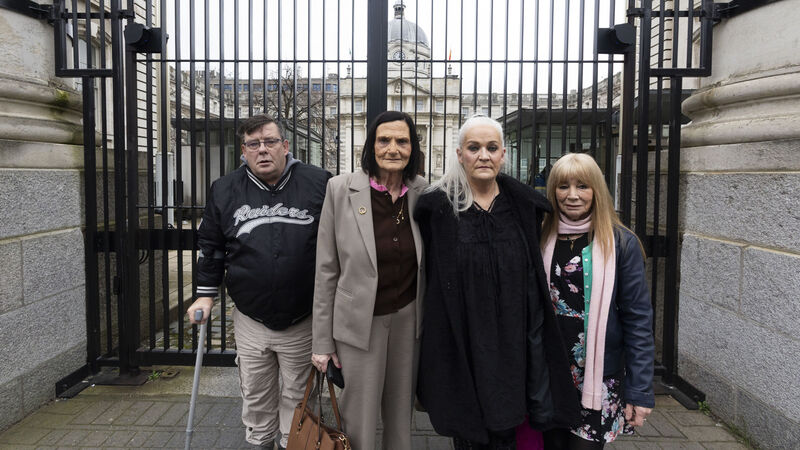
Maurice Patton O'Connell, Mary Dunleavy Greene, Mary Donovan, and Marian Moriarty Owen arriving at the Department of An Taoiseach. Picture: Sam Boal/Collins Photos
Taoiseach Micheál Martin apologised to survivors of institutional abuse yesterday in the Dáil, saying: “What you endured on a daily basis as innocent children was harrowing, heartbreaking, and wrong.”
This is a welcome acknowledgement of the suffering endured by so many vulnerable people, but the background to the apology is not as encouraging.
It comes after four survivors went on hunger strike late last year, seeking additional supports for those who endured abuse in various residential institutions.
The four — Maurice Patton O’Connell, Mary Donovan, Miriam Moriarty Owens, and Mary Dunleavy Greene — went without food for over a month, surviving on coffee and water.
Although regularly checked by medical professionals, they lost between three and four stone each during their hunger strike.
Clearly, there should be no need for any citizens of this State to starve themselves so that their voices are heard and their needs acknowledged.
The symbolism of the head of Government apologising is undeniably powerful, but it is significant that the four campaigners also sought practical support.
They were seeking a Health Amendment Act (HAA) card and a State contributory pension in response to what happened to them as children, and it should be acknowledged that, last month, the Government agreed a package of additional supports for survivors of abuse at institutional schools, including health, education, housing, and funeral cost supports.
It is disappointing that the State cannot be more proactive, or offer more generosity of spirit, in helping those who have been let down so badly in the past.
Sadly, there are plenty of opportunities available to improve performance in this area.
Even as we were reading the details of Wednesday’s apology, members of the Irish Thalidomide Association were preparing to meet the Taoiseach and Tánaiste as they seek a State apology.
One member of the association, 96-year-old Mary Clarken, said: “Everybody knows that healing can only properly begin with an apology. Even 60 years of trauma can be erased by a heartfelt ‘we’re sorry’.”
A lesson many of our State institutions should learn.
Last year was the deadliest on record for journalists being killed since the Committee to Protect Journalists (CPJ) began gathering statistics more than 30 years ago.
The CPJ’s latest report states that four journalists were killed by Russian military drones last year in Ukraine, while six journalists were killed in Mexico.
Their cases remain unsolved.
The CPJ also pointed out that Israel is to blame for two thirds of all of the deaths it recorded, stating that over 60% of the 86 members of the press killed by Israeli fire in 2025 were Palestinians reporting from Gaza.
Little wonder the CPJ pointed to a persistent culture of impunity making journalists more and more vulnerable.
The importance of a free press — to keep citizens informed, to hold the powerful to account, and to help democracy to function — can be deduced from these shocking statistics, where ruthless organisations have little compunction in killing journalists.
That importance can also be seen in cases which are far less deadly, but which nonetheless should concern all.
By coincidence, Wednesday also saw a hearing begin at the Investigatory Powers Tribunal in London, where RTÉ reporter Vincent Kearney has taken a case alleging that British state agencies accessed his phone data while he worked for the BBC.
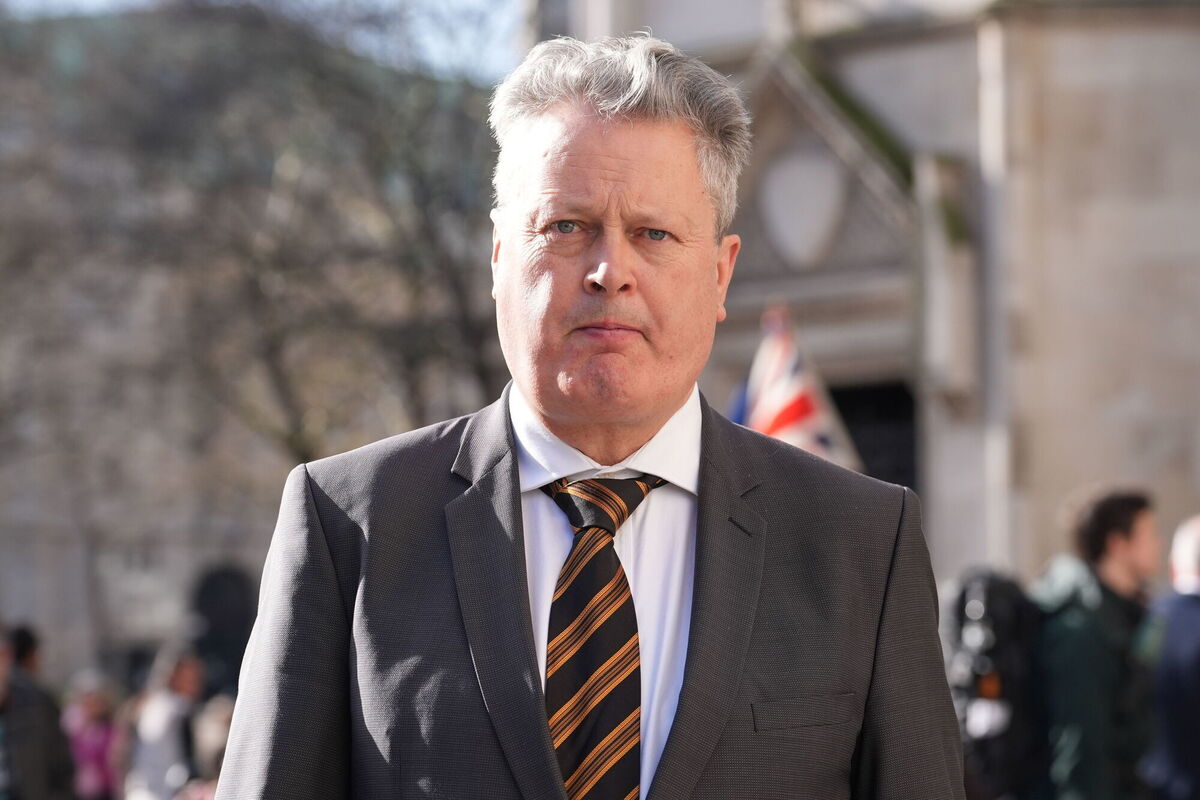
The tribunal was told that the PSNI, MI5, and the Metropolitan Police have already conceded that what they did was illegal.
That is not the only recent example of British organisations spying on journalists.
We learned a couple of weeks ago that Labour Together, a British think-tank previously run by a Labour Party minister and the prime minister’s former chief of staff, Cork man Morgan McSweeney, paid a PR firm to investigate journalists from various outlets who were looking into its funding and to identify those journalists’ sources.
As noted, these cases cannot be compared to the dozens of journalists killed by Israel in Gaza.
However, as a whole, these revelations are deeply concerning, given what they tell us about the challenges facing a free press.
Readers are no doubt aware of the case of Féile O’Sullivan, the West Cork teenager who lost both legs and suffered other serious injuries in a tractor accident in Allihies last July.
After receiving emergency care locally and at Cork University Hospital, she was then transferred to the CHI at Crumlin, undergoing dozens of operations in the intervening months.
Féile’s local community has rowed in to support her and her family, and the O’Sullivans were boosted earlier in the week by a visit from golf legend Pádraig Harrington.
The double Open champion has strong ties to West Cork himself — his father Paddy, a Cork senior footballer in the 1950s, came from Ardgroom — and he paid a warm tribute to Féile in a subsequent social media post.
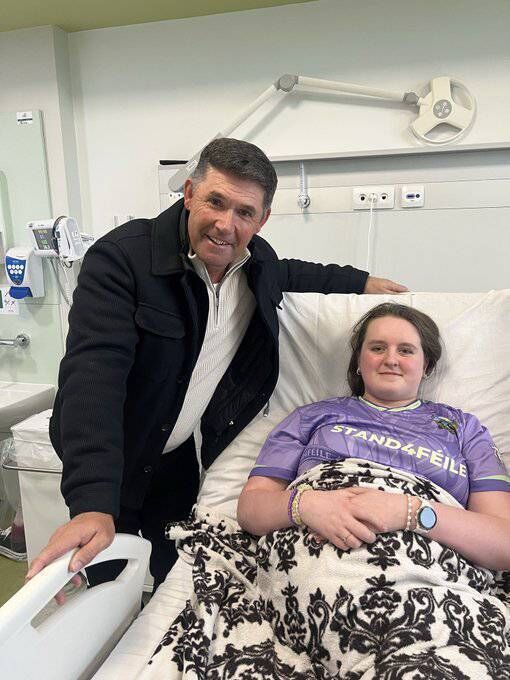
“This is Féile, she is 13 and had a life-altering farming accident last July,” Harrington wrote.
“She is very courageous and in great spirits.”
He shared details of fundraising plans which are worth repeating — a golf outing on April 16-18 and a school jersey day on March 20, where children wear their favourite jersey to school and donate €1 or €2.
Harrington also advised those seeking to support Féile to visit gaacork.ie/stand4feile — advice we endorse wholeheartedly.

CONNECT WITH US TODAY



Be the first to know the latest news and updates