Use — and misuse — of artificial intelligence is widely seen as one of the biggest issues facing higher education, but there are other, long-standing challenges for the third-level sector.
One of those is anticipating the future requirements of the Irish economy and tailoring courses to fulfil those requirements.
When third-level institutions introduce new courses, however, they rarely attract the kind of attention that a new addition to the Technological University of the Shannon (TUS) prospectus has drawn.
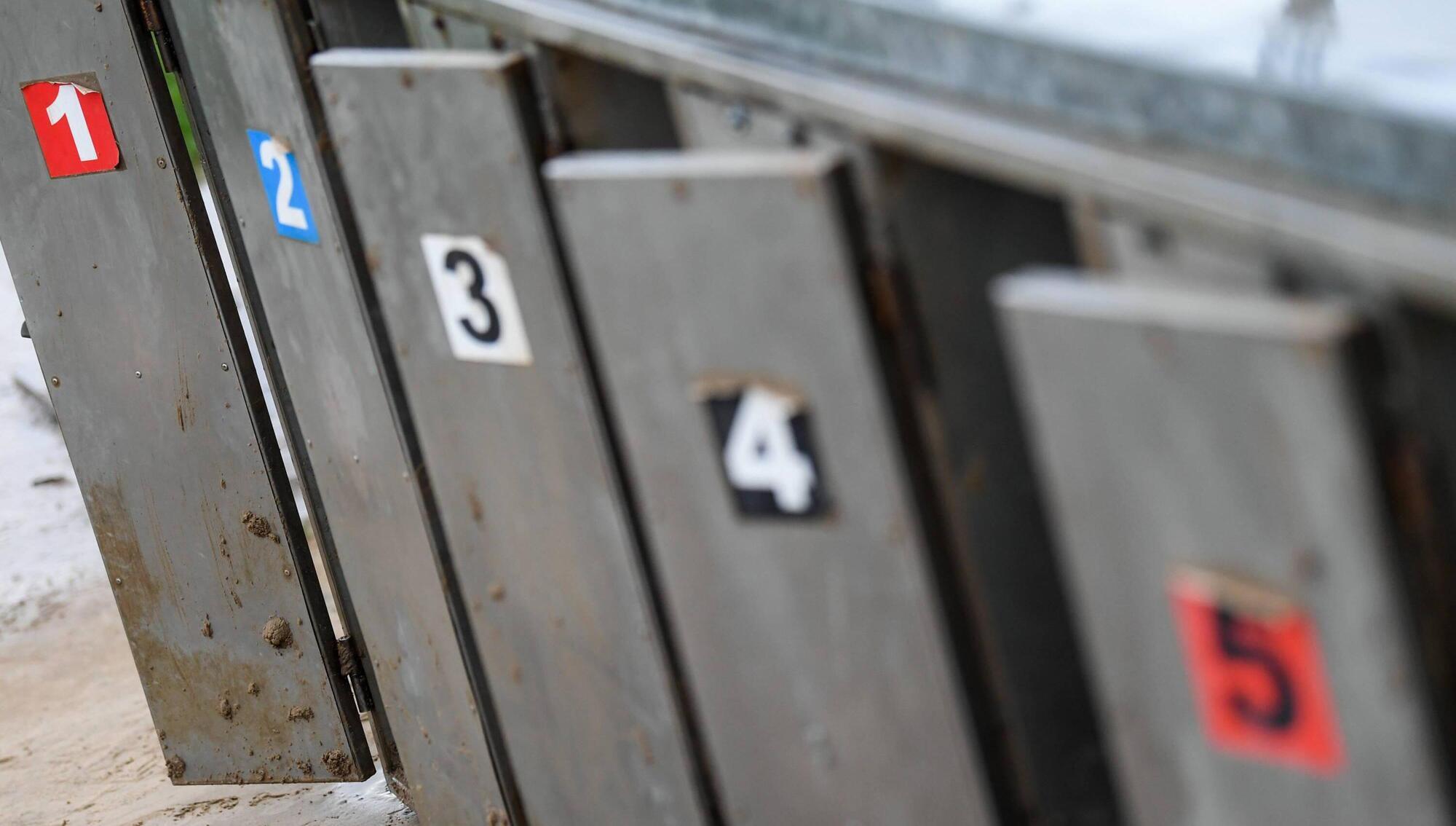
As reported here by Jess Casey, TUS has signed a memorandum of understanding with Greyhound Racing Ireland (GRI).
It will see the two organisations work together to launch two new college programmes. Fees for the 15-week certificate in greyhound welfare and husbandry level six course, for instance, will be €1,000. GRI will cover 75% of applicants’ fees.
The partnership has been attacked by Greyhound Action Ireland, whose spokesperson described the launch of the new courses at TUS as a “cynical attempt by the greyhound board to pretend it cares about welfare in the industry”.
Greyhound welfare is certainly an emotive subject, and statistics tend to show the racing industry in a poor light.
Greyhound Action Ireland claims that the GRI’s own traceability system shows that out of 12,483 dogs born in 2021, 5,118 are dead or unaccounted for.
It also shows that, in 2024, some 5% of all dogs put out to race on greyhound tracks were dead before the end of the race or soon afterwards.
GRI did not acknowledge these shockingly high figures in communication with our reporter.
The counter-argument may be that greyhound racing is a fully legal activity with a large-scale national industry depending on it, though it is also heavily subsidised already by the exchequer.
However, when animal welfare in general is a matter of priority worldwide — greyhound racing is already banned in many countries — a minority sport which sees the deaths of many animals seems out of step with the times.
Arts Council governance put centre stage
Our arts policies have often drawn praise from abroad, going back to the late 1960s and then minister for finance Charles Haughey’s artists’ exemption.
Lifting the tax burden from creatives attracted many artists to these shores, and drew international praise, as did a more recent innovation.
The basic income for the arts scheme was introduced four years ago, and it has also been heralded as a groundbreaking and imaginative measure.
Along with praise for our arts legislation, however, there have been some unflattering revelations about our arts administration.
This week sees the submission of a report by Niamh Brennan and the expert advisory committee into the Arts Council’s disastrous IT project, which was cancelled at a cost of €6.5m to the taxpayer.
It is not an exaggeration to say the report is an indictment of practices and procedures in the Arts Council.
As reported in this newspaper by Tadgh McNally, its findings range from a lack of ICT and project management expertise in the Arts Council to a risk culture within the organisation described as “immature”.
The report states that the scope of the project regularly changed.
It also raises concerns about limited board oversight, and it finds that systems of governance within the organisation failed.
The last point from Brennan’s report may be the most salient.
Given how keen the competition for that title is, the Arts Council may not offer the worst example of blithe disregard for taxpayers’ money to be found in the public sector.
As a way of showing that failures of governance cannot be tolerated, however, the Arts Council may end up giving the lead to other organisations after this report.
Brennan’s report includes 149 recommendations and legislative proposals to reorganise the Arts Council, and arts minister Patrick O’Donovan is expected to launch a significant reorganisation of the body.
This may be necessary to reinforce Ireland’s reputation as a bastion of the arts, but it could also be seen as an example for other public bodies to follow.
A rare treat in the sky
For many readers, there was an unexpected treat earlier this week when the Northern Lights, or aurora borealis, were clearly visible across the country as far south as Cork.
The sight is usually associated with the likes of Iceland and Scandinavia rather than Ireland, but our night sky on Monday evening was illuminated with stunning green and red lights.
Met Éireann was quick to explain the science behind the light show we enjoyed just a couple of nights ago: “The colour of the Northern Lights will change due to the type of gas particles that are colliding.
“Oxygen molecules at approximately 100km above the Earth produce a greenish-yellow colour, while a red aurora can be seen when high-level oxygen molecules are involved.”
Some readers may prefer the ancient Norse tradition that explains the Northern Lights.
This was a Viking belief that the lights could only be seen when the god Odin sent his valkyries, ferocious female warriors, out on a mission.
As the valkyries rode their horses across the sky, their highly polished armour and shields reflected the moonlight in green and red rays of light.
Keep an eye out for them the next time the Northern Lights appear.
CONNECT WITH US TODAY
Be the first to know the latest news and updates