Irish Examiner view: Alcohol still a part of Irish life
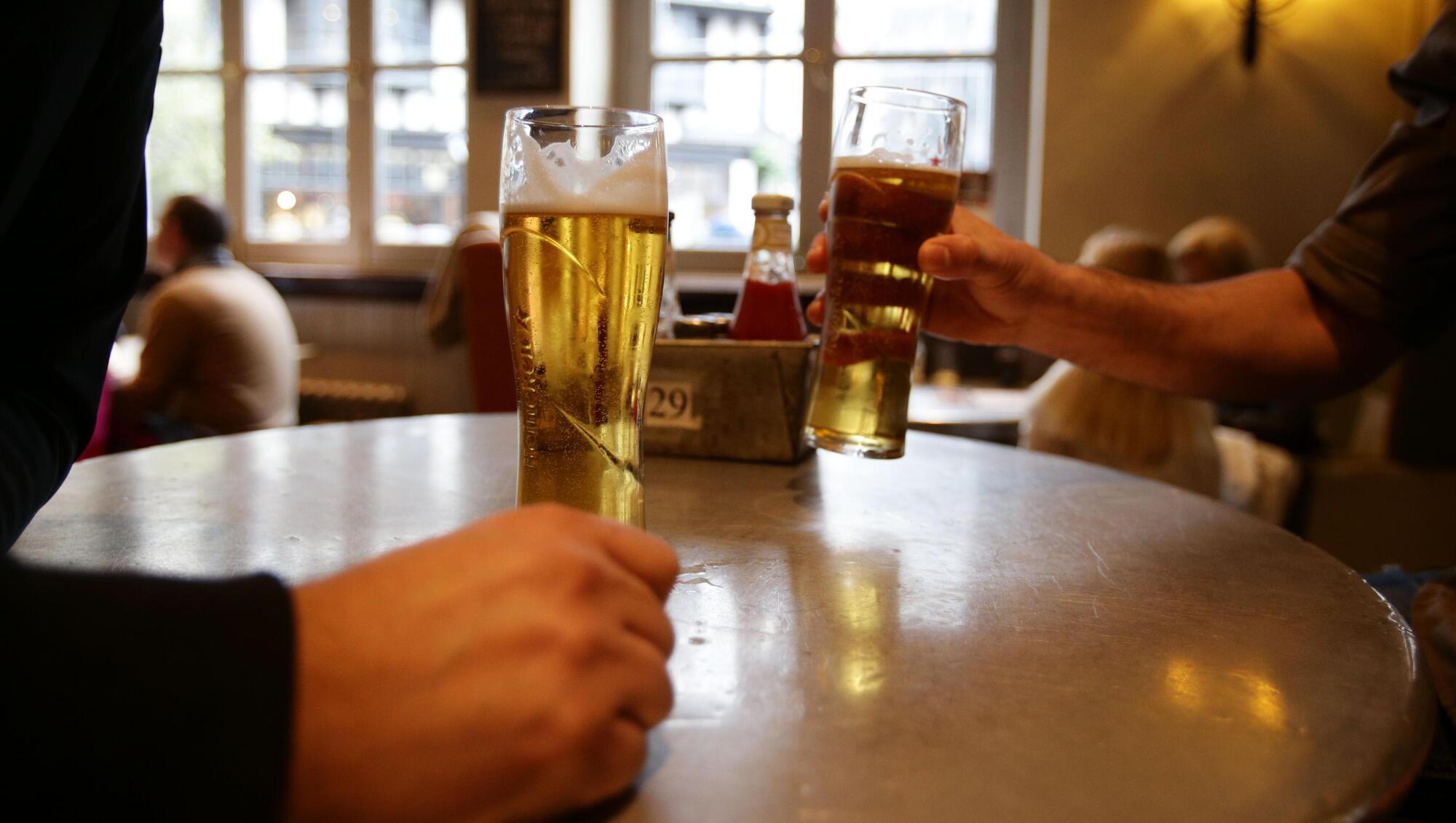
Ireland still has the third highest number of pubs per capita despite the widespread closures in recent years.
New research has provided fresh insights into Ireland’s relationship with alcohol — some of them surprising, some of them all too familiar.
Despite many reports of widespread pub closures all over Ireland, a Health Research Board report — using data gathered by the University of Sheffield — states that three Irish people out of four still live within walking distance of a licensed premises.
Ireland still has the third highest number of pubs per capita despite those recent closures, which seems to have been offset by an increase in off-licences.
It is generally acknowledged that many people’s socialising habits have changed, with more of our citizens drinking at home now than in previous generations, a perception bolstered by the rising number of off-licences.
Does that mean we are reducing our alcohol intake? The research shows a slight decline in consumption, but also points out that the average person in Ireland last year consumed 9.9 litres of pure alcohol — significantly more than the Organisation for Economic Co-operation and Development (OECD) average of 8.6 litres.
The consequences for the country are stark. Alcohol-related illness is the eighth leading cause of death in Ireland, and one person dies every day due to alcohol-related liver disease. That is before one even begins to drill into alcohol-related road traffic accidents. Recently, the Road Safety Authority (RSA) released data suggesting that in one 12-month period, one person in 10 surveyed had driven after drinking.
One unheralded aspect of the data released this week made for an interesting, if depressing, acknowledgement of the scale of this problem.
The statistic above regarding the average person in Ireland consuming 9.9 litres of pure alcohol last year refers to people over the age of 15. It should be pointed out that the lawful age for drinking in Ireland is 18. In order to form a realistic picture of alcohol intake in the country, those compiling the data had to include those drinking illegally.
If that doesn’t illustrate our problematic relationship with alcohol, nothing will.
Every few months there are calls for a dedicated transport police force, a specific arm of law enforcement focused on policing our buses and trains.
While the logistics and legislation involved in creating such a force are a matter for debate, the arguments in favour of its creation look rock solid.
Siptu revealed this week the extent of intimidation, abuse, and violence on Irish public transport system, sharing the results of a survey of 650 union members across that system.
It revealed 80% of respondents said drug use by passengers on public transport had worsened in the last 12 months, almost three-quarters witness drug abuse in their workplaces several times a month, and almost 20% deal with drug issues on a nearly daily basis in work.
Three quarters of staff from ethnic minorities reported racial harassment and abuse while at work.
These are intolerable conditions for the workers affected.
Everyone should be entitled to a safe place of employment — one which is free of intimidation, harassment, and abuse, not to mention the health dangers of drug consumption and its associated paraphernalia.
The twin problems of mental stress and physical threats mean that action should be taken here by transport management officials to protect their staff.
Information such as this has implications in other areas.
There is general awareness of the need to opt for public transport instead of private cars — to reduce harmful emissions and to reduce congestion on our busy roads.
Yet, data such as this offers no incentive to people to abandon their cars in favour of public transport — the opposite, in fact. Though significant, should such considerations outweigh the basic entitlement of transport workers to a safe working environment? Surely not.
The argument in favour of a dedicated transport police unit to protect those workers and the public alike has never been stronger.
All the more shocking, then, to learn that the writers for Sesame Workshop, the show’s producers, have voted unanimously to a strike if a fair contract is not reached. Writers began bargaining in February, requesting annual raises in line with industry standards and improvements to their royalty entitlements, among other matters, and if agreement is not reached by April 19, they may strike.
If that strikes readers as a jarring image, they are not alone. One of the writers’ representatives said: “No one wants to see a picket line on Sesame Street. Millions of parents and families around the world are going to have a lot of questions.
“They might ask why the bosses at Sesame Workshop are ignoring their company’s own messages of kindness and fairness.”
The parents involved may need to brush up on their knowledge of residuals and royalties if they want to explain the stand-off to their children. That discussion might confuse kids accustomed to Ernie and Bert, but Oscar the Grouch could be a natural in explaining labour relations.
CONNECT WITH US TODAY



Be the first to know the latest news and updates