Irish Examiner view: Ireland is right to continue funding UNRWA in Gaza
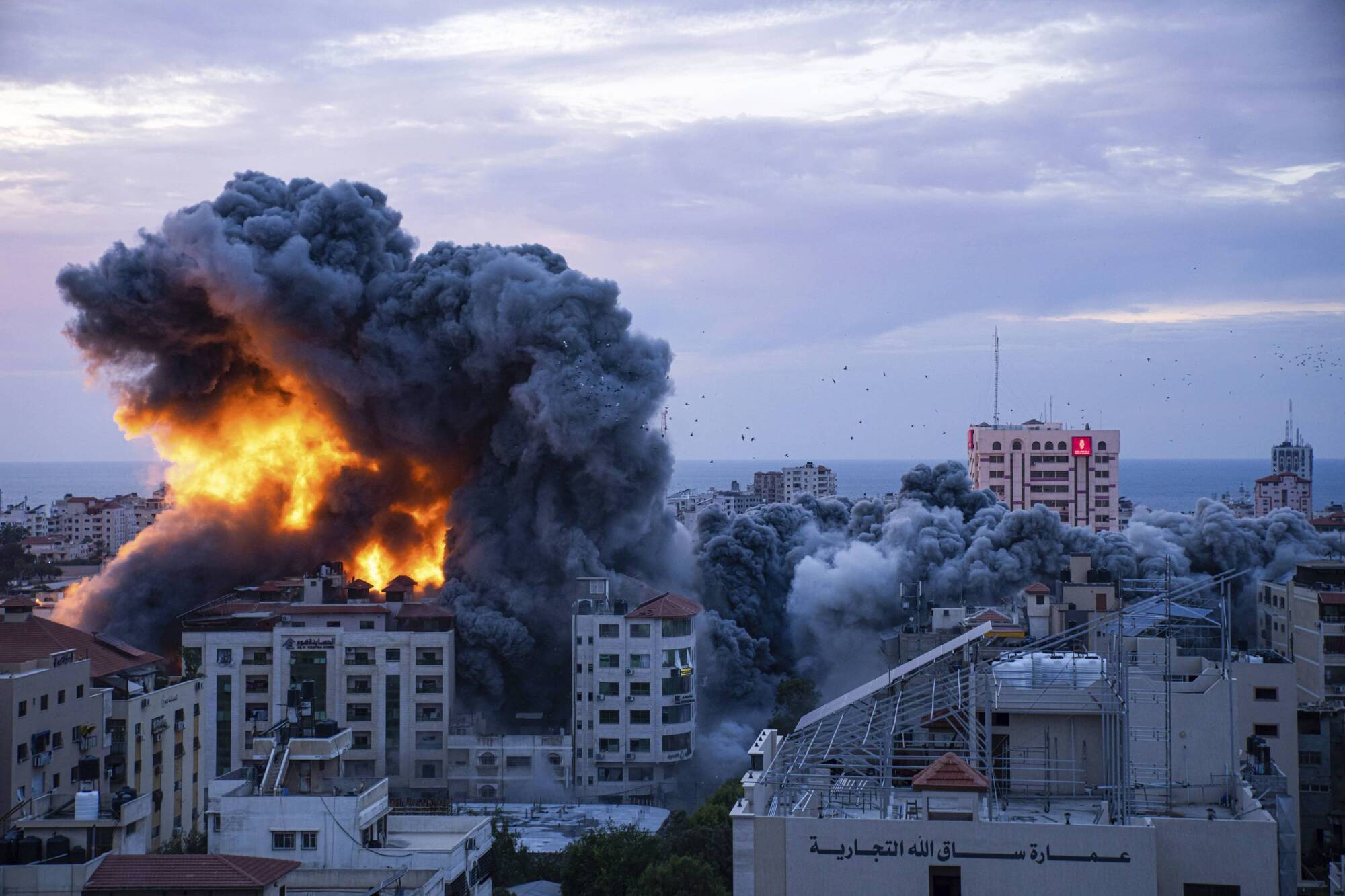
Nine countries have paused funding to the UNRWA aid agency providing vital support to the civilian population amid Israel's continued action against Gaza. Picture: Fatima Shbair/AP
Let us keep hoping, and helping.
While much was rightly made of Ireland’s first Climate Change Assessment, there has been much less public debate about the implications of our “unrecognisable” meteorological future for one key area of our lives.
What does it mean for the design of our homes and the cost of the roofs over our heads as we embark upon a century of change? Many of the residences in which we live were fitted to cope with the climate of the past. It was only in 2007 that BER (Building Energy Rating) certificates became mandatory for all buildings being constructed, sold, or rented in Ireland, and their take-up was slow enough.
Other environmental standards are inching their way into new contracts. Where once the objective was to keep heat in, future buildings have to take into account increases in ambient temperatures and be able to withstand regular periods above the 33C experienced in the Republic last July.
The quest for resilience has started with Met Éireann providing data to developers on the “driving rain index” as well as charting extremes in temperature, soil temperature, snow loadings, and rainfall frequencies.
Another potential metric is the impact of shorter “return” periods — the passage of time between severe, recurring, weather events.
Many cities and countries are changing building codes. It’s obviously better to provide mitigating features in new projects than retrofitting. But given the age of Ireland’s housing stock, the costs of conversion will become an unforeseen cause of contention in the future.
We shouldn’t be taken aback that the most popular TV show of 2024, to date, celebrates modern personality traits with which we are becoming wearyingly familiar.
CLIMATE & SUSTAINABILITY HUB