Irish Examiner view: TV licence figures offer cold comfort
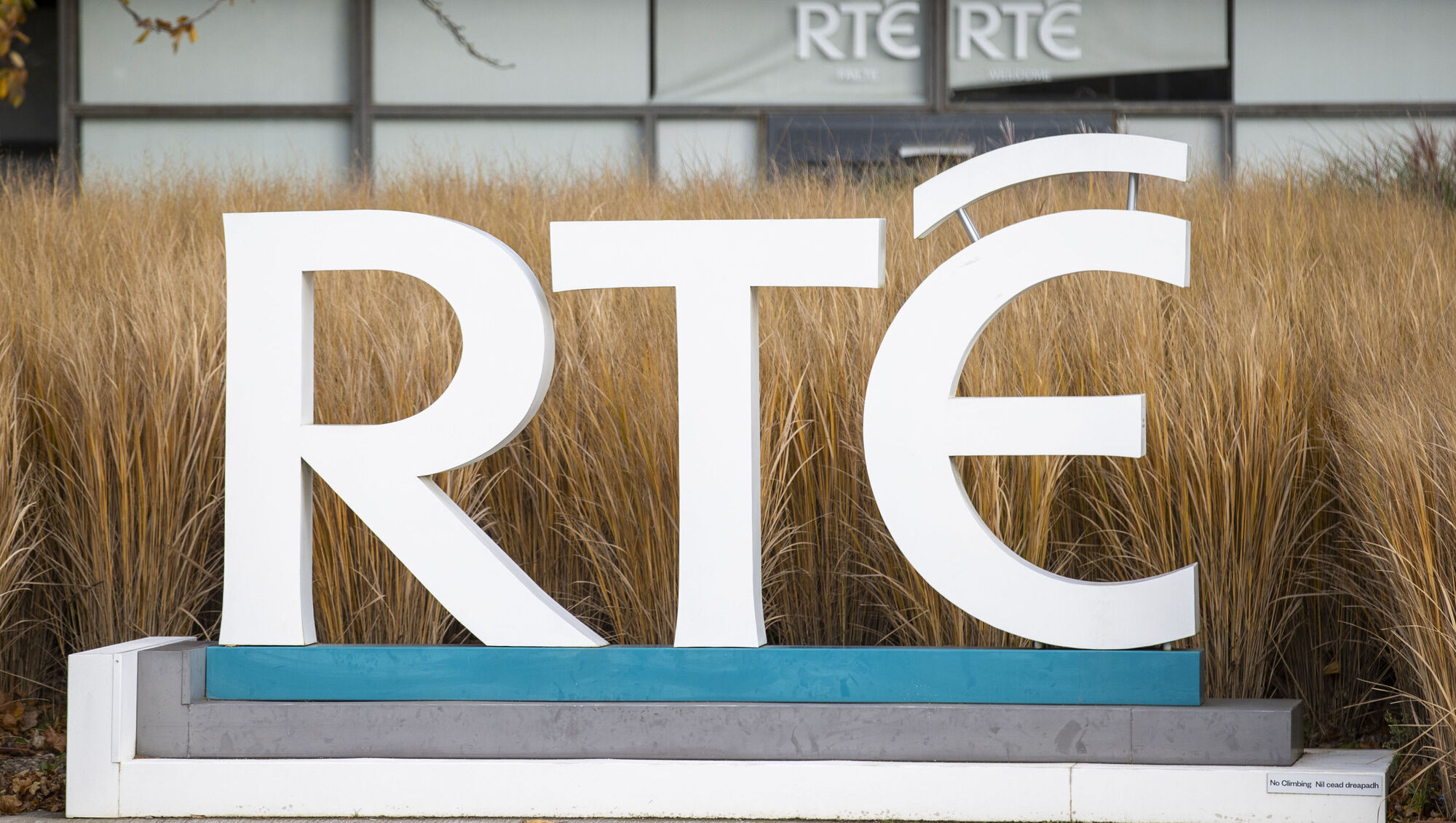
RTÉ has some way to go before it can compete effectively with streaming platforms such as Amazon Prime, Netflix, and Disney+
Irish Examiner view: TV licence figures offer cold comfort

From July to December last year, the months after the RTÉ controversy became public, 378,974 TV licences were bought, of which 345,303 were renewals. This compares to 502,495 in the same six-month period in 2022, of which 443,442 were renewals. Picture: Liam McBurney/PA

How many people do you know who say that they “never” watch TV? Relatively few, we would argue. Yet you might think there is a wholesale flight from the medium if you analyse the latest licence fee figures from the Department of Media.

This dataset has been eagerly awaited because it follows last summer’s protracted story about shadowy finances at the nation’s broadcaster including barter accounts, undeclared payments to top talent, freebies for commercial customers including the now legendary “flip flops” and generally opaque behaviour within senior management.

All of this gave plenty of excuses for customers to declare that they would withhold payments in protest over the shenanigans and the trust they felt had been betrayed by old favourites, with Ryan Tubridy catching most of the icy blast of public displeasure.

We don’t know what proportion of citizens followed through on their threat because they were offended but the facts show that the number of TV licences fell by 13% in 2023, a drop of 123,000 compared to the previous year, with a lost revenue of €19m. 

From July to December last year, the months after the RTÉ controversy became public, 378,974 TV licences were bought, of which 345,303 were renewals. This compares to 502,495 in the same six-month period in 2022, of which 443,442 were renewals.

This looks like people voting with their feet, but everyone should take a second to consider what the media landscape might look like in the next three years with Ireland’s broadcaster plunged into crisis and introspection by what were, it must be acknowledged, some woeful errors, and failures to read the room.

RTÉ’s dual-funding model, with 45% of income coming from advertising, is likely to be under extra pressure as broadcast TV faces its worst decline in ad revenue in 15 years, an inflection point which seems likely to continue.

Streaming companies such as Amazon Prime, Disney+ and Netflix are moving to ad-funded subscription packages. RTÉ has some way to go before it can compete effectively in the digital market. For now, and for the forseeable, it needs to enunciate a plan we can all buy into.

All aboard for free buses

The effectiveness of free public transport in making a major contribution to reducing emissions continues to nag away in public consciousness without a convincing argument for or against.

Sceptics, who include our own environment minister Eamon Ryan, believe that there is more downside than upside. A report commissioned last year from Ernst & Young acknowledged that while patronage would increase by 22% that uptake would be drawn largely from people who normally walk or cycle. Car trips would only account for 1% of the reduction.

Other arguments against the idea were that the economic advantages produced a favourable balance of €15.3m per annum, considered relatively trifling overall; loss of passenger data through ticket purchase was also seen as managing system disadvantage. Critics were also concerned that there might be increases in antisocial behaviour.

Which begs the question as to why an increasing number of European cities are being so foolish as to ignore these worries and introduce fare-free regimes?

The latest to take the risk is Montpellier, the medieval city in the south of France which has a population of 300,000 and a metropolitan area of just more than 800,000. For its residents, 2024 has brought intriguing new travel possibilities. They have been able to sign up for a free pass to an integrated bus and tram network in France’s fastest-growing city. The motivation behind this change is mainly, but not solely, environmental. The city council say they are introducing it “because mobility is a right”.

Obviously, an efficient bus alternative has to be punctual, clean, and safe, but there is empirical evidence that, once established, such services are popular. In a sponsored article in the Irish Examiner, passengers attracted to the new electric TFI Local Link between Dundalk and Shercock, in Co Cavan, spoke of the difference a reliable service made to their lives.

Given divided views about the merits of a Dart-style heavy urban commuter rail solution versus a Luas light rail in settings such as Cork — not to mention the punishingly long timescales for such projects — buses might provide our best possible hope of progress. 

Fuhgeddaboudit!

It was January 25 years ago on TV that an overweight gangster met a psychiatrist with a shrewd line in Pinteresque silences to talk to her about his panic attacks.

And thus was born what many people regard as the greatest-ever drama series, with a conversation between James Gandolfini’s Tony Soprano and Lorraine Bracco’s Dr Melfi.

“This wasn’t four pretty women in Manhattan,” Gandolfini said later of the show, which won 21 Emmys and five Golden Globes. 

“This was a bunch of fat guys from Jersey. It was an incredible leap of faith.”

Because nothing is sacred in the digital world, the anniversary of the most elegant example of the art of serialisation ever written is being marked by placing a 25-second summary of every episode on TikTok.

This might have seemed a bright notion at the ‘no-such-thing-as-a-bad-idea’ school of brainstorming, but it takes less than half a minute to summon up the correct response.

Fuhgeddaboudit!

x

More in this section

Revoiced

Newsletter

Sign up to the best reads of the week from irishexaminer.com selected just for you.

Cookie Policy Privacy Policy Brand Safety FAQ Help Contact Us Terms and Conditions

© Examiner Echo Group Limited