Irish Examiner view: Verdict on Wikipedia
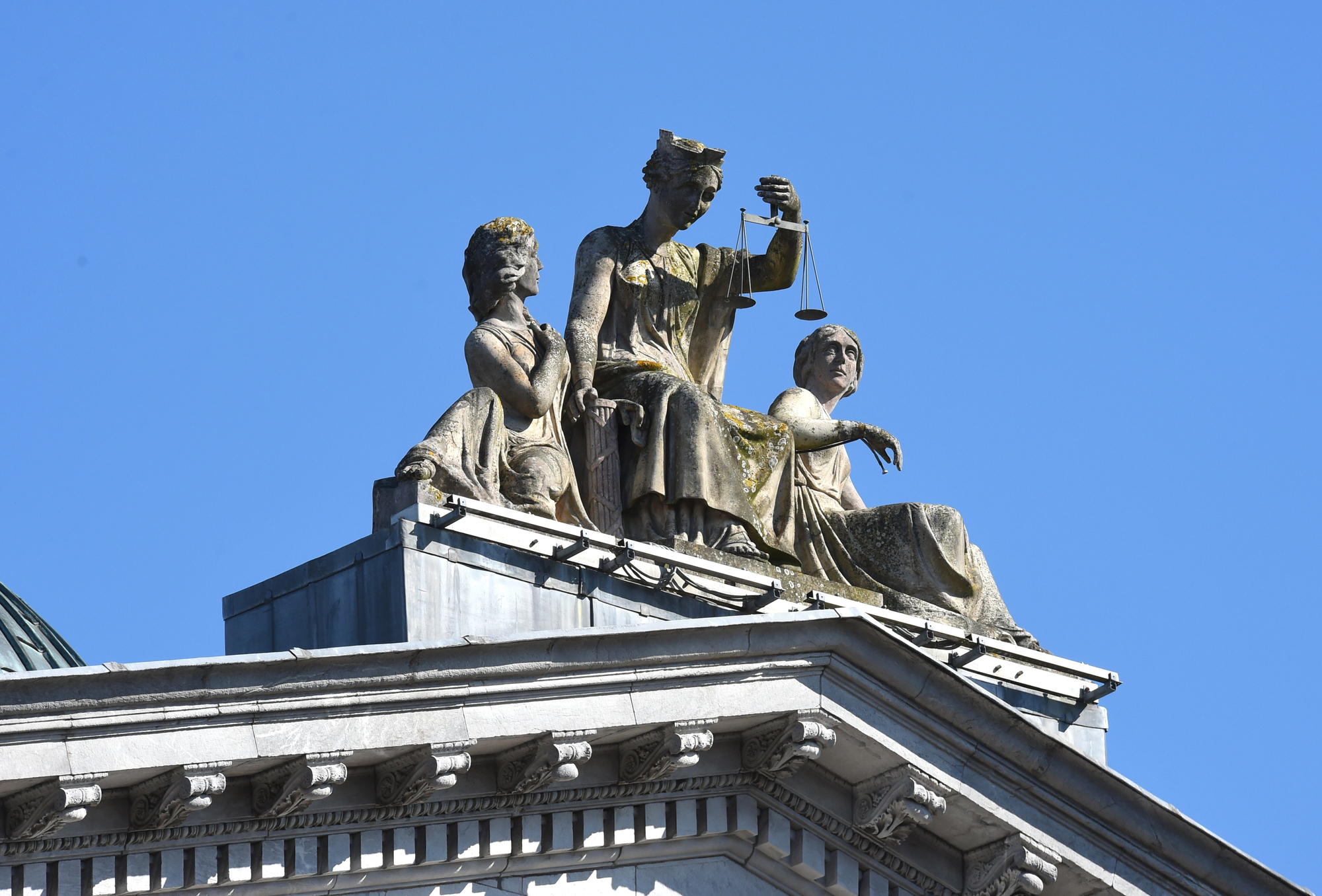
Researchers claim judges are 'tempted to use' Wikipedia
Research suggests that judges like to dabble in Wikipedia. Picture: Larry Cummins

Research suggests that judges like to dabble in Wikipedia. Picture: Larry Cummins

Judges, we like to think, immerse themselves in legal tomes, important matters of precedent, the fine print of the Constitution, the minutiae of new European legislation — all sources which might be brought to bear in reaching and justifying a judgement.

But it seems that they also like to dabble in Wikipedia. A claim originally made last summer by researchers at Maynooth University in Ireland, and at MIT and Cornell Law School in the US, has now been expanded to include “legal professionals” rather than solely judges and acknowledges the possibility that the impact of Wikipedia on judgments comes via lawyers’ submissions.

While this may dilute the primary thrust of the report, entitled 'User-generated content shapes judicial reasoning: Evidence from a randomised control trial on Wikipedia', its authors are doubling down on their original contention. Brian Flanagan of Maynooth says the latest paper still states that research supports the proposition that “judges and their clerks [are] tempted to use Wikipedia”.

'Judgments shaped by Wikipedia'

He adds that the “experimental evidence that High Court judgments are being shaped by Wikipedia, both in citations and prose, remains strong and robust”.

A future key question might be to ask whether ChatGPT can construct an effective opening argument or provide a demolishing cross-examination. And, if so, what the hourly rate might be?

More in this section

Revoiced

Newsletter

Had a busy week? Sign up for some of the best reads from the week gone by. Selected just for you.

Cookie Policy Privacy Policy Brand Safety FAQ Help Contact Us Terms and Conditions

© Examiner Echo Group Limited