Irish Examiner view: Qatar conflict with EU raises danger of arguments between allies
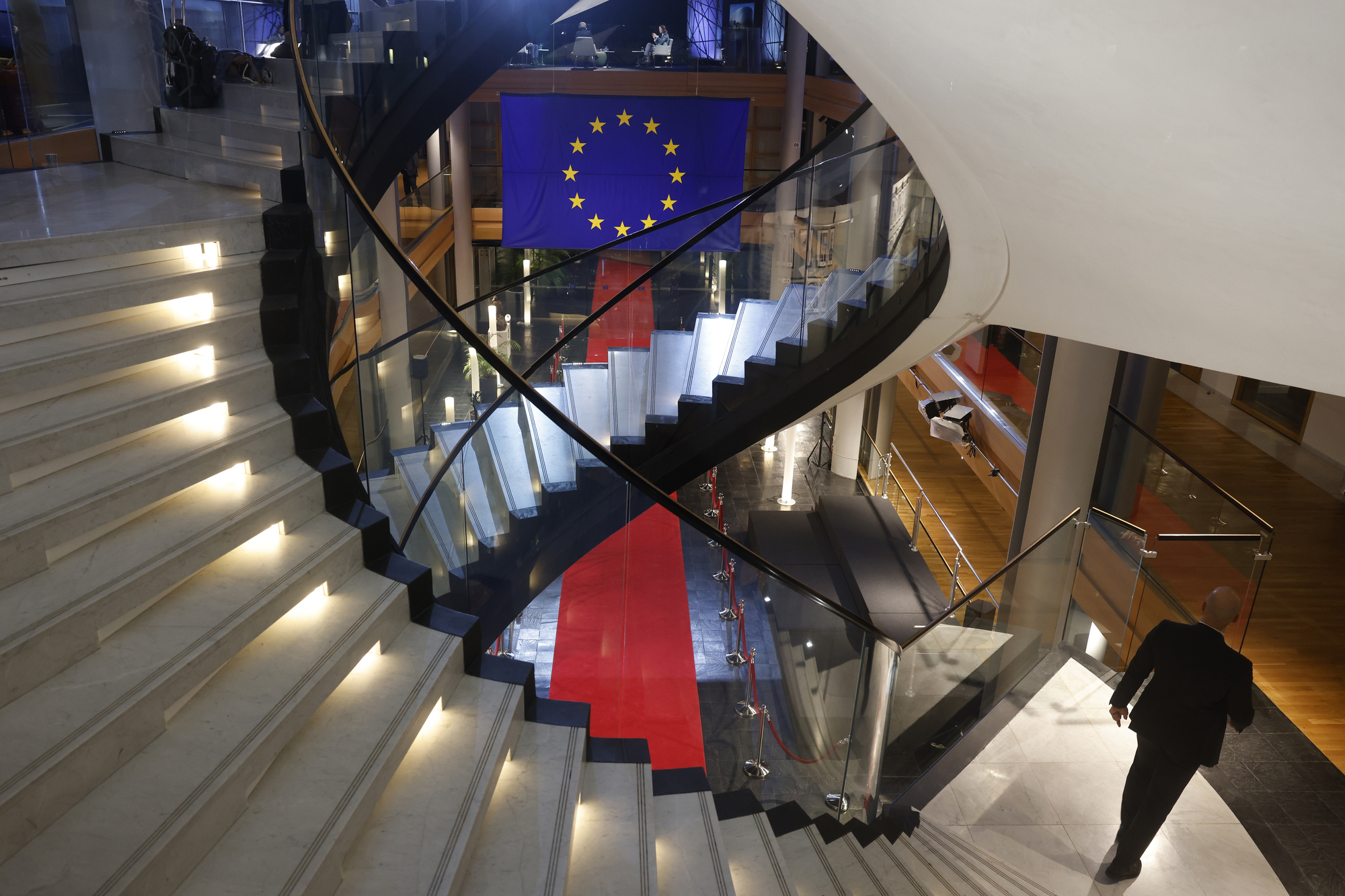
A sinister side to relationships between Qatar and Europe is emerging, with charges against four people, including a European Parliament vice-president. Picture: Jean-Francois Badias
On Thursday, the European Parliament banned Qatari representatives from its premises in Strasbourg and the Belgian capital and suspended all work on legislation involving the country.
Crucially, this decision affects a proposed aviation agreement which would give the oil state’s carrier improved access to European air space. Other plans to liberalise visa arrangements have also been put on hold.
Qatar warns that the restrictions may jeopardise discussions on energy co-operation and that future deals may be “negatively” impacted.
A Qatari diplomat is quoted as saying: “The decision to impose such a discriminatory restriction that limits dialogue and co-operation on Qatar before the legal process has ended will negatively affect regional and global security co-operation, as well as ongoing discussions around global energy poverty and security.”
This is a blunt threat from a country which has been courted by European countries to replace the supplies of liquefied natural gas which have been cut from Russian sources after Vladimir Putin’s illegal invasion of Ukraine. Doha wants any action suspended until criminal proceedings have been concluded and believes that it has been unfairly singled out for criticism because of its human rights record.
This is clearly not a moment where a fissure can be allowed to develop with one of the major remaining suppliers of an essential raw material which European countries need to keep industry turning and homes warm and it points to the potential for a split in EU unity.
Qatar has already hinted that not every member regards the matter as seriously as Belgium and can flag up differences in approach from two leading members of the club. While there have been clashes with Berlin over whether Qatar should have hosted the World Cup because of its treatment of foreign workers, the French president, Emmanuel Macron, has been more mellifluous in tone. Mr Macron has ignored criticism from activists and attended both the semi-final and yesterday’s final despite concerns over the rights of women and LGBTQ+ members of society.
With the war in Ukraine reaching its 300th day tomorrow, there is no sign of it ending and governments imply as much with a range of hints that energy subsidies will need to continue throughout 2023 particularly, but not exclusively, to help manufacturers and commerce to contain their costs.
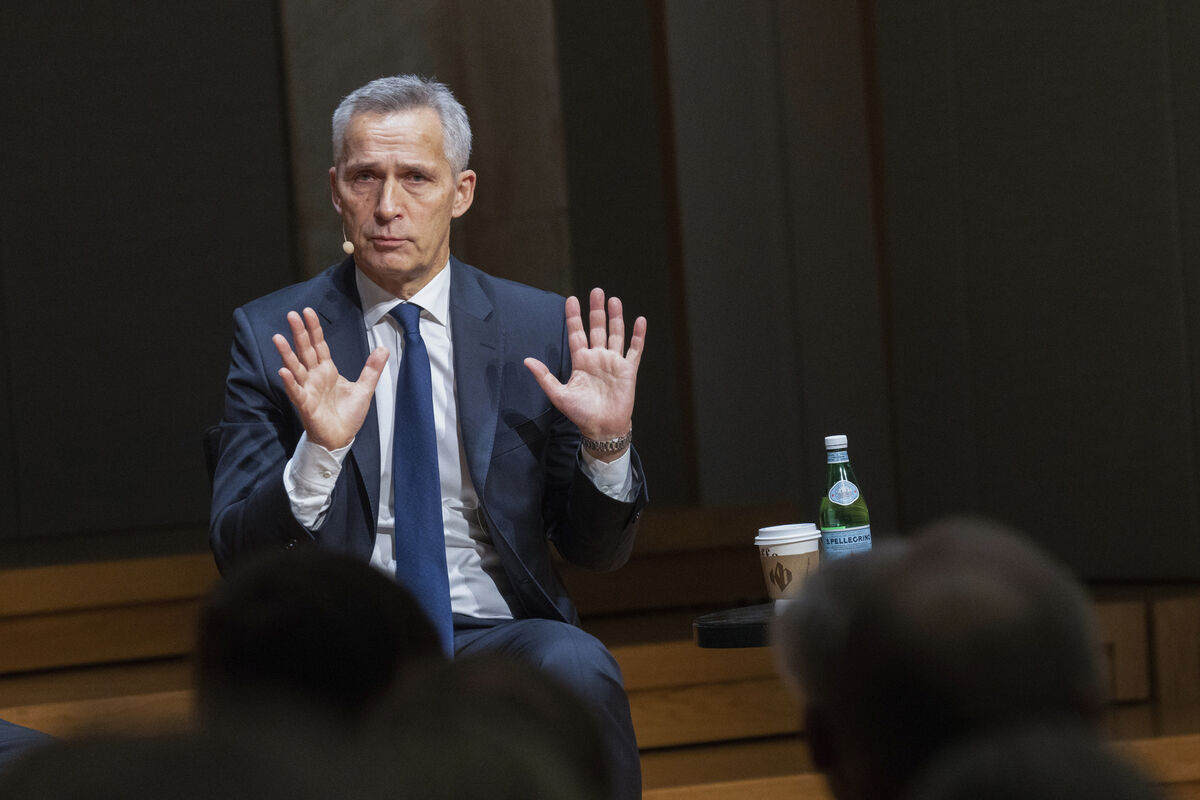
Just last week, Nato secretary general Jens Stoltenberg warned that there was a “real possibility” that the conflict could escalate into full-scale hostilities between the alliance and Russia, by far his strongest warning yet. He told Norwegian broadcaster NRK on Friday that he was confident such a scenario could be avoided but that “if things go wrong, they can go horribly wrong”.
He added that it was critical that Mr Putin is left in no doubt about Nato’s ability to defend its member states, while pointing to its increased presence in countries at the eastern edge of the alliance.
“He knows it’s one for all, and all for one,” he said. “Nato’s most important task is to prevent full-scale war in Europe and that is something we work on every single day.”
These are chilling words, and we cannot afford false steps and arguments between allies. What might seem to be a straightforward matter of an investigation into corruption must be judged in the wider context of global instability.
CONNECT WITH US TODAY



Be the first to know the latest news and updates