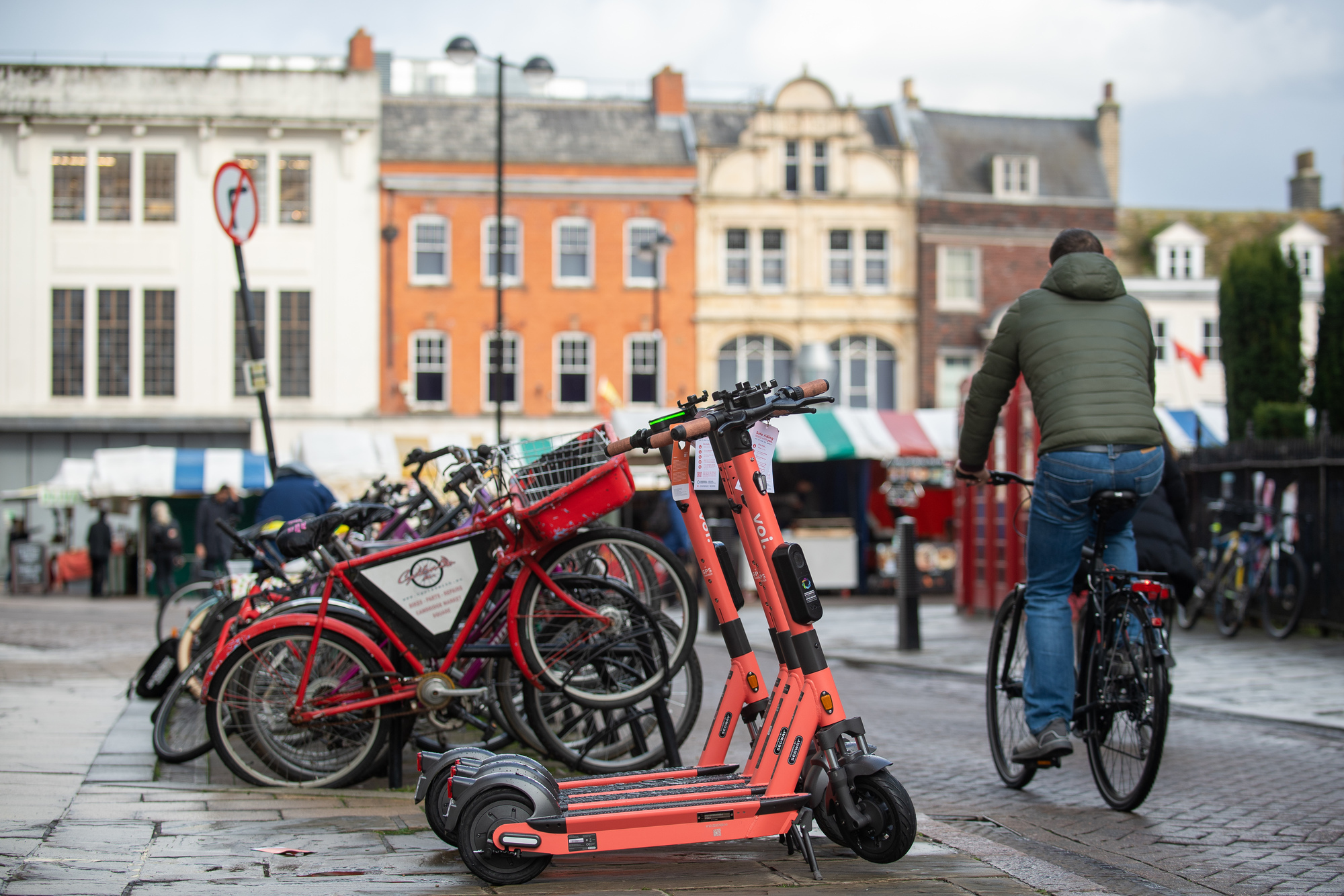
It was inevitable there would be an increase in popularity for the e-scooter as a mode of personal transport. It can be represented as a green alternative in an era where petrol costs are high, and there is a general antipathy towards the internal combustion engine both from town planners and eco campaigners. They are of particular appeal to the young, with machines retailing for less than €1,000 and some of them reaching a nifty speed of 25 kph. The starting age for ownership is 16. No test is required; no licence, and no insurance.
What could go wrong? Doctors think they know. E-scooter crashes cause catastrophic injuries, with one death and 24 serious collisions so far in 2022, with the dark winter months still ahead. Eoin Sheehan of the Midlands Regional Hospital in Tullamore said they “have a weapon-like impact on the human body, such is the force and impact involved”.
He added: “The lack of high-visibility clothing and helmets along with the speed of e-scooters is causing catastrophic injuries. Only this week, new research in the UK has shown that scooter accidents have tripled between 2020 and 2021.”
Canterbury became the latest English local authority to ban e-scooters — joining Staffordshire and Rochdale — after an 80-year-old woman was hit by a rider and suffered injuries. Department of transport figures show that in 2021 there were 1,280 collisions involving e-scooters across the UK. These incidents caused 1,359 casualties and nine deaths.
Irish citizens have some road to travel before they replicate the experiences of Europe and North America, but greater emphasis placed on safety equipment, higher visibility for both user and machine, and potential speed reductions seem possible before the e-scooter can be projected as the answer to our personal transport prayers.

Subscribe to access all of the Irish Examiner.
Try unlimited access from only €1.50 a week
Already a subscriber? Sign in
CONNECT WITH US TODAY
Be the first to know the latest news and updates