Irish Examiner view: Ireland waits for Labour majority in UK
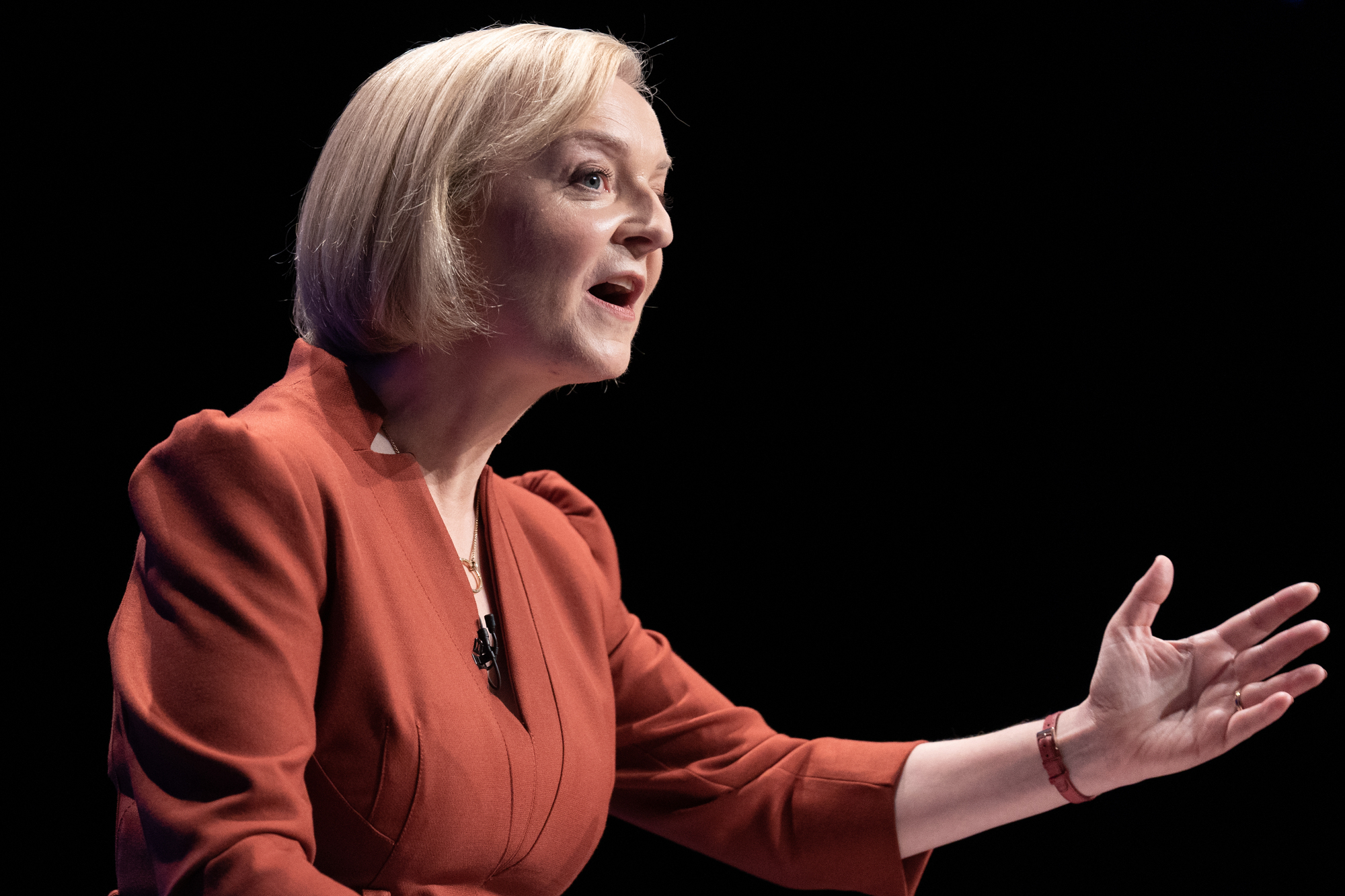
Prime minister Liz Truss delivers her keynote speech to the Conservative Party conference in Birmingham on Wednesday.
Even those addicted to the knockabout fun of politics may find the antics of Britain’s Tory party too wild for genuine enjoyment.
Since its latest leadership struggle was resolved in favour of Liz Truss becoming prime minister, the British economy has endured a crash in the value of sterling, a spike in mortgage rates, and a narrowly averted pensions meltdown. Truss has been resident in 10 Downing Street for one month.


Read

Listen

Watch

Play
CONNECT WITH US TODAY



Be the first to know the latest news and updates





Revoiced
Newsletter

Had a busy week? Sign up for some of the best reads from the week gone by. Selected just for you.

Lunchtime News
Newsletter
Get a lunch briefing straight to your inbox at noon daily. Also be the first to know with our occasional Breaking News emails.
Revoiced
Newsletter
Had a busy week? Sign up for some of the best reads from the week gone by. Selected just for you.



Most Read
Monday, October 26, 2026 - 9:00 PM
Monday, October 26, 2026 - 9:00 PM
Monday, October 26, 2026 - 4:00 PM