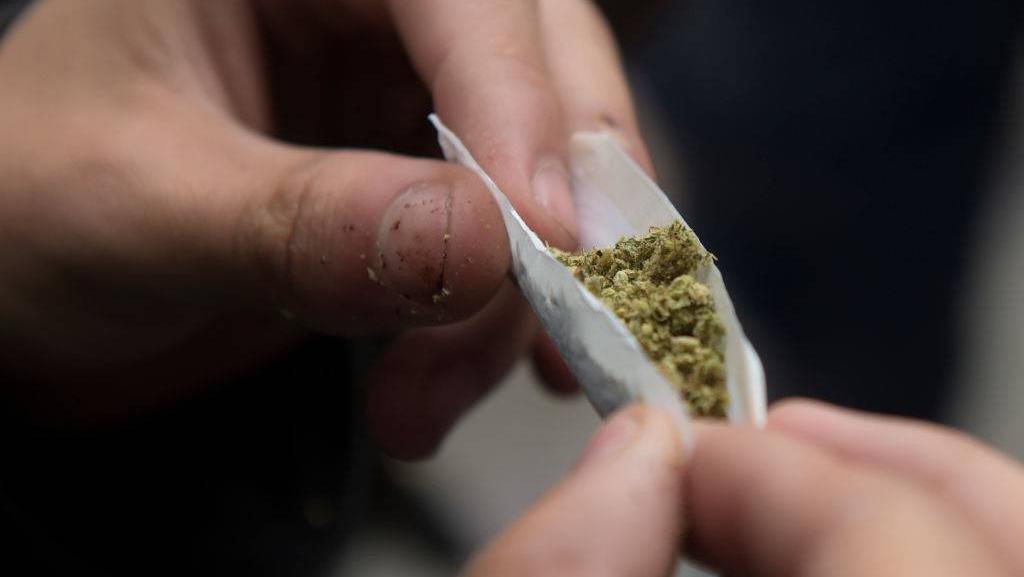
‘Bubatz’ is a slang German word for ‘weed’ and in the coming months it could become part of the lingua franca of the EU as Germany presses ahead with plans to become potentially the largest market for legally sold cannabis in the world.
Plans by Olaf Schultz’s coalition government to legalise ‘bubatz’ for recreational use are being closely watched everywhere, from the UN to governments across Europe, among fears the German move will hasten the controlled distribution of the drug among adults worldwide.
A series of five public hearings involving health experts, cannabis growers, and economists concluded in Germany last week and is expected to kick-start a race to clear regulatory and legal hurdles within two years. A draft bill on the matter is expected before the Bundestag this year.
If the Germans proceed as expected and join Canada and California in legalising cannabis for recreational use, it is forecast that the momentum to change a UN convention restricting the growth of the plant will gather pace. It is also expected that the move will pressurise other European governments, our own included, to change tack on cannabis policy.
Illegal cannabis use is a huge issue for many EU governments — not least France — and very close attention will be paid to what the Germans are doing, with a particular focus on the potential fiscal benefits for the economy there.
€4.7bn expected additional tax intake
With an estimated domestic demand of 400 tonnes of cannabis, it is predicted Germany will gain some €4.7bn a year in additional tax intake — and further cost savings from not having to prosecute those caught enjoying their bubatz.
Mr Schultz’s government says its motivation to introduce this legislation is to break up the massive illegal cannabis trade, gain control of the quality of cannabis on sale, prevent the circulation of contaminated substances, and protect minors — in other words, regulation of the market.
Noble as such aims are, Germany faces considerable difficulties and it is widely accepted that, unless it can completely drain the black market, the experiment will fail as the German model will not be emulated elsewhere.
However, with rapid change occurring across North America and Europe showing a willingness to follow suit, the German lead on this issue will be closely watched.
CONNECT WITH US TODAY
Be the first to know the latest news and updates