It’s been a better month for the morale of many people in rural Ireland. That’s about one third of the population, edging towards 2m people — and increasing.
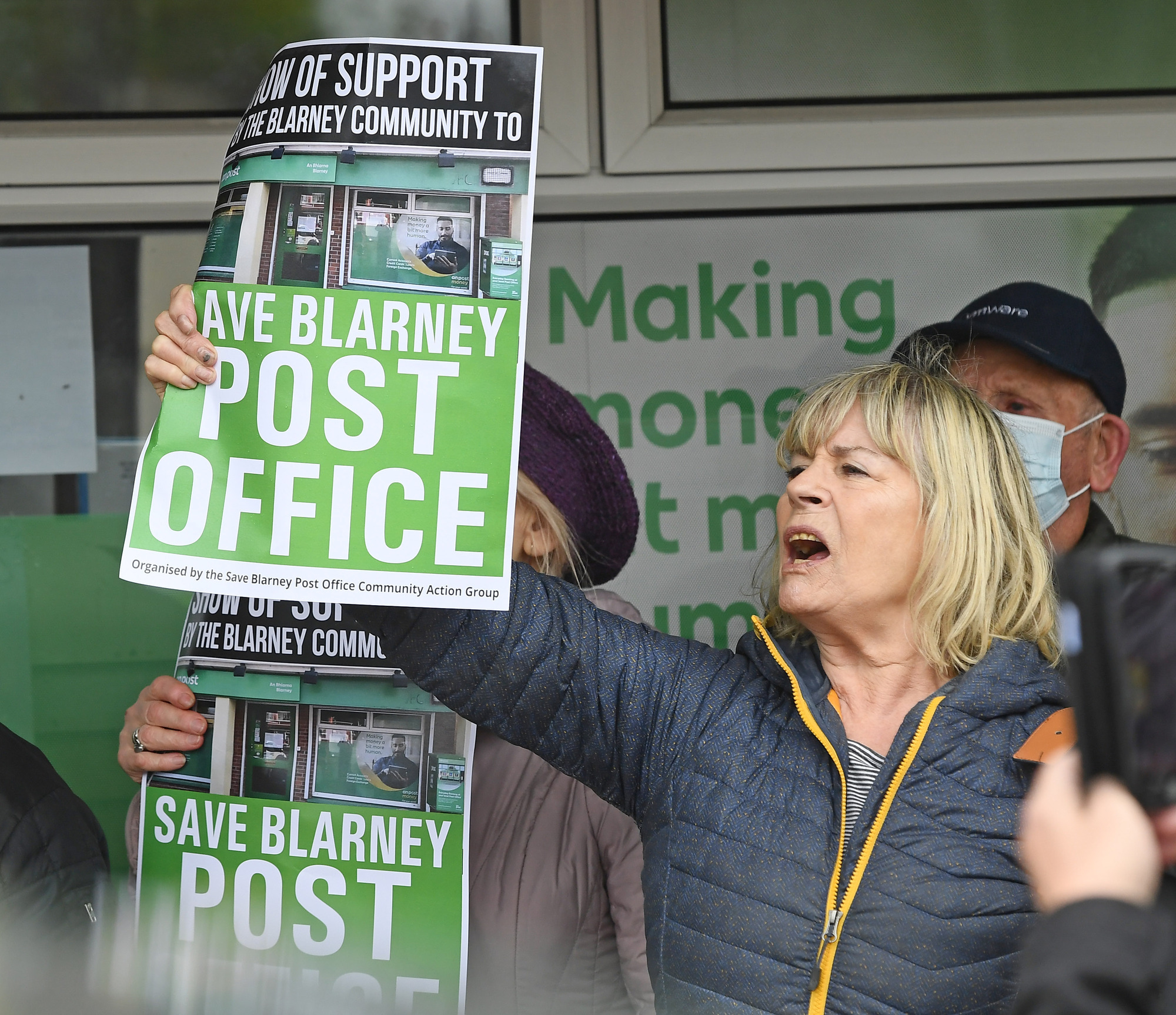
Firstly a partial retreat was forced on a haughty and ill-timed urban-led attempt to ban turf sales. Now there has been overdue recognition and help for hard-pressed post offices.
As we wrote in April, the challenges facing rural post offices are not confined to Ireland. Visit many communes in France and small villages in England and the refrain will be the same — ageing populations, sporadic public transport, the bank has closed its branch, the pub/inn/bar is under pressure.
Cabinet plan
Therefore, it is encouraging that the Cabinet has been considering a plan that could provide €12,000 as a public service obligation payment to help safeguard local provision.
Ireland has some 900 post offices, of which 97% are independently operated. The package would be expected to last for a number of years, perhaps as long as a decade, and would be on top of the fully funded An Post support package agreed last July, which is in place until December.
Step in right direction
Commitments in a 2018 national plan to provide services within 3km in urban areas and 15km in rural areas as well as plans to support Bank of Ireland branch services could only be delivered with Government support, says the Irish Postmasters’ Union.
This would be a very welcome step in the right direction, although a 30km round trip to visit a post office appears daunting unless there are significant improvements in the bus network serving villages and hamlets.
Legislation
In Britain, the Financial Conduct Authority is moving to ensure that consumers will not have to travel unreasonable distances to withdraw cash under new laws that will force banks to keep cashpoints open.
The legislation is designed to ensure that people, predominantly but not exclusively over the age of 65, who still rely on cash as part of their daily lives, are not left behind in the rush to “digital by default” policies adopted by many companies and organisations. Cash remains a vital lifeline for everyday essentials and because people find it useful to keep track of spending amid the soaring cost of living.
The charity Age UK said the new powers to protect access to cash couldn’t come quickly enough.
“For many older people, cash makes day-to-day transactions easier and more accessible and widespread availability is essential, especially for those who are not online. It can help many older people to pay back a carer or friend who shops for them and acts as an essential back-up for all those who live in rural areas with poor connectivity,” said a spokesman.
In Britain, a benchmark has been set that at least 90% of the population should not have to travel more than 1km to withdraw cash. That sounds something of a stretch but Ireland requires similar ambitions to move the debate forward.
CONNECT WITH US TODAY
Be the first to know the latest news and updates