Irish Examiner view: Queen's 70-year rule shows constancy in decades of change
Whatever we feel about the monarchy, our neighbours or the class system, impressive record of public service has to be recognised
Irish Examiner view: Queen's 70-year rule shows constancy in decades of change

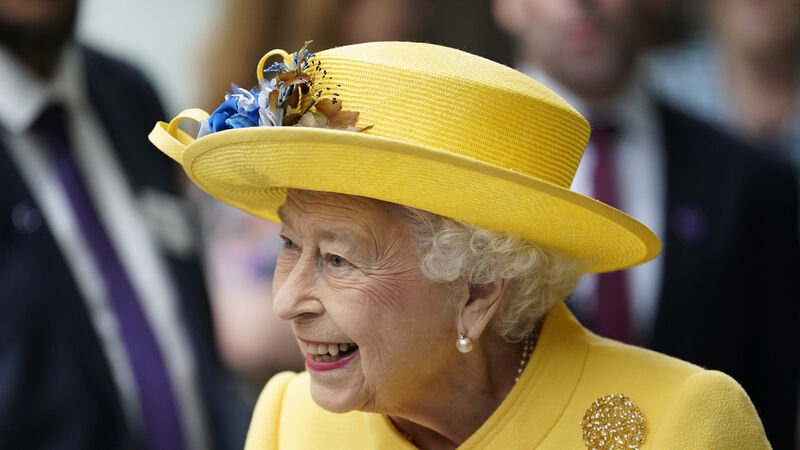
Queen Elizabeth.


There have been 14 different taoisigh, 14 US presidents, 14 British prime ministers, 12 French presidents, 11 leaders of Soviet Russia and Russia, five paramount leaders of China, 17 Indian prime ministers, and seven popes since 1952.

And one Queen Elizabeth II, who acceded to the British throne following the death of her father, George VI. She had been heir presumptive following the abdication of her uncle, Edward VIII, so he could marry a US divorcee in 1936.

Whatever your feelings about royalty, monarchy, privilege, our neighbours, of the class system, this is an impressive record of public service which has spanned 70 years. From the era of Hitler to the invention of the atomic bomb, through Africa’s Wind of Change to the Swinging Sixties; the Troubles; joining (and leaving) Europe; the fall of Soviet communism and the rise of Putin; wars in the Balkans and now, dreadfully, in Ukraine; from Churchill to Johnson via Thatcher; the tragedy of Diana and the scandal of Andrew. From the age of the telegram to the digital revolution.

No one in a position of power and influence has seen so much. She is the longest-lived and longest-reigning British monarch and the oldest and longest-serving incumbent head of state. Herplatinum jubilee, 30 years after what she memorably described as her annus horribilis because of the large number of family crises, reaches its crescendo this week in Britain and its commonwealth.

Queen Elizabeth meeting fishmonger Pat O'Connell at The English Market in Cork City on her State visit to Ireland in 2011. Picture: Maxwells/PA

We will remember her not only for her consistent presence on the world stage but also as the first British queen to visit the Republic when, in 2011, she made a widely welcomed speech on the relationship between the two countries and visited symbolic sites of importance for Irish nationalism. 

Sadly, the warm feelings engendered by that visit have been dissipated by her successive governments’ mishandling of the Brexit negotiations and the Northern Ireland Protocol which now jeopardises the harmony between our countries.

At the age of 96, and no longer supported by her “strength and her stay” Philip, whose funeral she attended masked and alone in line with Covid-19 regulations in 2021, it is unlikely we will see her again on these shores. But in this week we should acknowledge the impact her reign has brought.

As queen, she is acknowledged for being able to cut through the noise to raise pertinent questions. When ministers and economists met her to explain the consequences of the 2007/2008 financial crisis, the event which, like the opening of Pandora’s Box, released many evils among us, she stared at them and asked: “Why did no one see this coming?” It is a question all her subjects, and others, wanted answered.

Britain has presided over atrocities under her reign, too. It is unclear, though it may come out in time, to what extent she questioned, in private, the actions of some of her former prime ministers.

The end of her reign will be a fin de siècle and a crossroads for that unusual form of modern government, a constitutional monarchy. For now, it is the achievements of Elizabeth II, in holding her country together during a very demanding seven decades, which should be noted, and applauded by those who are of a mind to do so.

More in this section

Revoiced

Newsletter

Sign up to the best reads of the week from irishexaminer.com selected just for you.

Cookie Policy Privacy Policy Brand Safety FAQ Help Contact Us Terms and Conditions

© Examiner Echo Group Limited