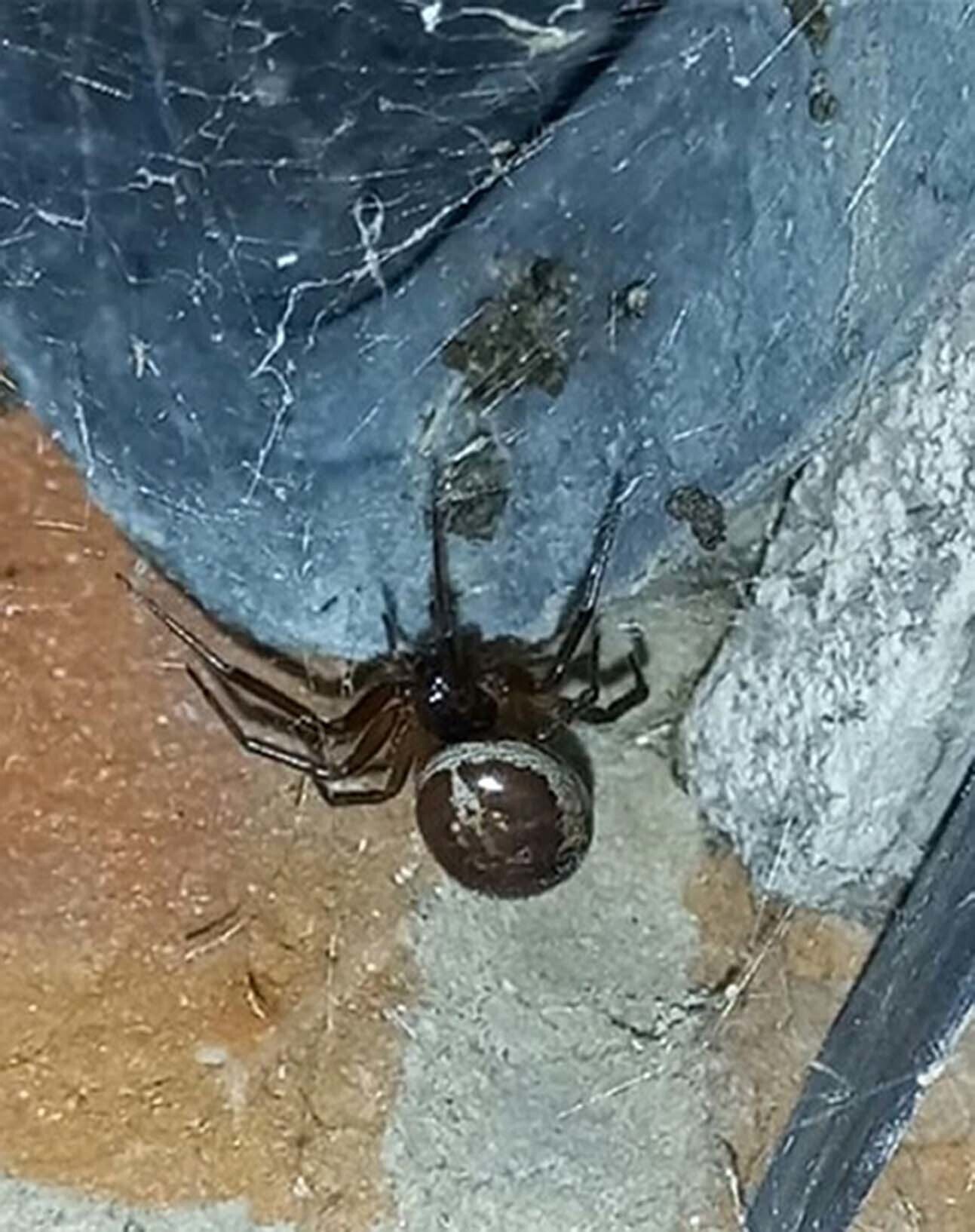
Just when you thought that there’s enough depressing news in the world, research emerges from Galway which shows a noble false widow spider feeding on a bat in the UK, the first such example of them preying on mammals. That’s us.
While this is, no doubt, hugely exciting for arachnologists, and a feather in the caps of John Dunbar and Michel Dugon of the venom systems lab in the Ryan Institute at NUI Galway, for the section of the population who are arachnophobic (that can be up to 15%) perhaps the thrills and sense of joy are less intense.
Mr Dugon praises the ability of the noble false widow to adapt to new environments and make the most of the resources available. We recall that the same sort of claims were made for the bug army in Starship Troopers.
More seriously, the NUI work measures the impact of invasive species. In the case of this spider, its venom contains a powerful neurotoxin that enables it to take down vertebrates. This makes them significantly more competitive than species that are native to Ireland.
With global warming, we will become more familiar with insects that might once have been considered exotic and tropical. And not just insects. King crabs — bright red with spindly legs and much valued sweet flesh — have arrived off the east coast of Britain, sparking fears that local brown crab and scallop populations could be decimated by the more powerful invader.
With the examples of grey squirrels and Japanese knotweed in mind, we will curb our enthusiasm, for the moment, for the noble false widow.

Subscribe to access all of the Irish Examiner.
Try unlimited access from only €1.50 a week
Already a subscriber? Sign in
CONNECT WITH US TODAY
Be the first to know the latest news and updates