Irish Examiner view: Ukraine crisis blows a cold east wind
Talk of 'unpredictable and grave consequences' for Europe
Irish Examiner view: Ukraine crisis blows a cold east wind

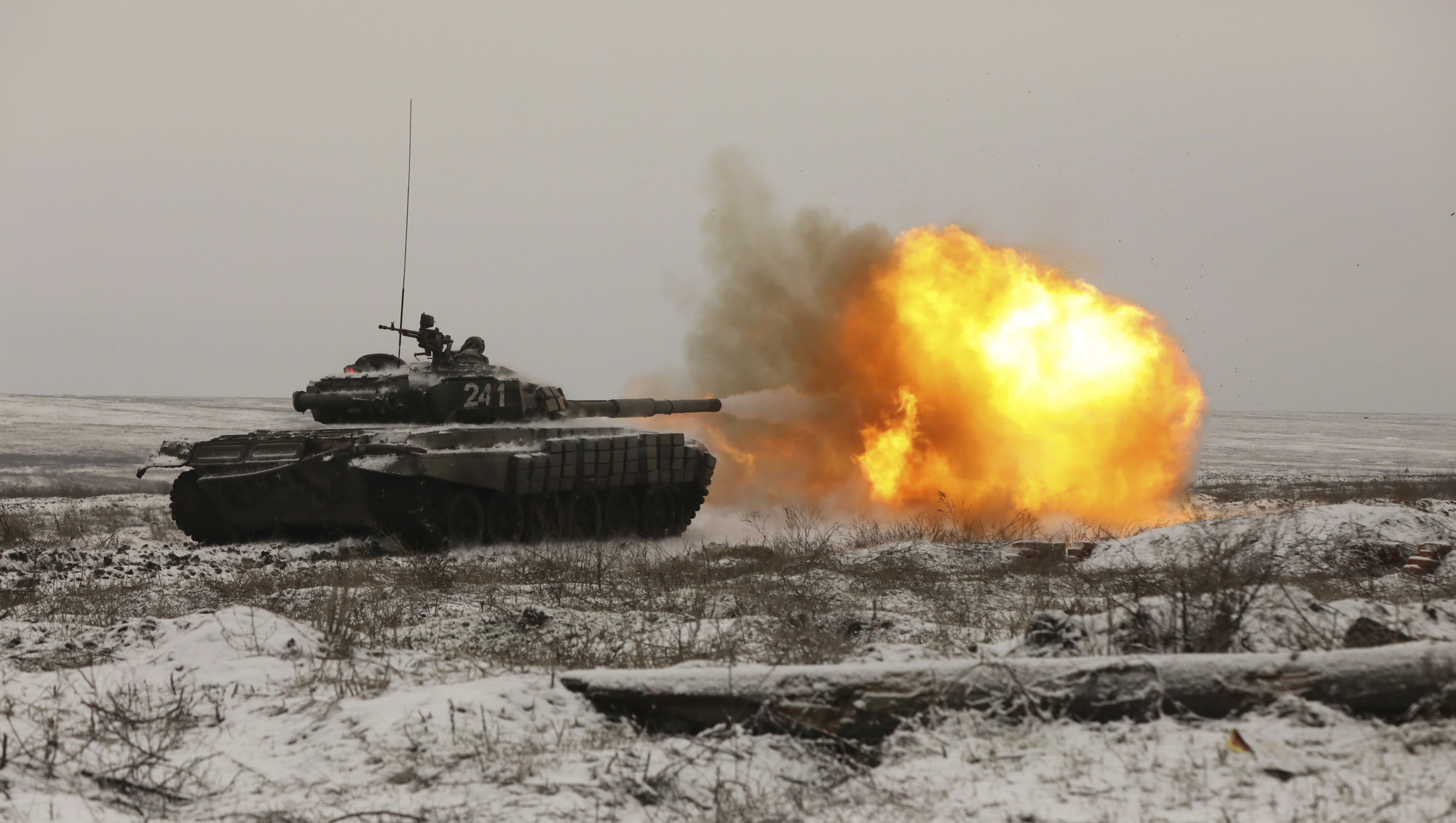
Russian troops take part in drills at the Kadamovskiy firing range in the Rostov region in southern Russia last week. Russia has rejected Western complaints about its troop buildup near Ukrainey. Picture: AP Photo
At the end of His Last Bow, the final appearance of Arthur Conan Doyle’s fictional detective Sherlock Holmes, he warns Dr Watson that there’s “an east wind coming” and that it will be “cold and bitter”. 

This story was published in the fourth year of the First World War, although the action is set ahead of that terrible conflict and forms part of a spy thriller plot. The adversary on that occasion is Germany.

That country is now an ally and if there is an east wind to blow in 2022 it will come from the direction of Russia, which has 100,000 troops massed on the borders of Ukraine. 

Its leaders are talking darkly of “unpredictable and grave consequences” for Europe. 

Talks which have taken place in Geneva, Brussels, and Vienna do not seem to be making progress.

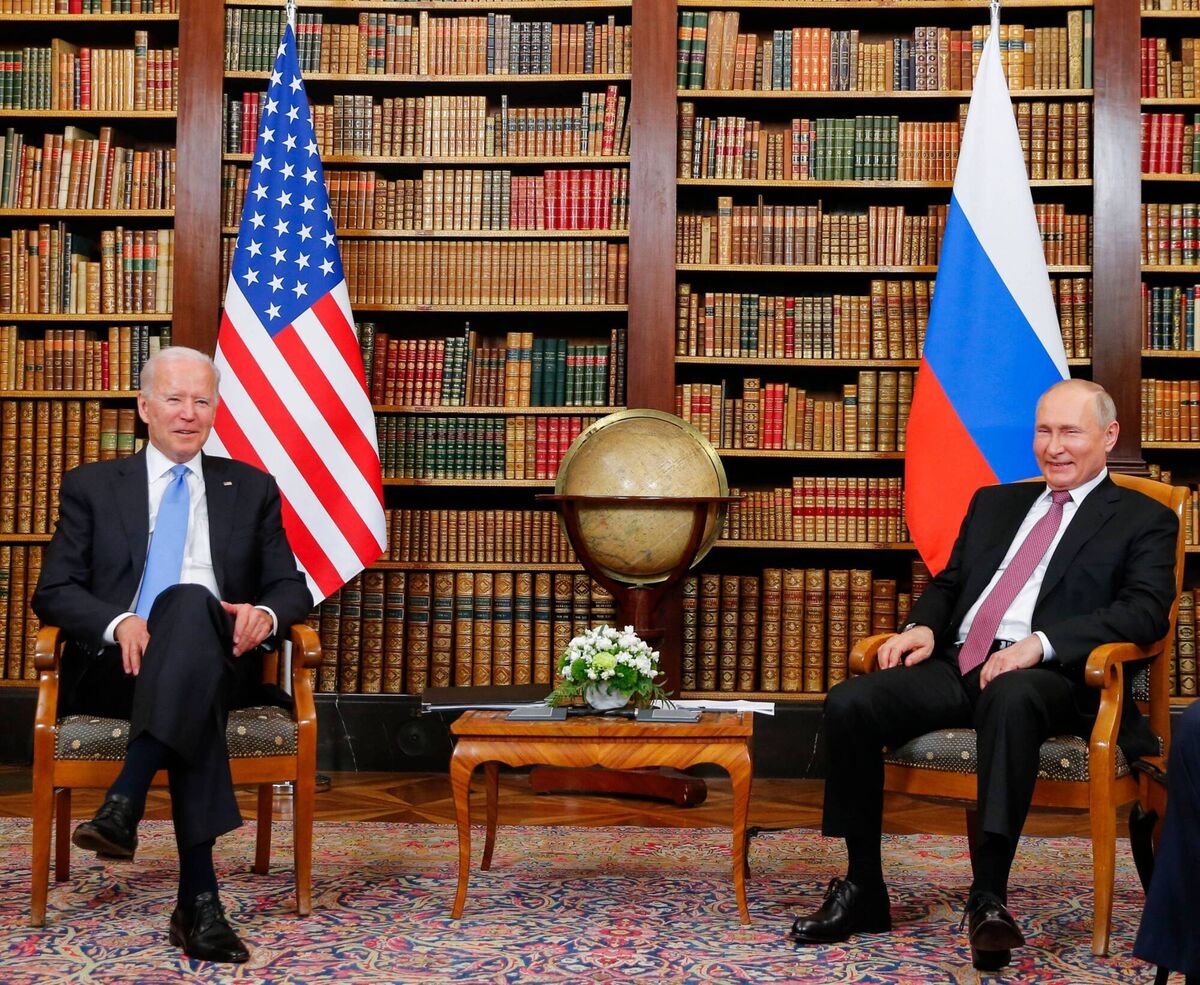
Joe Biden met Valdimir Putin in Geneva last year but relations between the two nations have worsened. Picture: Denis Balibouse /AFP via Getty Images

Relationships with Moscow have worsened during the period of the Joe Biden presidency. An early summer summit in Geneva produced no significant outcomes and it was during November that anxieties about a Soviet invasion gathered momentum. 

While the White House warns of “crippling” economic sanctions the truth is that Russia is probably in its strongest position to resist such pressures for nearly half a century. 

More than 40% of EU gas comes from Gazprom, whose headquarters is in Putin’s home city of St Petersburg.

Perversely, previous Western sanctions, imposed in 2014 when the Crimea was seized, have helped Russia to strengthen its financial defences. 

It is currently estimated to hold more than €540bn in foreign currency reserves. Government debt is around 20% of gross domestic product, figures that Nato’s democracies can only dream about.

While Nato has stated that it will not take military action in the event of troops and tanks rolling over Ukraine’s borders it has supported a significant modernisation and rearmament programme for Kiev’s forces.

German chancellor Olaf Scholz is due to meet his Kremlin opposite number and declares that he wants to “reset” relationships. 

Meanwhile, the Ukrainians are refurbishing their Cold War bomb shelters. At this juncture it is difficult to see any good outcome.

x

More in this section

Revoiced

Newsletter

Sign up to the best reads of the week from irishexaminer.com selected just for you.

Cookie Policy Privacy Policy Brand Safety FAQ Help Contact Us Terms and Conditions

© Examiner Echo Group Limited