Irish Examiner view: Nuclear and gas plan may be harmful
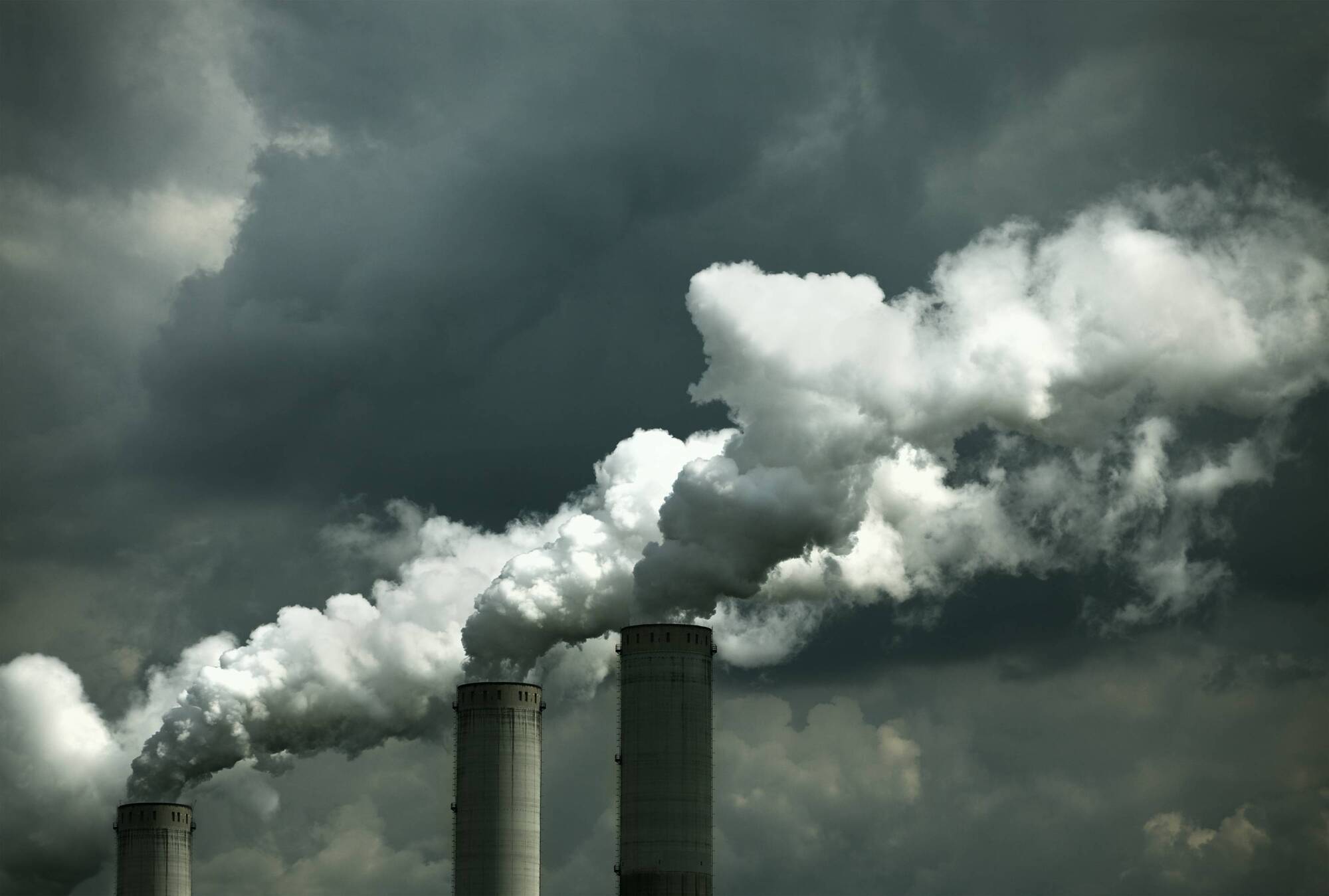
While nuclear power does not produce greenhouse gas emissions, it can lead to serious accidents.
The European Commission may be correct in its assessment that we need to continue to use nuclear power and natural gas as major energy sources for the foreseeable future, but justifying that decision by classifying both as ‘green’ technology defies both science and commonsense.
In a statement released last Saturday, the commission said it had begun consulting with EU members on a text that would be sent to the European Parliament and European Council for scrutiny. The document is part of the EU Taxonomy, a rule book designed to channel investment towards activities meant to help achieve net-zero greenhouse gas emissions over the next three decades.
Spain has become one of the first EU states to reject the proposal to classify nuclear energy and natural gas-powered plants as green technology.
“It makes no sense and it sends the wrong signals for the energy transition of the whole of the EU,” said Teresa Ribera, the country’s ecology minister.
Instead, according to the Spanish news outlet , it wants nuclear energy and natural gas plants put in “a yellow, intermediate category due to their role in the transition to zero-carbon energy, but without being considered green”.
That seems logical and sensible. While nuclear power does not produce greenhouse gas emissions, it can lead to serious accidents such as the Fukushima nuclear disaster in Japan in 2011, the 1986 Chernobyl accident in Belarus, and the Three Mile Island accident in the US in 1979.
Natural gas plants have much lower carbon dioxide emissions than coal plants, but they still run on a fossil fuel.
In Ireland, huge strides have been made in the use of renewables for energy generation, but gas remains dominant.
According to data from the Sustainable Energy Authority of Ireland, natural gas is the largest source of electricity generated here, accounting for 52% of all electricity generated in 2020.
The amount of electricity generated from renewables grew from just 6% in 2005 to 42% in 2020. Wind was 37% of all electricity generated in 2020, second only to natural gas and five times as much as coal, peat, and oil combined.
However, those figures disguise the fact that the carbon intensity of Irish electricity production remains one of the highest in the EU, despite all of the progress in using renewable energy. That is because coal and peat continue to fuel electricity generation in Ireland.
In 2020, coal and peat accounted for 21% of carbon emissions from electricity generation, despite only accounting for 5% of the generation.
That means it makes sense to eliminate those sources as quickly as possible and to retain the use of natural gas production during the transition to renewable technology.
However, the danger is that the European Commission’s classification of gas and nuclear power as “green” could actually harm that progress by discouraging some EU states from continuing to invest in zero-carbon generation.

CLIMATE & SUSTAINABILITY HUB
CONNECT WITH US TODAY



Be the first to know the latest news and updates